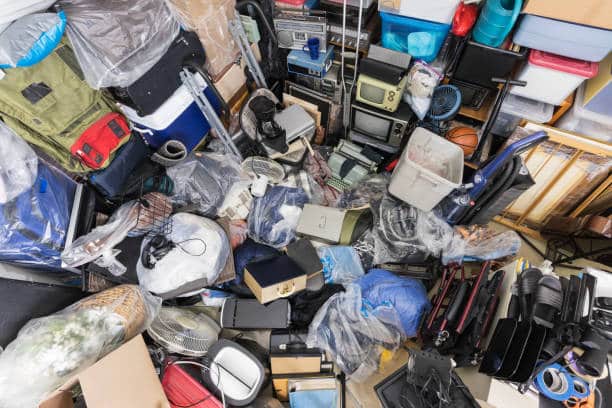
While a lot of people may hold on to a few items they don’t need, about 2.5 percent of Americans have a hoarding disorder. This means that they stock their homes with so many things that they can become uninhabitable and the conditions may affect their health. According to a recent study, people with a hoarding disorder may have higher rates of unemployment, have trouble maintaining relationships, and are more likely to depend on a partner for financial support.
Hoarding can start small and those who are dealing with it may try to hide it in the beginning. That can mean that they start collecting items in places that get little traffic so they can keep others from seeing the clutter.
Even before the hoarding becomes obvious, people with the disorder may be unusually possessive of their things. They may become irrationally angry if anyone touches them.
Once the clutter becomes harder to hide, they may do their best to keep people from entering their home. If the clutter has started to affect the outside of the house, they won’t want anyone to see that, either.
Those with a hoarding disorder sometimes shop impulsively. The result is that they run up credit cards and use emergency funds to buy items they think they’ll need.
As the clutter grows, it can affect how well they can find items in the home. Sometimes, they may have an idea of where things are but they can’t get to them easily.
Some people with a hoarding disorder can have trouble with their memory and organization. One of the areas this affects is how well they can keep up with bills – especially if they’re not paid monthly.
They might mention that a pipe is leaking, the toilet is running, or the roof is leaking. However, there’s no effort to have it fixed because they’re afraid the repair will bring attention to their clutter.
If something is ruined and needs to be discarded, they show signs of anger or distress. This reaction will often seem irrational or like they’re overreacting.
People who are dealing with a hoarding disorder may not understand why others want them to get rid of their things and want to avoid talking about them. As such, they may withdraw from friends and family.
While some people collect items because they think they’ll be useful in the future, others keep things that remind them of others. They’re afraid that if they don’t have these items, they’ll forget about their loved ones entirely.
Researchers aren’t sure what causes a hoarding disorder. However, there are certain mental changes that they pinpointed, which are typically associated with the disorder. These changes can include impaired planning and problem-solving, trouble maintaining focus, poor organization, trouble learning new things or retaining new information, and issues visualizing objects in a given space.
People who go through traumatic events like accidents, the loss of a loved one, natural disasters, and divorce sometimes develop a hoarding disorder. Additionally, having a family member with a hoarding disorder increases the risk.
Sometimes, people with a hoarding disorder have other conditions. The presence of these conditions can make it difficult to diagnose a hoarding disorder but it’s not impossible. Knowing the different disorders that may be present can go a long way in deciphering the symptoms.
A few of the conditions that can exist with a hoarding disorder include obsessive-compulsive personality disorder (OCPD), obsessive-compulsive disorder (OCD), attention-deficit/hyperactivity disorder (ADHD), depression, and substance abuse disorder. People with Prader-Willi syndrome are also at a higher risk for developing a hoarding disorder as well.
The first step to getting treatment is being diagnosed with the disorder by a therapist. The assessment will involve discussing symptoms and you’ll need to meet one of the following criteria: having an ongoing difficulty getting rid of possessions whether or not they have value, feeling the need to save items and being distressed when you have to discard them, and having living spaces that are unsafe to live in because of how many items are stored there.
After diagnosis, doctors can use a combination of antidepressants and cognitive behavioral therapy (CBT).
While a relatively small number of Americans deal with a hoarding disorder, the impact on their lives is significant. The longer it continues, the harder it can be to start treatment. As such, it’s important to identify the disorder as soon as possible.


By subscribing, you consent to receive emails from BlackDoctor.com. You may unsubscribe at any time. Privacy Policy & Terms of Service.