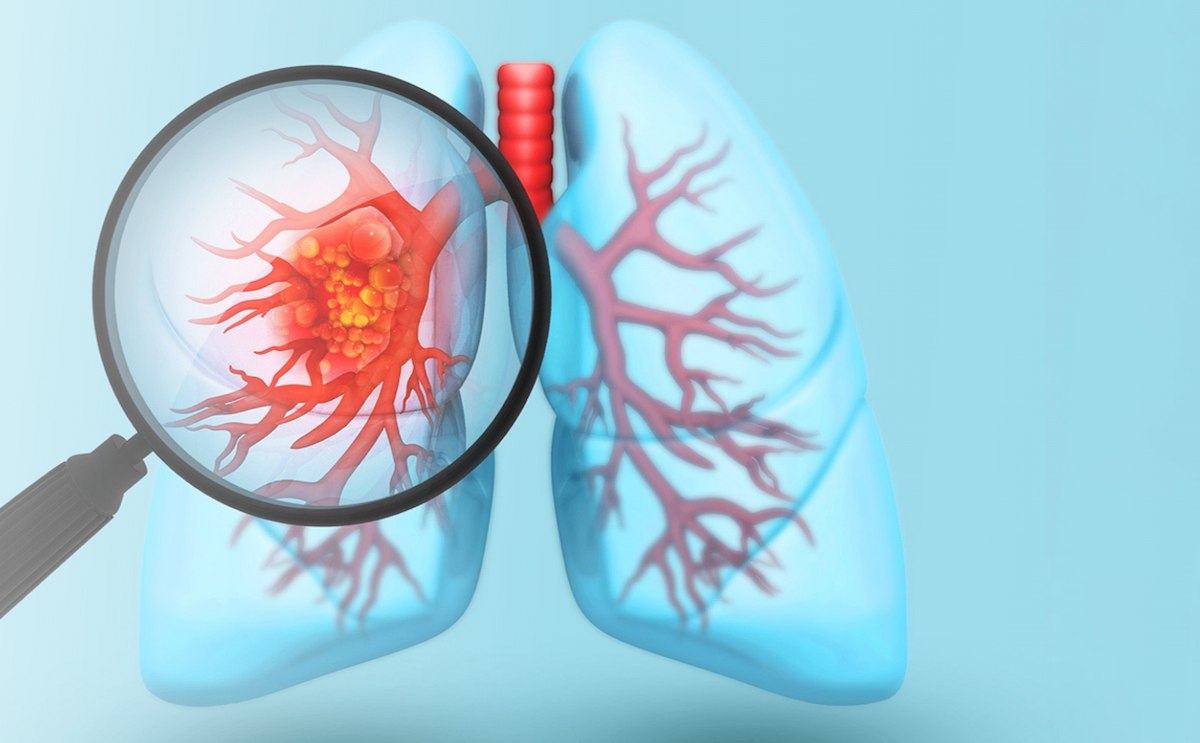
Once you’ve been diagnosed with lung cancer, the next essential step is to determine the stage of your disease. Staging is critical because it’s how your doctor determines the way forward with treatment. It’s also not something that happens once. If your doctor suspects you’re not responding to the current treatment regimen, they may request that you go through the process again.
The stage of your lung cancer is generally based on the size and location of the primary tumor, if the tumor has spread to the nearby lymph nodes, and if the tumor has spread to other organs.
To get this information, your doctor may recommend having a biopsy done as well as imaging tests like computed tomography (CT) scans, positron emission tomography (PET) scans, or magnetic resonance imaging (MRI) of the brain.
Depending on the type of lung cancer you have, the doctor will use different terms to describe what you’re dealing with. In small cell lung cancer, the abnormal cells originate in the lung tissue and this is typically staged using the numbers 0-4.
Non-small cell lung cancer, on the other hand, means that abnormal cells cause the growth of carcinomas, which are cancers of the cells lining the surface of the airways – the bronchi, bronchioles, and alveoli.
In this case, your doctor might use the letters TNM along with the numbers. ‘T’ stands for the size and location of the tumor, ‘N’ indicates if the cancerous cells are affecting any lymph nodes, and ‘M’ defines whether or not the tumors have spread.
RELATED: Understanding the Different Types of Lung Cancer
At stage zero, the tumor is small and there are no signs that the cancerous cells have spread into the lung’s tissues or to other areas of the body. If the abnormal cells have spread deeper into the lung’s tissues, then this is categorized as stage one.
With stage two lung cancer, there are signs that the cancerous cells have spread to the lymph nodes that are near your lungs.
By stage three, the cancerous cells would have spread farther into the lymph nodes as well as to the middle of your chest.
Finally, stage four lung cancer means that the tumors have spread to other organs in the body such as the liver, bones, or brain.
RELATED: Is Targeted Therapy Right For You?
Given that stage zero means that the tumor is small and hasn’t spread, most doctors opt to treat this with surgery. In this way, the tumor can be easily removed without exposing you to harmful medications.
To be safe, however, your doctor will monitor you to ensure that the entire tumor was removed. If you have stage one lung cancer, your doctor may recommend a combination of surgery and radiation therapy. The radiation can shrink your tumor and kill the cancerous cells.
At stage two, it’s common for doctors to treat your lung cancer with surgery, followed by chemotherapy and targeted therapies or immune therapies. This will remove the tumor and kill the abnormal cells.
Treating stage three lung cancer can include a combination of chemotherapy, surgery, radiation, targeted therapies, and immune therapies. The exact medications and timeline will depend on the exact nature of your cancer.
Finally, the treatment for stage four lung cancer can vary according to where the tumors have spread. It’s unlikely for your doctor to recommend surgery as it won’t be a successful treatment at this stage. Instead, they might opt for chemotherapy, targeted or immune therapies, or different combinations.
It’s never easy to hear that you’ve been diagnosed with any form of cancer. However, knowing what certain terms mean and how they influence your treatment can help. It’s good to talk to your doctor about any concerns you have and don’t be afraid to ask for clarification when you have more questions.


By subscribing, you consent to receive emails from BlackDoctor.com. You may unsubscribe at any time. Privacy Policy & Terms of Service.