While people may discuss the lesions, cysts, and bumps that are characteristic of hidradenitis suppurativa (HS), they don’t often focus on another aspect of the condition: slow-healing wounds. When you have HS, even small cuts can take longer than usual to heal, and the risk of developing an infection is higher. To make things worse, it’s not enough if you’re being careful to avoid piercing your skin. The lesions you can get with HS may develop into open wounds that you have to treat. Fortunately, with the proper wound care routine, you can take good care of your wounds.
Researchers need to study HS more, but there are a couple of reasons that have been pinpointed that can slow wound healing. The first is inflammation. HS can mean that you have inflamed skin consistently, and this isn’t conducive to quick healing. Additionally, if you’re not using the right kind of dressing, the adhesive or displaced material can irritate your skin further and lead to an HS flare.
Another issue that people with HS face is called hypergranulation. In unaffected skin, your body produces granulation tissue as part of healing. This helps to protect the wound as it heals. With HS, the body produces too much of this tissue, and it can protrude from the wound. Not only does this delay healing, but the wound can get worse if the hypergranulated skin is disturbed or plucked off.
HS wounds can also dig deeper under the skin in a process known as tunneling. Different factors can affect your risk of this happening, but putting pressure on the wound is one of them. The main problem with tunneling is that it can appear that the wound is healing on the surface while trouble is brewing under the skin. You may also develop an infection in the tunneled wound.
RELATED: Wound Care: Should You Drain Your Lesions at Home?
Wound care with HS is never ‘one size fits all’. Your doctor has to determine what will likely work for you based on your wound, where it’s located, and how well you have responded to a wound care regimen before. It’s important to ask for clarification on anything that is unclear, and when you should check in with them.
Keeping the wound and surrounding areas clean will be imperative to encouraging healing while reducing the risk of an infection. Generally, a mild soap with water will be enough to remove the buildup of shed skin, drainage from the wound, and any topical treatments that are used. Doctors advise against using harsh chemicals or cleansers as they can irritate the wound and make things worse. This should be done daily.
This might sound as if it’s in direct opposition to what you usually hear when it comes to treating wounds. However, with HS, overly dry skin can lead to poor wound healing and irritation that makes the situation worse. Some doctors recommend using a thin layer of petroleum jelly over the wound to soothe the area and keep the wound fairly moist. As an added benefit, placing petroleum jelly over the wound before applying the dressing can stop the adhesive from irritating your skin.
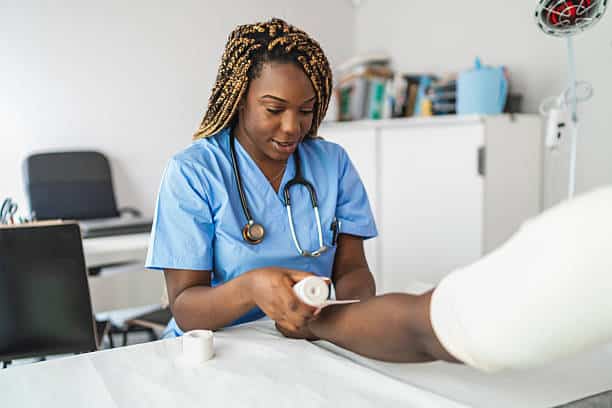
The wrong dressing can irritate your skin while being insufficient to absorb drainage. The right one should be gentle against your skin while being highly absorbent. You also want a dressing that is flexible enough to conform to your body and is easy to use. Instead of using a dressing that has an adhesive, opt for one without it and use a gentle body tape to secure it a few centimeters away from the wound.
Health experts suggest using a dressing that is made of highly absorbent alginate or foam. If that’s not a possibility for you, simple gauze should work. You should also ask your doctor about using a combination of primary and secondary dressings. A primary dressing is placed directly on the wound to absorb drainage and protect it. The secondary dressing, on the other hand, holds the primary one in place.
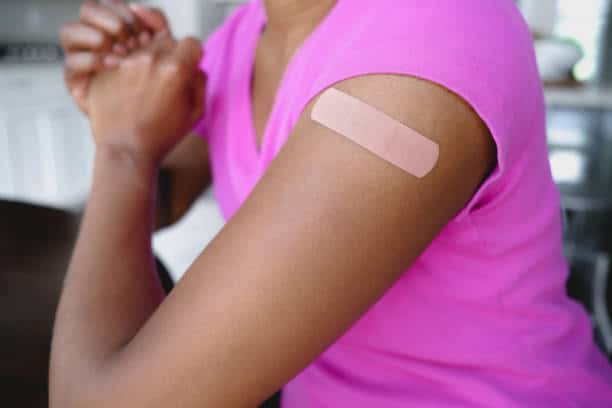
Your doctor should tell you how often to change your dressing, as this can be determined by the extent of your wound, how much it drains, and how healing is progressing. It may also be beneficial to cleanse the area between dressing changes.
Even if you’re doing everything you’re supposed to, there is always a risk of infection when it comes to HS. Since draining lesions and wounds often produce pus, it may be easy to dismiss the signs of an infection when it happens. However, an infected wound goes further than an HS flare. In that case, you may see redness and swelling that extends beyond the wound. You may also start to have chills and a fever.
Depending on the location of your wound, changing how you usually do things can be imperative to wound care. For example, if the wound is under your breast, you avoid any clothing that will rub against it, such as bras or supportive wear.
Sometimes a wound is in a location that you can’t manage on your own. If that’s the case, it’s best to ask for help. You should also talk to your doctor if you’re having trouble taking care of your wound or the prescribed regimen isn’t helping.
RELATED: HS in the Heat: Managing Flare-Ups During Summer Sweat Season
Though it can take time for wounds to heal when you have HS, a prolonged wait can be a sign that something is wrong. Wounds that aren’t healing well might not start closing in, or they might reopen after being closed for a little while. You may also see a pattern of significant pain, redness, and drainage that cycles on and off.
If you haven’t seen any improvement after following your doctor’s treatment regimen for more than a few weeks, you should schedule another visit immediately. The same is true if you notice any signs of infection. Some symptoms include intense, unexpected pain, swelling or redness of the affected area, and a foul discharge from the wound. You may also have fever, chills, and sweats.
Depending on the extent of your wound, you may have to manage it for up to a few months. However, there should be signs of progress, even if it’s slow. You should regularly check in with your doctor to ensure that healing is going as planned. Your doctor may or may not suggest a schedule for you, but it’s good to ask them for some check-in timelines.
If you have any signs of an infection or that your wound is getting worse instead of better, you should let your doctor know. This is especially important for those whose wound type has changed. For example, you may have started a healing protocol for an open wound that has progressed into a tunneling wound. These kinds of wounds are usually treated differently because they can spread infection under the skin, and without effective treatment, they can become life-threatening.
When you’re living with HS, you have to be careful whenever you have a wound of any kind. If not handled properly, it’s easy for things to worsen. As long as you follow your doctor’s advice and take good care of the wound, though, it should heal well.


By subscribing, you consent to receive emails from BlackDoctor.com. You may unsubscribe at any time. Privacy Policy & Terms of Service.