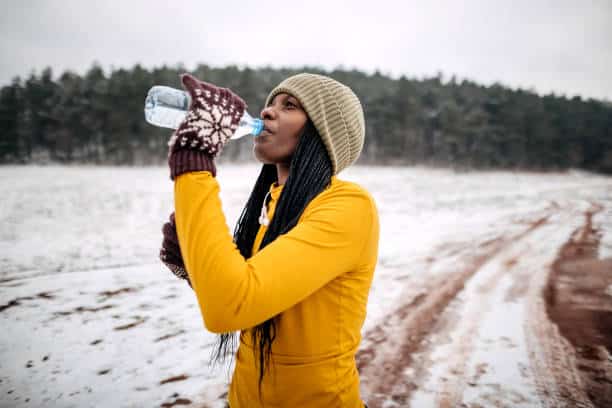
What do you expect?
For most of us, it’s an easy answer. Of course, you would be more dehydrated during the summer, because it’s hot, it’s humid, and you’re spending more time outside, exerting yourself.
How could winter possibly be more dehydrating?
The answer is not a simple one, but it’s one that’s been studied extensively, and perhaps it’s the reason we find more people dying of heart attacks and similar acute events during the coldest months. We have to think about this logically.
Let’s be honest. Dehydration doesn’t take a seasonal break. While summer’s heat makes us sweat profusely and reach for water instinctively, winter dehydration sneaks up quietly. The reason is that cold air suppresses thirst signals, all the while indoor heating dries out the environment! How fun… and then, we often forget to drink enough.
This hidden fluid loss certainly takes its toll on the body. It can thicken mucus in your respiratory tract, strain your kidneys, and definitely worsen headaches and fatigue.
Of course, that’s only if you let it. Here’s the good news: simple awareness and daily practices can keep you ahead of it.
Ready to be proactive and prevent small slips from becoming bigger issues? Let’s get into it…
You’re sweating a lot, your heart rate is jacked, and you just want something cold in your body. It’s obvious. But what about during the winter? In the cold, the body’s response shifts. Cold air holds less moisture, so when you exhale, you lose more water vapor (visible as breath on frosty days).
Unfortunately, changing the environment doesn’t change it that much. Dry indoor air from heaters actually pulls even more moisture from your skin and lungs. Research shows thirst sensation can drop by up to 40 percent in cold conditions – a lot!
The outcomes can be disastrous. You’re thirstier and less aware of how thirsty you are.
Your body constricts blood vessels to conserve heat (cold-induced diuresis), tricking it into thinking fluid levels are fine, so you drink less. Sweat evaporates instantly in low humidity, hiding losses.
Basically, summer lets you know what’s going on, and winter whispers in lies…

It’s all a very predictable process, but only if you’re prepared. If you’re not ready, and you don’t handle the cold well, you may regret that you ever ventured out. So let’s know the basics. Basically, low fluids thicken your mucus membranes, which can then turn protective gooey barriers into sticky, ineffective ones.
Sounds gross, and it’s worse to have to deal with.
When this happens, it impairs your ability to trap viruses, bacteria, and pollutants. As a result, you have worse colds, more sinus issues, longer-lasting respiratory infections, and more.
Should we also mention that your kidneys work harder to filter concentrated urine? In other words, you have a higher risk of stones, urinary tract infections, and strain.
The last thing you need is more fatigue, brain fog, headaches, dizziness, and irritability!
Even mild cases disrupt focus and mood. As for severe ones? They can get so serious that they can spike heart rate, lower blood pressure, and even lead to delusional confusion, where you have no idea who you are or where you are!
Severe, certainly, but a possibility for many people who play games.
If you’re not sure if you’re dehydrated during the winter, look for these telltale signs.
Don’t wait for a dry mouth to act. Watch for:
RELATED: Signs It’s Time to Talk to Your Doctor About Dehydration

Of course, during the winter, many warm options can boost your health & wellbeing. These include things like herbal teas (chamomile, ginger), broths, or soups, great for replenishing fluids.
Hoping to spruce it up? Add lemon or a pinch of salt for flavor and sodium. Coconut water also offers natural potassium and electrolytes, which, when warm, are perfect for comfort. You’ll also be happy you did, because beyond the enjoyable drink, milk and warm buttermilk provide calcium, potassium, and hydration.
Speaking of fulfilling your body’s needs, electrolytes are all over the place.
Some of the best electrolyte-rich foods include bananas, avocados, spinach/leafy greens, nuts/seeds, yogurt, oranges, and dried fruits like apricots. Soups with veggies and a touch of salt balance sodium, too, while adding moisture.
Just try to avoid excess caffeine/alcohol—they act as diuretics, making them the quickest way to dehydrate.
RELATED: Bored with Water? Here Are 4 Drinks That are Just as Hydrating
The answer is nothing. We’re all different, and the same thing that might make you feel weak in one context could make you feel strong and capable in another. Life can be a double-edged sword, a gift and a curse, so it’s always good to know where you feel like you fall short. Your ability to manage your challenges will only amplify your greatest strengths.
And whether we like it or not, our strengths and our weaknesses change with age. Overall, older adults face higher risks of dehydration. This happens because age blunts thirst sensation, kidneys hold less water, and one’s total body water decreases. When you add in the fact that many older people take medications, you have to consider potential diuretics for hypertension or heart health that lead to dehydration.
Many chronic conditions, such as diabetes and kidney issues, make the elderly even more vulnerable. Even just layered clothing can add fluid loss. So, if you’re in these groups, proactive sipping is essential—set reminders rather than relying on thirst.
You’ve got this. These low-effort steps prevent escalation, allow you to get ahead of problems, and keep your body in better shape throughout the toughest months. Build these habits now for steadier energy, and don’t look back.
Your best days could very well lie ahead. That is, if you’re ready and willing…


By subscribing, you consent to receive emails from BlackDoctor.com. You may unsubscribe at any time. Privacy Policy & Terms of Service.