Most of the health information available doesn’t apply to the specific concerns of Black people, our narratives often missing from general research. Thankfully we have places like BlackDoctor.org (shameless plug) to help us out, but Black people are still underrepresented in health research. A recent story by The Atlantic points out a great disparity in health research for African Americans.
A study conducted by the University of California, San Francisco revealed that only 5% of the genetic traits that linked asthma to European Americans applied to Black people. An alarming statistic seeing as how Black people die from asthma 10 times the rate of White people of non-Hispanic descent.
READ: Why Are Black Men With Prostate Cancer Getting Inferior Care?
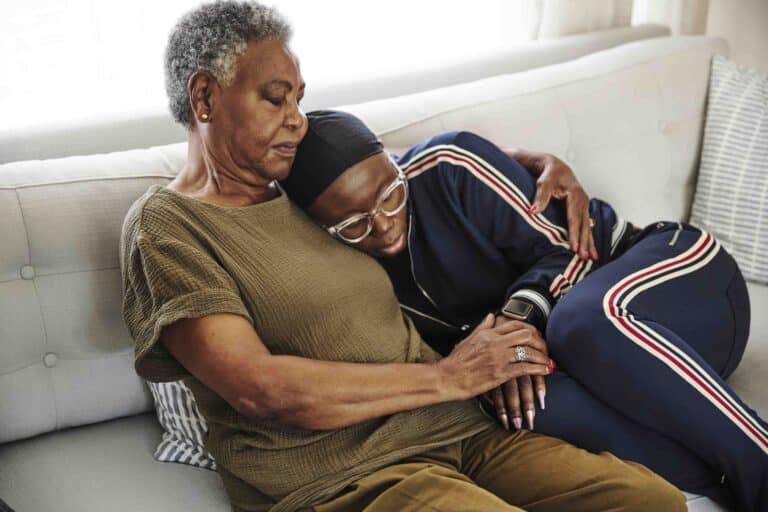
Illyasha Peete, a Black woman from the Bay Area speaks to this cold shoulder when she speaks about the lackluster treatment her Black son received when going to the doctor for his asthma.
“They send you home with this child, and you know he could stop breathing at any minute,” Peete said. “There was no support group. There was no education.”
Researchers noted a variety of issues with being inclusive in their health studies, citing that recruiting Black people is challenging due to their suspicion of medical research. A number of sources have all spoken to this as a major obstacle to inclusion, while other leading researchers are saying that these studies aren’t doing enough to include us in the narrative.
A lot of us would love to participate but the scientists conducting these studies don’t venture outside of the comfort of their labs to visit the communities we reside in. JoEllen Wilbur, associate dean at Rush University’s College of Nursing illustrates this observation.
“Once you show you’re really out there with them, you gain trust,” said Wilbur, “but sometimes the participants never even see the investigators.”
READ: Slavery & The Traumatic Roots Of Modern Gynecology
Other leading experts are saying it’s a matter of medical apartheid. Usually participants in these studies are recruited from collegiate populations. In predominantly African American communities we generally don’t have access to these institutions where they’re pulling these participants from and if we are there are challenges beyond our realm of control at times.
Jill Fisher, an associate professor in the Center for Bioethics at the University of North Carolina, Chapel Hill says access to these studies isn’t the problem, it’s the lack of effort.
“Generally speaking, there’s a segregated healthcare system,” Fisher said. “It’s really not a question of who’s willing to participate. It’s who’s being asked.”
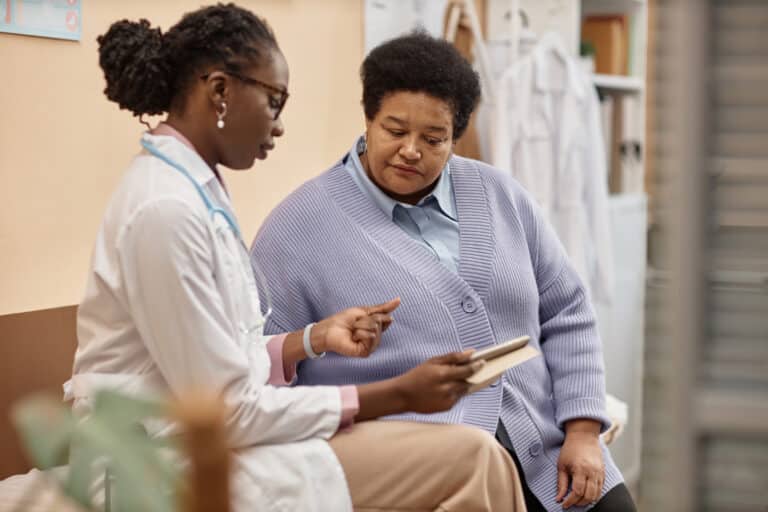
Educators like Wilbur, who works in the Black community, goes the extra distance to make sure that her presence is known in the community as more than just a doctor collecting data for her research project. This cardiovascular health expert recruits in local beauty shops patronized by Black women, provides babysitting services to eliminate the barrier of not being able to come to the studies because of child-care concerns and she attends a Black church in the community.
For every Wilbur there are countless studies still being produced that don’t reflect the Black experiences and challenges in healthcare. Just as college taught you to critically analyze the sources before assuming something as truth, do the same thing with your medical information. Is it for you or for them?


By subscribing, you consent to receive emails from BlackDoctor.com. You may unsubscribe at any time. Privacy Policy & Terms of Service.