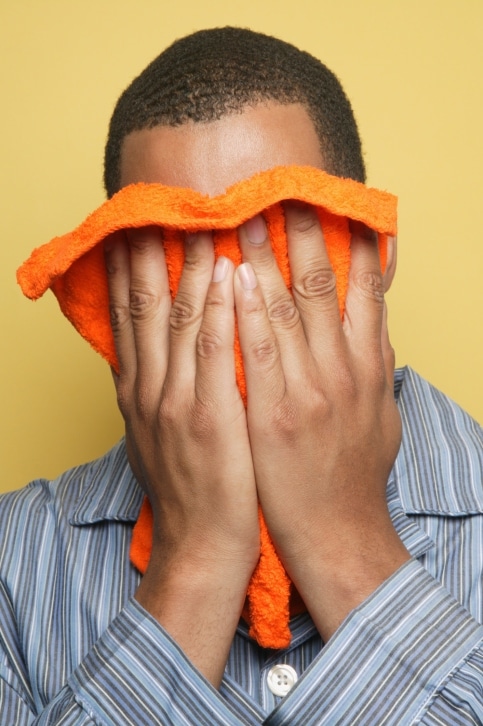
So you find out that your “friend” doesn’t use a washcloth when he/she takes a shower. We use “friend” loosely because there are some strong opinions when comes to using a washcloth or not using one.
Some believe that you have to use one religiously, no matter if you’re washing your face or your body.
Others believe you have to have multiple washcloths every time you take a shower.
Even others use the argument that “doctors don’t use one when they go into surgery, so why should I have to use one?” And even still, others think that you should use them every now and then. Which group do you fall into?
Before you make your decision, some in the medical community have weighed in on this as well.
Board-certified Dr. N. Williams of an Indiana medical system says, “You should never scrub too vigorously with a washcloth. Removing dead skin cells is a good thing, but if you scrub too hard, your skin may appear red and irritated afterward. A gentle scrubbing is all you need to get rid of dead skin. If dry skin is a persistent problem, avoid using products that contain alcohol — alcohol will cause your skin to become tight and dry. Apply a moisturizer immediately after washing your face while your skin is still damp.”
Always use a clean washcloth every time you wash your face. Hanging a used washcloth in a moist shower for later use is a bad idea. Bacteria thrive in moist environments such as wet washcloths.
Washing your face with a washcloth that hasn’t been cleaned could spread the bacteria on your skin, potentially leading to an illness or infection.

CHECK THIS OUT: Is It Better To Take A Shower At Night Or In The Morning?
Because of the damp, hot environment, they live in, washcloths are prime breeding grounds for bacteria and mold. When used, germs [on a dirty washcloth] are then spread or reintroduced to the skin, which can cause irritation and even infection.
To minimize the growth of bacteria and mold, hang the washcloth so that air circulates around it, drying it faster.
Sonic brushes are not immune to bacteria and mold either, but they typically dry faster and are less porous, so it’s less of a problem.
Yet, sometimes less porous materials can be more rough or harsh on your skin, stripping too much of the natural oils that help regulate skin hydration.
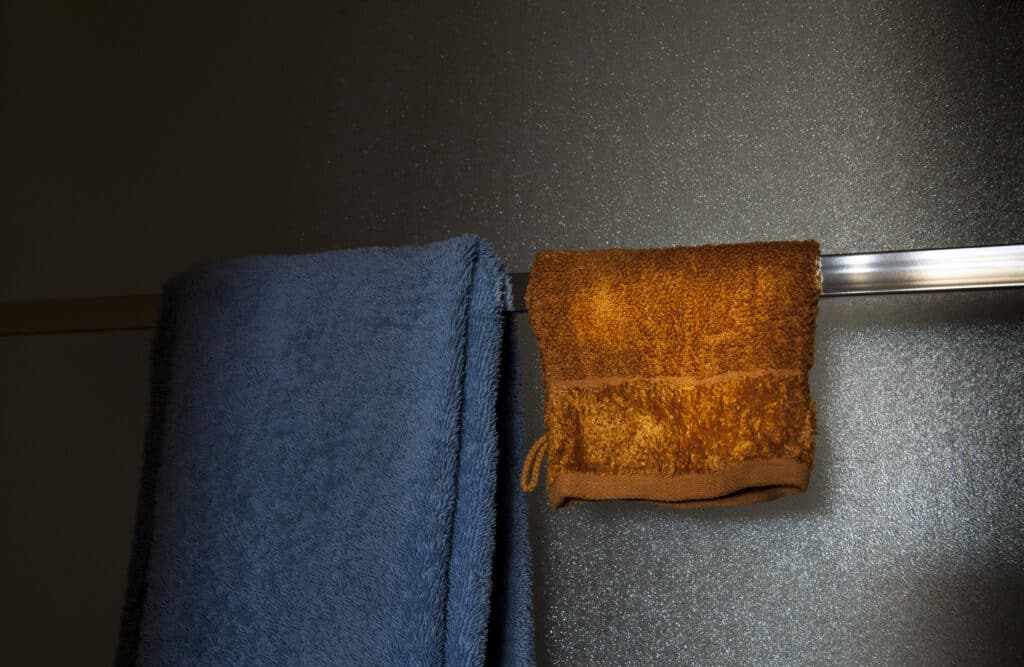
And loofahs are no different. Your loofah scrubs dead skin cells off of your body, which “get caught in all of the nooks and crannies of the fibrous matrix of the loofah,” Associate professor of Microbiology, Dr. Angert explains. “When you’re done scrubbing, chances are you leave the loofah in the bathroom until its next use. This is the opportune moment for bacteria to cultivate. The shower environment is a nice, humid environment — there’s not a lot of air circulation, and it’s a great place for bacteria to hang out,” she says. “The bacteria eat any organic matter — like those discarded skin cells — left behind in the loofah.”
Every time the loofah gets wet and does not dry properly, the organisms grow and grow. “You spread the bacteria that you washed off your body the last time.”
“I actually strongly prefer that my patients use no loofah, washcloth or scrubby at all in the shower,” says dermatologist Dr. Krant. “Skincare should be gentle rather than harsh, and people spend a lot of time over-cleaning and stripping the skin of natural and healthy moisturizing oils that keep us from being itchy, dry and flaky,” she says. “Using disposable sponge pads or some ordinary over-the-counter body wash and your hand is enough to keep you clean.”
So what’s the verdict?
You may not like the answer, but: it really depends on you, your skin and your health.


By subscribing, you consent to receive emails from BlackDoctor.com. You may unsubscribe at any time. Privacy Policy & Terms of Service.