Menu

Want to Avoid Glaucoma? Look at What You Eat

Table of Contents
glaucoma

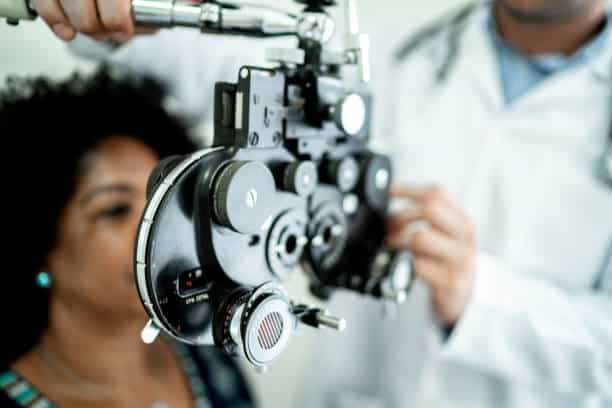
Eat right to protect your sight. That’s the advice of the Glaucoma Research Foundation, which offers its recipe for healthier eyes.

Glaucoma is a group of eye diseases that cause progressive vision loss through damage to the optic nerve. It is the second-leading cause of blindness. It occurs five times more often in Blacks and about 10 years earlier in Blacks than other ethnic groups, according to the foundation.

As with other health issues, good nutrition can make a difference for your eyes, the foundation notes.

Featured on BlackDoctor

RELATED: 3 Reasons To Have Your Eyes Checked
Which foods can prevent glaucoma?

glaucoma

Fruits and veggies

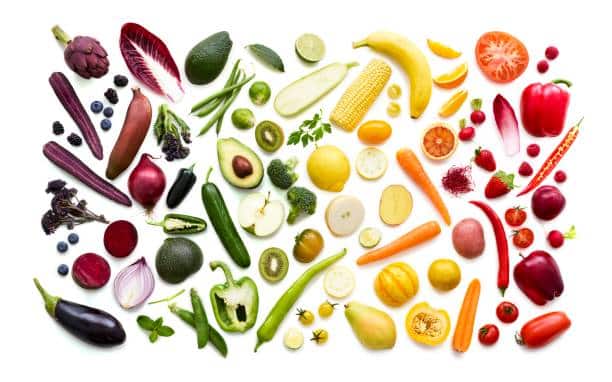
Fruits and veggies are good sources of vitamins A and C, as well as the antioxidants lutein and zeaxanthin. These can protect against oxidative stress associated with damage to the optic nerve and other tissues of the eye in glaucoma.

A study that included 584 Black women found that those who consumed three or more fruit or juice servings daily were 79% less likely to have glaucoma than those who had less than one.

Leafy greens

Leafy greens are one of those veggies to focus on. Research has found a link between kale and spinach consumption and a reduced risk of glaucoma, according to the foundation.

Eating leafy greens is also linked to lower rates of inflammation, cancer, heart disease and even the eye disorder macular degeneration.
glaucoma

Nuts and seeds

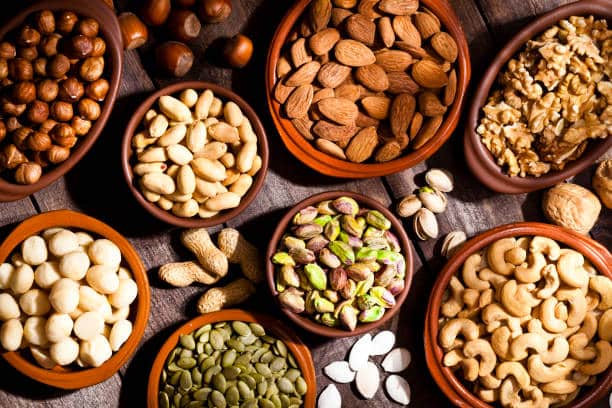
Nuts and seeds are good sources of vitamin E, which is important for keeping cells healthy and protecting them from

the free radical damage that can break down protective retinal tissues, the foundation notes.
Fish

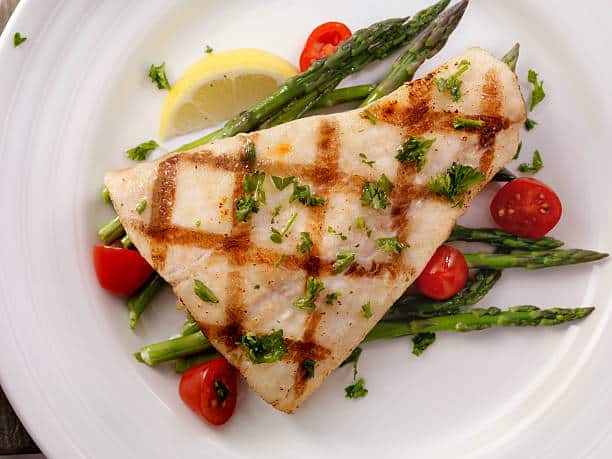
The foundation also suggests fish, particularly salmon, tuna, sardines and halibut have high levels of omega-3 fatty acids. Omega-3 fatty acids have been shown to lower glaucoma-related eye pressure.

glaucoma

Tea

And have a cuppa while you’re at it. A study in the British Journal of Ophthalmology found that people who drank at least one cup of hot tea daily lowered their glaucoma risk by 74% compared to those who did not.

The foundation also suggests adding chocolate, bananas, avocados, pumpkin seeds and black beans to your diet for their health benefits.

RELATED: 3 Reasons You Should Talk About Glaucoma

Which foods should you avoid?

People who are already living with glaucoma should avoid foods that contribute to metabolic syndrome, obesity, blood pressure problems, and diabetes. A diet that helps maintain normal blood pressure and blood sugar helps reduce glaucoma risk, the foundation says.

Eating a healthy number of calories, and limiting carbohydrates may also have benefits for the eyes.

How to protect your eyes

According to the CDC, you can take the following steps to help protect your eyes and lower your risk of vision loss from glaucoma:


  • If you are in a high-risk group, get a comprehensive dilated eye exam to catch glaucoma early and start treatment. Prescription eye drops can stop glaucoma from progressing. Your eye care specialist will recommend how often to return for follow-up exams. Medicare covers a glaucoma test once a year for people in high-risk groups.
  • Even if you are not in a high-risk group, getting a comprehensive dilated eye exam by the age of 40 can help catch glaucoma and other eye diseases early.
  • Open-angle glaucoma does not have symptoms and is hereditary, so talk to your family members about their vision health to help protect your eyes—and theirs.
  • Maintaining a healthy weight, controlling your blood pressure, being physically active, and avoiding smoking will help you avoid vision loss. These healthy behaviors will also help prevent type 2 diabetes and other chronic conditions.

Related Stories
Answer the question below
What areas do you try to improve in spring?

Get our Weekly Newsletter

Stay informed on the latest breakthroughs in family health and wellness. Sign up today!

By subscribing, you consent to receive emails from BlackDoctor.com. You may unsubscribe at any time. Privacy Policy & Terms of Service.

More from BlackDoctor

Where Culture Meets Care

BlackDoctor is the world’s largest and most comprehensive online health resource specifically for the Black community. BlackDoctor understands that the uniqueness of Black culture - our heritage and our traditions - plays a role in our health. BlackDoctor gives you access to innovative new approaches to the health information you need in everyday language so you can break through the disparities, gain control and live your life to its fullest.
✦ AI Search Disclaimer
This AI-powered search tool helps you find relevant health articles from the BlackDoctor.org archive. Please keep the following in mind:
✦ For Informational Purposes Only
The information provided through this AI search is for general educational and informational purposes only. It is not intended as a substitute for professional medical advice, diagnosis, or treatment.
✦ Always Consult a Healthcare Provider
Never disregard professional medical advice or delay seeking it because of something you have read through this search tool. If you have a medical emergency, call your doctor or 911 immediately.
✦ AI Limitations
This search tool uses artificial intelligence to help match your queries with articles in our archive. While we strive for accuracy, AI-generated results may occasionally be incomplete, outdated, or not fully relevant to your specific situation.
✦ No Doctor-Patient Relationship
Using this search tool does not create a doctor-patient relationship between you and BlackDoctor.org or any healthcare provider.
Explore over 35,000 articles and videos across black health, wellness, lifestyle and culture
Full AI Search Experience >
×

Download PDF

Enter your name and email to receive the download link.