Black patients remain significantly underrepresented in skin cancer clinical trials, even though delayed diagnoses often lead to poorer outcomes. Researchers are working to better understand how ultraviolet (UV) damage, skin cancer, and preventive strategies affect people with darker skin tones. But they need more Black participants to make those findings applicable to everyone.
While melanin offers a frontline shield, Black patients are not immune to UV radiation. Delayed diagnoses lead to worse clinical outcomes, but researchers are studying prevention strategies to increase diversity in dermatology trials.
“Researchers call for higher quality studies to understand the link between UV exposure and risk of melanoma for people with skin of color,” reads an American Cancer Society article. Historical dermatologic studies have also failed to account for variations in melanin concentration or distinguish among melanoma subtypes, such as acral melanoma, the most common subtype among many patients of color. Acral melanoma, for example, develops on sun-shielded areas of the body — such as the palms, soles, and nail beds — and is not thought to be caused by UV exposure.
This means sunscreen benefits Black patients, but it doesn’t protect against all malignancies. Worse still, clinical trials for carcinomas have severely underrepresented Black individuals, limiting the universality of prevention and treatment protocols.
Bridging this gap requires recognizing how skin cancers present uniquely in skin of color and actively correcting clinical myths about sun safety.
Aerolase advisory board member and board-certified dermatologist Corey L. Hartman, MD, FAAD, explains that while melanin confers an inherent sun protection factor of 8 to 13, clinical research demonstrates that “SPF in the range of 30 to 50 is protective against skin cancers, DNA damage, sun spots, hyperpigmentation, and premature aging (sagging skin). Therefore, even those with melanated skin should wear sunscreen to ensure that the sun protection factor is high enough.”
Natural baseline protection helps, but Black people remain susceptible to UV-induced DNA mutations and cellular damage. This means that sun protection is still necessary for melanated skin.
Clinical research is essential for developing better diagnostic tools and treatments that work for everyone. Board-certified physician and anesthesiologist Azza Halim, MD, says researchers are currently examining the following:
“One of the most important shifts in dermatology is recognizing that cumulative UV-induced DNA damage begins long before a visible sunburn appears,” she adds. Prevention should be viewed as a lifelong daily habit. This means that people do not have to worry about more than an occasional sunburn. UV exposure day after day can build up to have harmful effects.
Increasing Black participation in clinical trials may be challenging due to medical distrust, but it is imperative to help save lives. Early detection and diagnostics among people who do not believe they have cancer can help physicians and researchers understand the unique appearance and timeline of advancing skin cancers in Black people.
Viktoryia Kazlouskaya, MD, PhD, a double-board-certified dermatologist and owner of the Dermatology Circle in New York City, points out that leading academic medical centers, such as the Mayo Clinic, are good places to look for open clinical trials. “It’s also helpful to follow board-certified dermatologists who regularly discuss new research. For those interested in participating in or learning about clinical trials, ClinicalTrials.gov is the primary resource,” she says.
Other resource sites include:
Clinicians and researchers are working to actively deconstruct deeply ingrained myths about sun protection for people with darker skin. These common misconceptions about melanated skin need to be corrected.
The myth that people with darker skin don’t need sunscreen remains a major barrier to preventative care. While not all skin cancers appear on sun-exposed parts of the body, there are many benefits to using sunscreen regularly.
“One of the biggest misconceptions is that sunscreen is toxic or causes cancer. This claim has been repeatedly investigated and has not been supported by scientific evidence,” points out Dr. Kazlouskaya.
RELATED: 5 Best Sunscreens for Black People by Skin Type
Dr. Hartman says that another common misconception is that SPF above 30 offers negligible extra benefits. “Clinically, the focus must shift from how much UV light is blocked to how much is actually transmitted to the skin. SPF 60 transmits half as much UV as SPF 30,” Dr. Hartman notes. Furthermore, choosing a higher SPF acts as a safety net to keep your skin protected even when you under-apply sunscreen, which most people commonly do. Double-blind trials have shown that SPF 100+ provides significantly greater protection than SPF 50+ in real-world conditions.
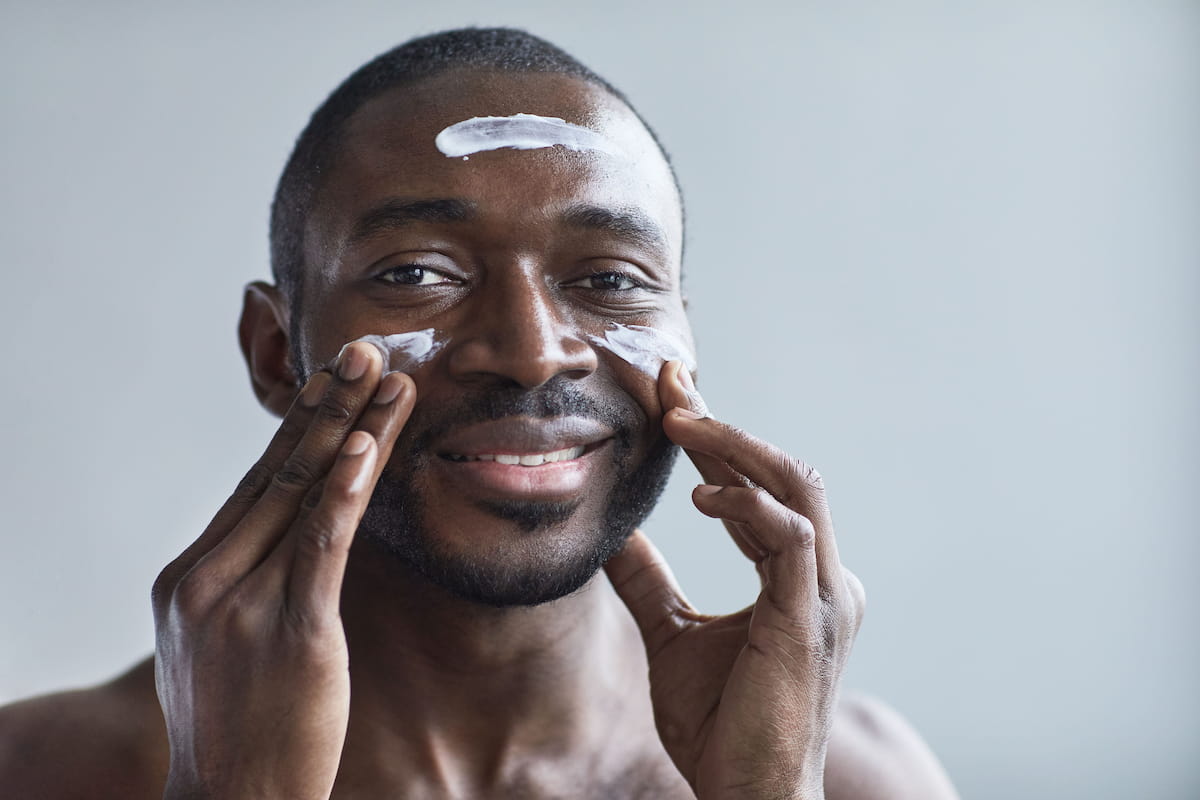
A 2023 study published explored racial differences in perceived risk and sunscreen usage, and found that among their 350 survey participants, “White patients were significantly more likely to have higher perceived risk of developing skin cancer, highest levels of sunscreen usage, and higher reported frequency of skin checks performed by primary care providers (PCPs). There was no difference between racial groups in the amount of education provided by PCPs related to sun exposure risks.”
Further studies would be needed to determine whether sunscreen marketing and better patient education tailored to Black people could actually change behaviors and outcomes. For now, this means that even though most sunscreen companies advertise using photos for white or lighter-skinned people, Black people should know that sunscreen is also useful for their skin.
Also, Black people are needed to participate in clinical trials about skin cancer. A 2025 study concluded that Black Individuals are grossly underrepresented in Basal Cell and Squamous Cell Carcinoma clinical trials.
“Only 0.64 percent of basal cell and 1.4 percent of squamous cell carcinoma clinical trial participants are Black. Consequently, an estimated 85 percent and 66 percent of Black individuals diagnosed annually with basal cell and squamous cell carcinoma, respectively, are unrepresented in clinical trials.” Without full participation, chemical prevention strategies and behavioral interventions will remain elusive for all.
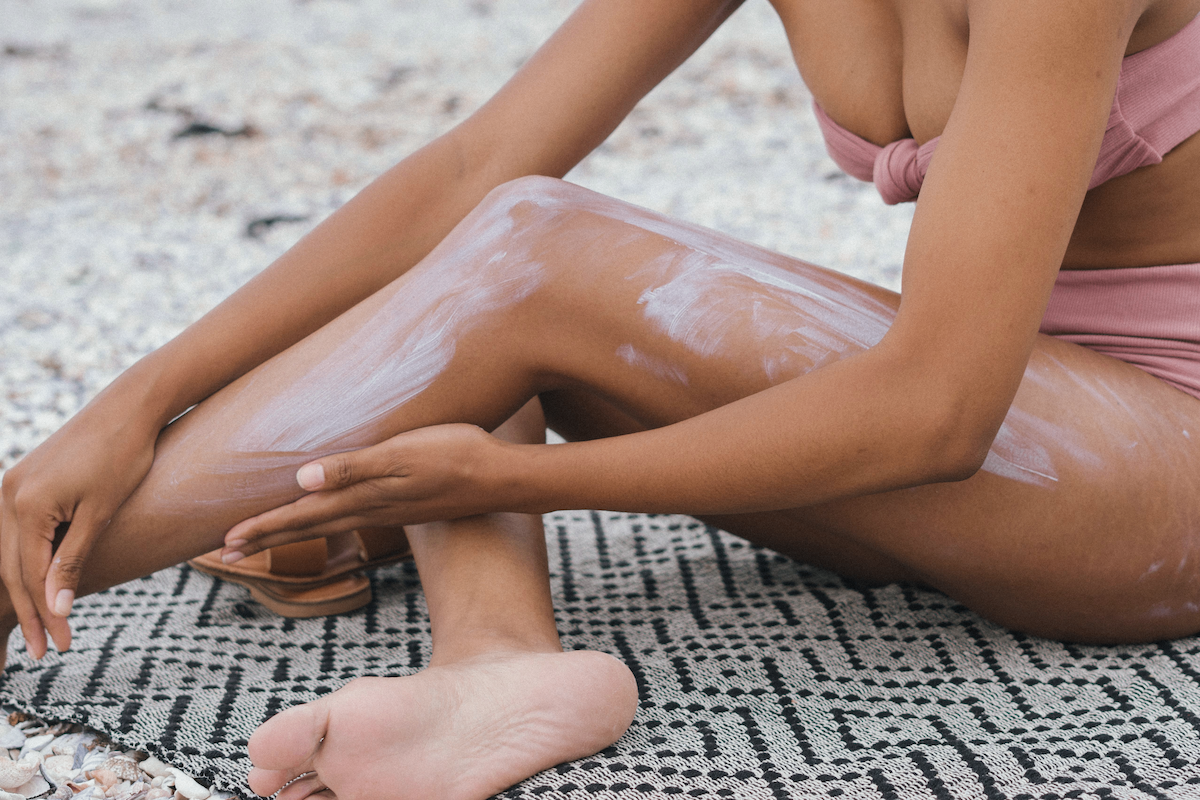
Of course, Black people should start using or continue using broad-spectrum, tinted sunscreens. Specific formulations protect against both ultraviolet and visible light, preventing common pigmentary disorders such as melasma and post-inflammatory hyperpigmentation. People must remember to reapply sunscreen every two hours, regardless of SPF, and to wear hats, use umbrellas, and seek shade to protect skin from UV rays.
Lastly, dark spots on the non-hair side of our skin should not be ignored. If you see anything — moles, dots, or dark spots — develop on the whites of your hands, feet, or nail beds, book an appointment with a dermatologist as quickly as possible.
RELATED: Why Black Patients Are Diagnosed Later With Skin Cancer

By subscribing, you consent to receive emails from BlackDoctor.com. You may unsubscribe at any time. Privacy Policy & Terms of Service.