It hurts.
Somebody you thought would be your best friend forever. A family member you thought you could trust. A long-time acquaintance, and now you’re questioning. Truth is, toxic relationships don’t just come out of nowhere. Often, they begin slowly yet dangerously, and many of the warning signs slip right beneath our radar.
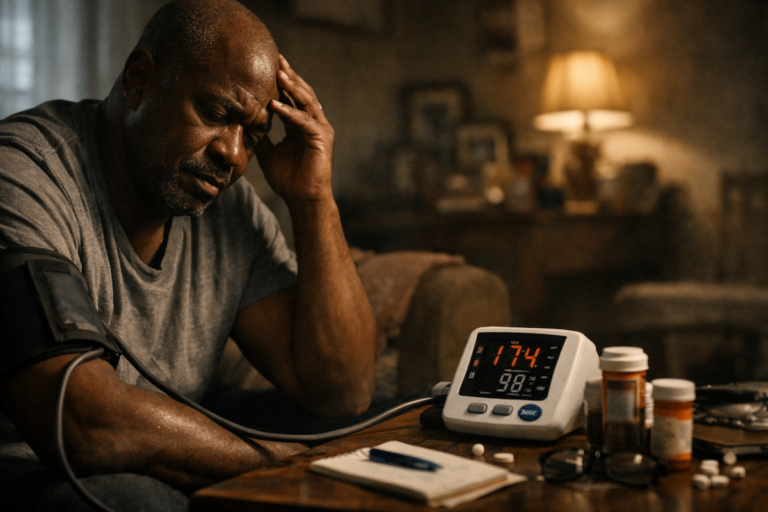
And here’s the thing. We often focus on the emotional pain of a toxic relationship—the arguments, the doubt, the exhaustion—but the physical toll can be just as severe, sometimes even more insidious.
Just think about it. You’re walking on eggshells, you’re dealing with constant criticism, you’re trying to make sense of one-sided dynamics – all of these can trigger a near-constant stress response. But what happens with time? Well, if your body’s stress responses are incredibly high for a long time, this quietly but surely damages your body.
Over time, this chronic activation hurts your body in ways that go beyond feeling “off.” You’re not imagining it, and you’re not alone. Recognizing these hidden impacts is the first step toward protecting your health.
Let’s be frank. The science is clear: prolonged relational stress acts like a slow burn on your physiology. It boosts your stress hormone levels of cortisol, it increases systemic inflammation, and it links to higher levels of inflammatory markers such as C-reactive protein (CRP), all of which contribute to conditions such as heart disease, diabetes, and autoimmune issues!
So let’s not take it for granted. Lowering your stress due to a toxic relationship means addressing that relationship head-on.
Here’s how to do that…

Research repeatedly shows that negative social interactions—especially in close relationships—can predict incident hypertension and stronger inflammatory responses to stressors. As a result of this problematic inflammation, sufferers may increase their risks of all types of health problems, such as high blood sugar, increased insulin resistance, and type 2 diabetes.
Stress also affects resting heart rate and cardiovascular health. The reason for this is complex, but it all starts with your sympathetic nervous system activity – in other words, your body’s involuntary reactions. And while there is a way to control these things (to an extent) consciously, that can become difficult when they’re happening automatically. Everything from elevated heart rate to arterial stiffness is an issue that can result.
RELATED: 9 Hidden Signs Your Relationship Is Toxic
Let’s not forget, immune functioning takes a hit too. When you have sustained cortisol levels, this suppresses immune responses, reducing antibody circulation and increasing vulnerability to infections.
It’s a bad combo anyway you slice it. Firstly, toxic stress weakens defenses against illness, accelerating your cellular aging and heightening your risks for heart issues, stroke, and even neurodegenerative changes.
Why does this happen? Basically, because the body stays in “fight-or-flight” mode without adequate recovery. When this happens, it leads to a wear-and-tear effect across your bodily systems. The consequences of this are easy to predict. If a relationship consistently leaves you drained, anxious, or hypervigilant, it’s likely crossing into territory that harms more than just your heart emotionally.
But if you’re not sure if your relationship is turning toxic, consider the following characteristics:
If you’ve noticed the above patterns, now is the time to take a step back. What’s really going on here? Are you okay? Are you feeling like your life is drastically changing because of these negative experiences?
If these patterns persist and leave you feeling smaller, anxious, or physically tense (i.e., headaches, tight chest, poor sleep), it’s worth paying attention. No relationship is perfect, but consistent harm signals a need for change.

All of this can be very destructive and make you feel like you’re somebody you’re not. However, what’s important to remember in all of this is not simply how you feel, but what you want to feel like. How do you define your self-worth? Do you realize that you’re better than this? Do you blame yourself, or do you acknowledge that the relationship is simply unsustainable?
It can be difficult breaking off a relationship, especially when we’ve been in one for so many years, but at the end of the day, it’s important to realize that these people are not necessarily bad people – and neither are you for ending the relationship!
Toxicity in relationships happens for several reasons, and one of the main ones is a lack of self-love. When we’re struggling and aren’t focused on improving ourselves, it’s not uncommon to lash out at other people. We may call them the exact thing we feel about ourselves. We may point to every single one of their flaws and shortcomings, but fail to recognize our own.
While this is not productive over the long term, it’s not that unheard of. In fact, it happens more than it should, and there are ways to change that.
For starters, consider natural supports that actually buffer your stress levels. These include adaptogens like ashwagandha and rhodiola, which are scientifically known to support resilience. For instance, ashwagandha reduces cortisol, eases anxiety, and improves sleep in stressed individuals (often 300-600 mg standardized extract daily). And with rhodiola, you can combat fatigue and enhance mental stamina under pressure.
Both show strong evidence for lowering perceived stress. More than that, they have very real impacts on the Hypothalamic-Pituitary-Adrenal (HPA) axis, which is your body’s primary, long-term stress response system.
RELATED: 8 Red Flags You May Be Dating A Sociopath
You can additionally incorporate magnesium to aid muscle relaxation and nervous system calm. If you prefer foods over supplements, opt for options like leafy greens, nuts, seeds, avocados, and dark chocolate. Meanwhile, calming herbs such as lemon balm and chamomile offer soothing effects. Lemon balm helps by reducing anxiety and cortisol response (often as tea or 300-600 mg extract), while chamomile promotes relaxation and better sleep.
As long as you start low, choose quality sources, and consult a doctor, the benefits can be numerous.
So don’t forget these daily strategies, as they are ideal for creating breathing room without drastic upheaval. Learn to be more assertive. If you’re struggling with a certain somebody, you can always tell them something like, “I need time to think,” or “This conversation isn’t productive right now.”
Dedicate time to yourself! Carve out solo time for walks, hobbies, or quiet, and recharge without guilt. Journaling is also an effective strategy. If you enjoy writing or simply externalizing your thoughts, try to track conversations in a private journal. Over time, note patterns, triggers, and how you feel afterward for clarity.
When patterns feel entrenched or unsafe, outside help becomes essential. It may not always be necessary, but it’s okay to admit that you need professional assistance. For instance, therapy (individual or couples, if both are willing) offers tools for communication and healing. As a matter of fact, many therapists specialize in relational trauma.
Look into hotlines. Those in the U.S., like the National Domestic Violence Hotline (1-800-799-7233) or text START to 88788 for confidential guidance, are go-tos for many people.
At the end of the day, you deserve relationships that nourish rather than deplete. Whether you’re making gentle adjustments or large-scale shifts, protecting your health is an act of kindness toward yourself. Love yourself, live your life, and don’t ever settle for mediocre!


By subscribing, you consent to receive emails from BlackDoctor.com. You may unsubscribe at any time. Privacy Policy & Terms of Service.