 With so many deaths of Black men in their 50’s lately (rappers, entertainers, and singers like D’Angelo) in America, the conversation about what’s killing our men has resurfaced. Black men face some of the greatest health disparities of any group, with several preventable diseases cutting lives short far too soon. From heart disease and cancer to diabetes and hypertension, the top killers of Black men are often linked to a mix of genetics, lifestyle, stress, and limited access to quality healthcare. Understanding these deadly conditions—how they develop, the symptoms to watch for, and the steps that can prevent them—is key to saving lives and closing the health gap. Here’s a closer look at the six biggest killers of Black men and what can be done to fight back.
Age Groups Most Affected:
Heart disease is the leading cause of death across many age groups. It starts rising significantly from mid-adulthood (around ages 45-64), but risk factors often begin earlier.
Among working-age Black men (ages ~35-64), heart disease is already a major contributor to mortality.
Symptoms:
Chest pain or discomfort (often described as pressure, squeezing, fullness)
Discomfort in one or both arms, back, neck, jaw, or stomach
Shortness of breath, especially with exertion or at rest
Other possible signs include nausea, sweating, lightheadedness, fatigue. Some people (especially women, but also sometimes men) may have atypical presentations.
Preventative Treatments / Actions:
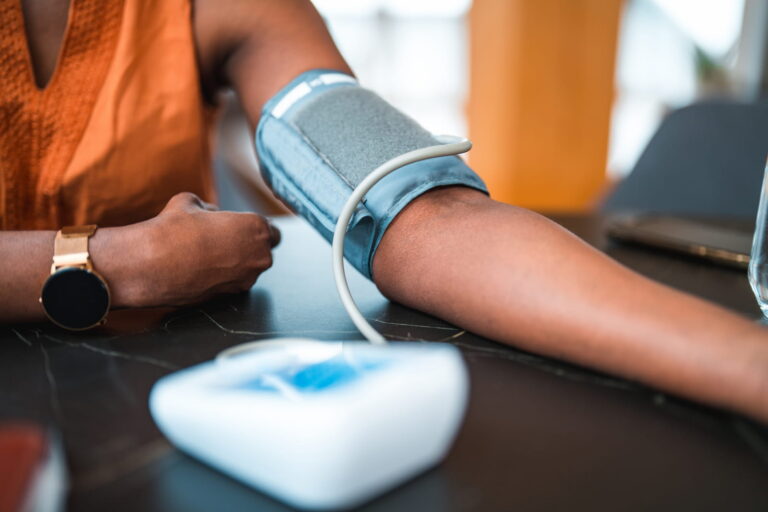
Monitor and manage blood pressure (“hypertension”) through regular checks, medication if needed, and lifestyle changes.
Maintain healthy cholesterol levels. Reduce “bad” (LDL) cholesterol via diet, exercise, medication if prescribed.
Healthy weight, regular physical activity (e.g. ~150 minutes/week moderate exercise), and balanced diet rich in fruits, vegetables, whole grains, lean proteins.
Reduce other risk factors: smoking cessation, limiting alcohol intake, managing stress, adequate sleep.
Access to regular medical care for screening, early detection, and treatment.
Age Groups Most Affected:
Cancer becomes a top cause of death from middle age onward (~45-64 and older), though some cancers may strike earlier.
For Black men specifically, prostate cancer is very common with risk rising significantly after age 50.
Common Types in Black Men:
Prostate cancer (high incidence and mortality)
Colorectal cancer (higher rates of death, sometimes due to later detection)
Lung cancer also shows disparities in incidence and outcomes.
Symptoms: (varies by type of cancer)
Prostate cancer: sometimes no symptoms early; later could include difficulty urinating, blood in urine or semen, pain in hips/back, frequent urination especially at night.
Colorectal cancer: changes in bowel habits, blood in stool, persistent abdominal discomfort, weight loss.
Lung cancer: chronic cough, coughing up blood, chest pain, breathlessness, weight loss.
Preventative Treatments / Actions:
Regular screening as recommended (e.g., prostate exams, colonoscopies for colorectal cancer, mammograms for other cancers etc.). Early detection improves outcomes.
Avoid or reduce risk factors: Smoking cessation (for lung and many cancers), limiting exposure to environmental pollutants, maintaining healthy weight.
Diet rich in fruits/vegetables, fiber; limit processed meats, red meat; reduce alcohol use.
Access to prompt, quality medical care; addressing disparities in access to treatment.
Age Groups Most Affected:
Risk increases with age; many cases occur in middle age (45-64) and older.
But younger Black adults do have elevated risk compared to white peers.
Symptoms: Often sudden; think FAST (Face, Arms, Speech, Time) plus other signs:
Sudden numbness or weakness in face, arm, or leg — especially on one side.
Sudden confusion, trouble speaking or understanding speech.
Sudden trouble seeing in one or both eyes.
Sudden trouble walking, dizziness, loss of balance or coordination.
Sudden severe headache with no known cause.
Preventative Treatments / Actions:
Control high blood pressure, which is one of the biggest modifiable risk factors.
Manage cholesterol, avoid or control diabetes.
Lifestyle: regular physical activity, healthy diet, maintaining healthy weight, avoiding smoking.
Recognize stroke symptoms and seek emergency care immediately—treatment (like clot-busting meds) is much more effective the earlier it’s given. 4. Diabetes
Age Groups Most Affected:
Type 2 diabetes often starts in adulthood, with higher prevalence in middle age (40s, 50s, 60s) but increasingly in younger adults and even adolescents.
Symptoms:
Increased thirst, frequent urination
Extreme hunger (especially after eating)
Unexplained weight loss
Fatigue
Blurred vision
Slow healing of wounds
Sometimes tingling or numbness in hands/feet (neuropathy)
Preventative Treatments / Actions:
Healthy diet (focus on controlling sugar intake, whole foods rather than processed)
Regular physical activity
Maintaining healthy weight or losing weight if overweight
Regular screening especially if one or more risk factors (family history, obesity, high blood pressure, race/ethnicity)
Proper management when diagnosed: medications, monitoring blood sugar, lifestyle changes
While not a disease, homicide is a major cause of death among young Black men, especially in certain age groups.
Age Groups Most Affected:
Younger men (teens through early to mid-30s) are disproportionately affected. Data show homicide ranks very high among the leading causes of death for Black males in the 1-4, 5-19, 20-44 age groups.
“Symptoms” / Warning Signs:
This isn’t a disease, so symptoms are social/environmental rather than clinical. But risk factors include: living in neighborhoods with high crime rates, exposure to violence, poverty, limited access to safe spaces, systemic inequalities.
Preventative Treatments / Actions:
Community and policy-level interventions: violence prevention programs, improved policing strategies, community engagement.
Youth outreach, mentorship, conflict resolution programs.
Better access to education, employment, stable housing.
Addressing underlying social determinants of health: poverty, access to mental health resources, economic opportunity.
Kidney disease often results from long-term hypertension, diabetes, and sometimes other causes. Black men have higher rates of kidney failure and complications. bphnetwork.org+2PMC+2
Hypertension (high blood pressure) is often upstream: it contributes to heart disease, stroke, kidney damage. Many Black adults develop high blood pressure earlier or have more severe forms. American Heart Association+2bphnetwork.org+2
Symptoms:
Kidney disease: often silent until advanced. Might see swelling (edema), foamy urine, fatigue, decreased appetite.
Hypertension often has no symptoms (“silent killer”): sometime headaches, vision changes, dizziness, but often no warning until damage occurs.
Preventative Treatments / Actions:
Regular blood pressure checks; medicine if needed.
Maintain good blood sugar control if diabetic.
Maintain healthy diet, low in salt, saturated fat.
Keep hydrated, avoid excess use of medications that can harm kidneys (e.g. excessive NSAIDs)
Regular kidney function tests in people with risk factors (high BP, diabetes)
The biggest killers of Black men in the U.S. are largely preventable or manageable if the right steps are taken early. While diseases like heart disease, cancer, stroke, and diabetes increase with age, their risk is influenced heavily by lifestyle, environment, access to care, and social inequities. For younger Black men, non-disease causes like homicide and unintentional injuries are also major threats.
Here are cross-cutting factors that influence many of these diseases, and interventions that help:
Early and regular screening / check-ups. Many of these conditions are more treatable or preventable if caught early.
Lifestyle factors: diet, exercise, avoiding tobacco, limiting alcohol, maintaining healthy weight.
Control of risk factors: hypertension, high cholesterol, obesity, diabetes.
Access to quality healthcare: including culturally competent providers, affordable care, insurance, accessible preventive services.
Address social determinants of health: poverty, food deserts, environmental exposures, stress (including racial stress), access to safe neighborhoods.
Education & awareness: knowing symptoms (especially of heart attack, stroke), knowing family history, recognizing when to seek care.


By subscribing, you consent to receive emails from BlackDoctor.com. You may unsubscribe at any time. Privacy Policy & Terms of Service.