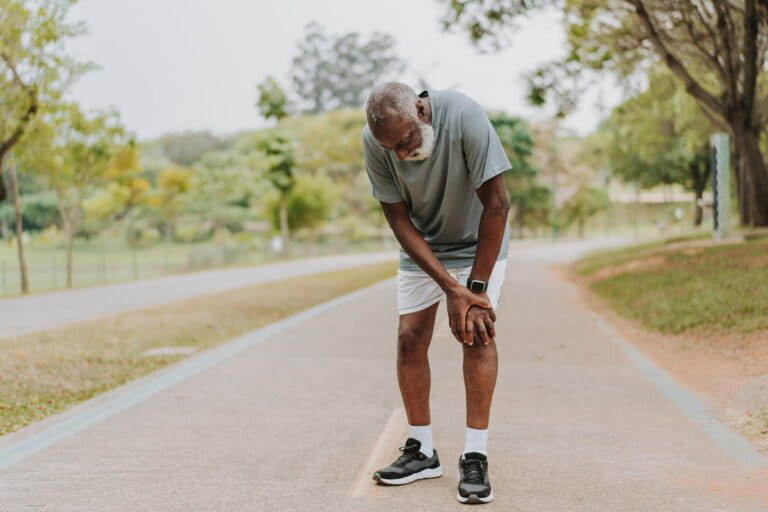
Millions of Americans are dealing with depression, and according to a 2025 Gallup report, the numbers are higher than ever. During 2019, about 13 percent of Americans reported having to manage depression. In 2025, this percentage rose to a little over 18 percent. While the factors that influence depression can vary from one person to another, the treatments are usually similar. Many people who live with depression have to take medications to manage the condition, with some side effects. The good news is that new research shows that adding more physical activity to your routine may help you to balance your treatment more effectively.
While studies have long suggested that being physically active can have a positive impact on your mental health, this updated review confirms that. During several studies, researchers assessed the effect of exercise on depression when compared to no treatment, talk therapy, and medical treatment.
Researchers found that moderate activity could reduce depressive symptoms about as much as the antidepressants that are typically used to manage depression. Health experts estimate that this may happen because exercise can cause your body to release endorphins, which are called ‘feel-good’ hormones.
The researchers are quick to point out, though, that the study still has its limitations. Although a regular exercise routine was shown to positively impact mental health, they were only able to assess the short-term effects. Given time, they’ll be better able to assess how exercise compares to medical treatment for longer periods. In the meantime, it can still be beneficial to supplement your care with consistent physical activity.
RELATED: 5 Best Foods to Help Fight Depression
Endorphins are hormones that your body releases when there is stress, pain, or an activity that causes pleasure. They are produced in the pituitary and hypothalamus areas of the brain. When released, they attach to the opioid receptors in your brain to travel across the nervous system and relieve pain or stress. While your body is capable of producing over 20 types of endorphins, beta-endorphins are the ones that are responsible for stress and pain relief.
Interestingly, endorphins also encourage you to seek out the activities that will result in their release. That’s why some athletes ultimately enjoy being active and talk about what is known as ‘runner’s high’ after exercising. Additionally, endorphins can reduce symptoms of depression and alleviate anxiety.
This is why health experts have been interested in studying the effects of exercise on depression for years. It’s already been shown that being physically active can be good for managing pain and stress. It also opens the door to managing depression with fewer side effects than can come with antidepressants.
Depending on the medication that you take, some of the side effects you may deal with include blurred vision, dizziness, dry mouth, drowsiness, nausea, trouble sleeping, increased anxiety, a persistent headache, low energy, unexplained rashes, tremors, and weight gain. You may also have trouble with being sexually active.

While it’s not a common side effect, there is some concern in the medical community that taking certain antidepressants can increase suicidal ideation in persons who are 24 years old and younger. These medications usually have a black box warning attached to them.
To make things worse, taking antidepressants can also come with a few complications. They can increase your sodium level and your risk of stomach bleeding. If you stop taking them suddenly, you may develop flu-like symptoms, trouble sleeping, dizziness, and mood changes. Some people may also have serotonin syndrome, which typically causes muscle stiffness, confusion, an unexplained fever, or seizures.
Not everyone will experience side effects from their medications, and the severity is likely to vary. However, some people need a combination of drugs to effectively manage their symptoms, so this certainly increases their odds of having a negative reaction.
The study didn’t identify specific exercises that would be best for managing depression, but it suggested that light to moderate intensity physical activity may have the best results. According to other studies, though, activities like jogging, hiking, swimming, dancing, running, power walking, yoga, and strength training can be beneficial.
That doesn’t mean you should limit yourself to these forms of exercise, however. If there are other types of physical activity that you enjoy, it’s worth it to keep doing them. As stated previously, endorphins can be released when you’re doing something that makes you happy. Some doctors have even suggested that doing a group activity can increase your level of endorphins more than exercising alone.
Of course, if you have any concerns about starting a new physical activity, it’s best to talk to your doctor first. They will let you know if there are certain exercises that you should stay away from. Once you get the go-ahead, you should start slowly to ensure that you don’t injure yourself and give your body time to recuperate. Mixing activities is also a great way to remain active without having a lot of downtime.
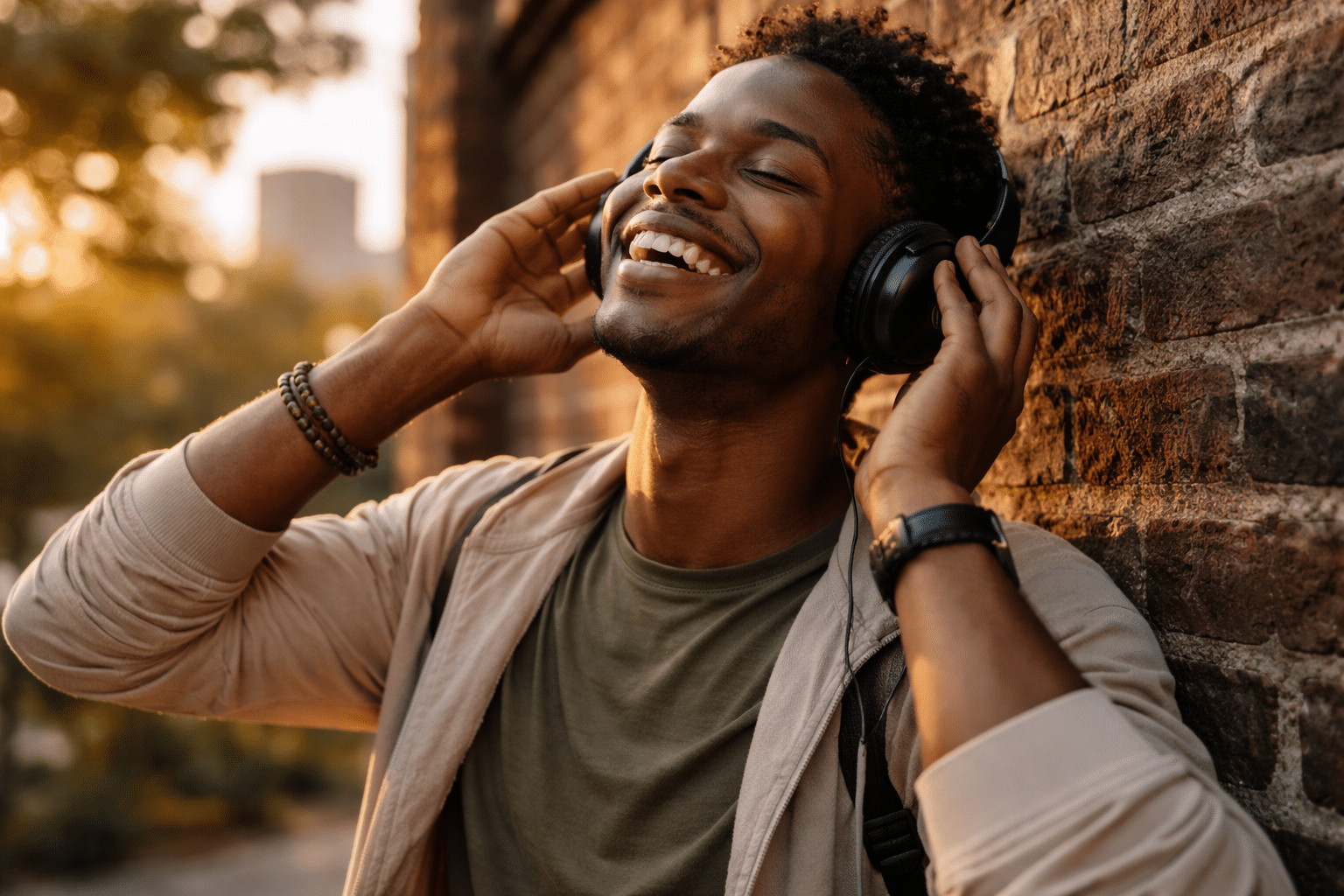
Although exercise can encourage the release of endorphins in the body, it’s not the only way to get them. If you have physical limitations that stop you from being as active as you’d like, it’s good to know that you have other options for endorphins. You can even add them to your routine to further supplement your current treatment regimen if your doctor has no reservations.
Interestingly, alternative treatments for depression have been shown to increase the level of endorphins in your body. This includes meditation, acupuncture, and aromatherapy. Stress management techniques like taking a hot bath, spending time with friends, getting a massage, enjoying some music, or doing something creative can also help. If your diet allows, then a little dark chocolate or wine can boost your endorphins as well.
Finally, being sexually active can help with the release of your ‘feel-good’ hormone. Doctors haven’t set a threshold for how much sex will boost your mood, but are confident that you’ll benefit as long as it leaves you feeling happy.
Although no doctors are recommending that you eliminate medication from your treatment plan, the evidence strongly suggests that you should talk to your doctor about including exercise. Being physically active may help to complement the effectiveness of your current medical regimen–especially if your doctor is contemplating the addition of more medications.


By subscribing, you consent to receive emails from BlackDoctor.com. You may unsubscribe at any time. Privacy Policy & Terms of Service.