Cancer is one of the most common causes of death, especially lung cancer and forms of cancers associated with the respiratory system. However, who would think that the “home” – a place considered to be completely safe – could turn into a “source” of cancer-causing substances? In fact, there are many obvious cancer culprits that we know now about and can avoid. But, there are so many things hiding right under our noses that may cause cancer that we would never even suspect.
Everyday, household items like things we use for cooking, storing food, and even freshening up the air—can contain harmful chemicals and ingredients that can dramatically increase our risk of getting cancer.
The simple truth of it all is that the less you are exposed to carcinogens (the term commonly used for cancer-causing agents), the less risk you have of developing the disease.
In fact, cancerous cells are commonly present in our bodies on a regular basis, but do no harm since healthy immune systems detect the cancer cells and eliminate them right away.
However, the problem worsens when cells are exposed to carcinogens for longer periods of time, and the immune system becomes weaker. These cells then have free reign to proliferate as much as they want.
The key to cancer prevention is to educate yourself. Here are 5 surprising places where cancer-causing substances like to hide.
Arsenic was once in the arsenal of every self-respecting medieval assassin. Today, it’s probably in your pantry. A Consumer Reports study found that some brands of brown rice contain more of this toxic metal than white does. Arsenic may disable your body’s DNA repair system, so when cells are damaged, the DNA can’t bounce back, making it vulnerable to cancer-causing mutations, says Michael Hansen, Ph.D., a Consumers Union senior scientist.
Try this instead: Rinse rice before cooking (the water should run clear). And buy a bigger pot: Use at least a 6-to-1 ratio of water to rice instead of the typical 2 to 1. (Strain excess water.) When you eat out, limit yourself to two weekly servings of rice or rice-based foods.
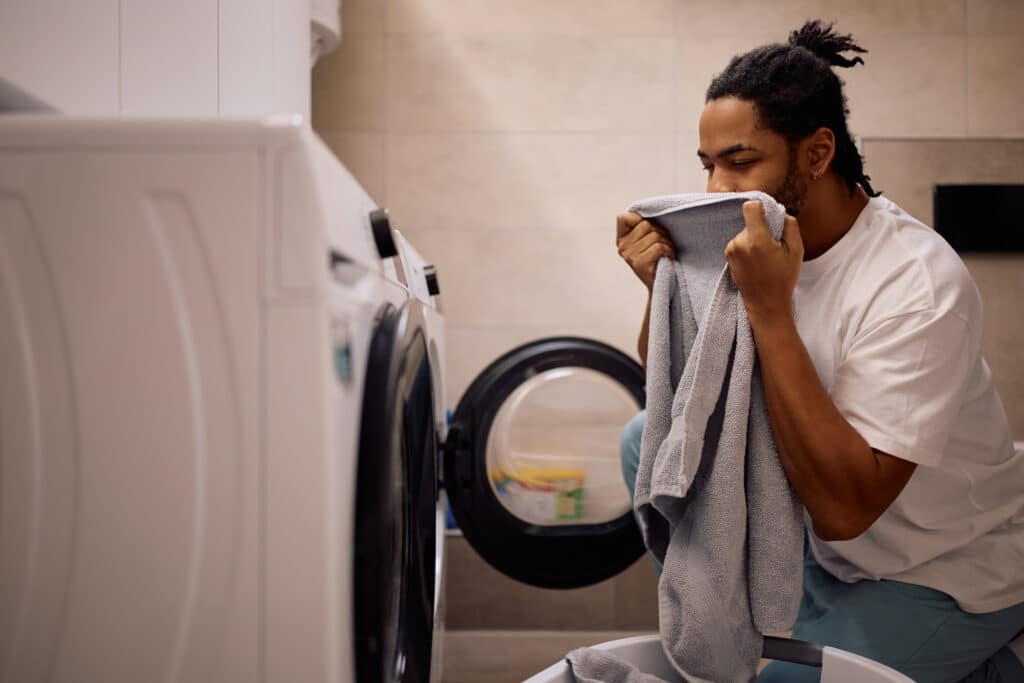
Your detergent removes stains—and may leave behind a toxic chemical. In 2011, an environmental group discovered 1,4-dioxane lurking in laundry detergent. The chemical isn’t a proven cancer-causer in humans, but it has triggered liver and nasal tumors in rats. Worse, you won’t find 1,4-dioxane on labels because it’s an impurity, not an ingredient.
Try this instead: Go with a greener cleaner, like Clorox Green Works laundry detergent. Or learn to read between the label lines: Polyethylene, polyethylene glycol, PEG, polyoxyethylene, or words containing “oxynol” or “eth” are signs dioxane may be inside.
You may be familiar with the controversy of Formaldehyde, as a result of Brazilian blowouts, which contained the chemical. It is mostly used to embalm corpses but you may also be surprised to find that it also keeps shirts wrinkle-free. There’s evidence that formaldehyde causes nasal and respiratory cancers in humans. Any form raises your risk, and multiple sources add up. There’s no safe level of exposure.
Try this instead: Minimize fabric-to-skin contact by reverting to shirts that require an iron and elbow grease. But if you’re hooked on wrinkle-free fabrics, at least throw shirts in the wash before you wear them for the first time. One cycle can cut formaldehyde emissions by 60 percent, according to the California Environmental Protection Agency.
Acrylamide, a form of a chemical used to treat wastewater, creeps in french fries, chips, bread, and even doughnuts. When some carb-rich foods are cooked at high temperatures, the amino acid asparagine reacts with sugars in the foods, forming acrylamide. Your body’s chemical reactions to acrylamide can lead to DNA mutations that may raise your cancer risk.
Try this instead: Strategize in the kitchen. Opt for lower temperatures and shorter cooking times. If you do fry, don’t make foods very brown. And give your spuds a bath: Soaking potatoes for 2 hours before cooking cuts acrylamide buildup by up to half, say U.K. scientists.
Mayor Michael Bloomberg wants to ban Styrofoam from New York City because of what it isn’t: biodegradable. Ban it from your body because of what it’s made from: styrene, which may generate a chemical that can damage your DNA. It’s “reasonably anticipated” to be a human carcinogen, a National Toxicology Program report notes.
Try this instead: The best thing to do is to stay away from styrene in all forms, including coffee cups and their lids. Avoid heating food in Styrofoam or polystyrene containers, especially fatty foods, which can leach styrene. How can you tell if a plastic container contains polystyrene? Look for a “6” on the bottom.
“Radon is a naturally occurring radioactive gas that may accumulate in homes,” Foxhall says. The gas results from the breakdown of uranium and other compounds in ground soil.
Radon is particularly common in basements and other underground spaces. Multiple studies have conclusively linked it — even at low levels — to lung cancer,according to resources from the Environmental Protection Agency.
Foxhall says radon can occur anywhere, but tends to be more common in mountainous regions. He advises buying a test kit for your home. “If you do have radon, there are steps you can take to eliminate it permanently,” he says.
Endocrine Disrupting Chemicals are a large group of chemicals that may mess with your body’s endocrine system. Thissystem helps control everything from your sleep patterns and appetite to your growth and development, Foxhall says.
“From lead to pthlates, there are thousands of these chemicals agents,” Foxhall explains. “But again, the evidence linking any one of them to cancer is not conclusive at this point.”
Cosmetics and cleaning products are two common household goods that may contain EDCs, according to a lengthy statement from The Endocrine Society.
Products that contain strong smells or odors may be especially worrisome, but still require further research.
To avoid cleaning products with EDCs, check product labels against the list of Dirty Dozen Endocrine Disruptors from the Environmental Working Group.


By subscribing, you consent to receive emails from BlackDoctor.com. You may unsubscribe at any time. Privacy Policy & Terms of Service.