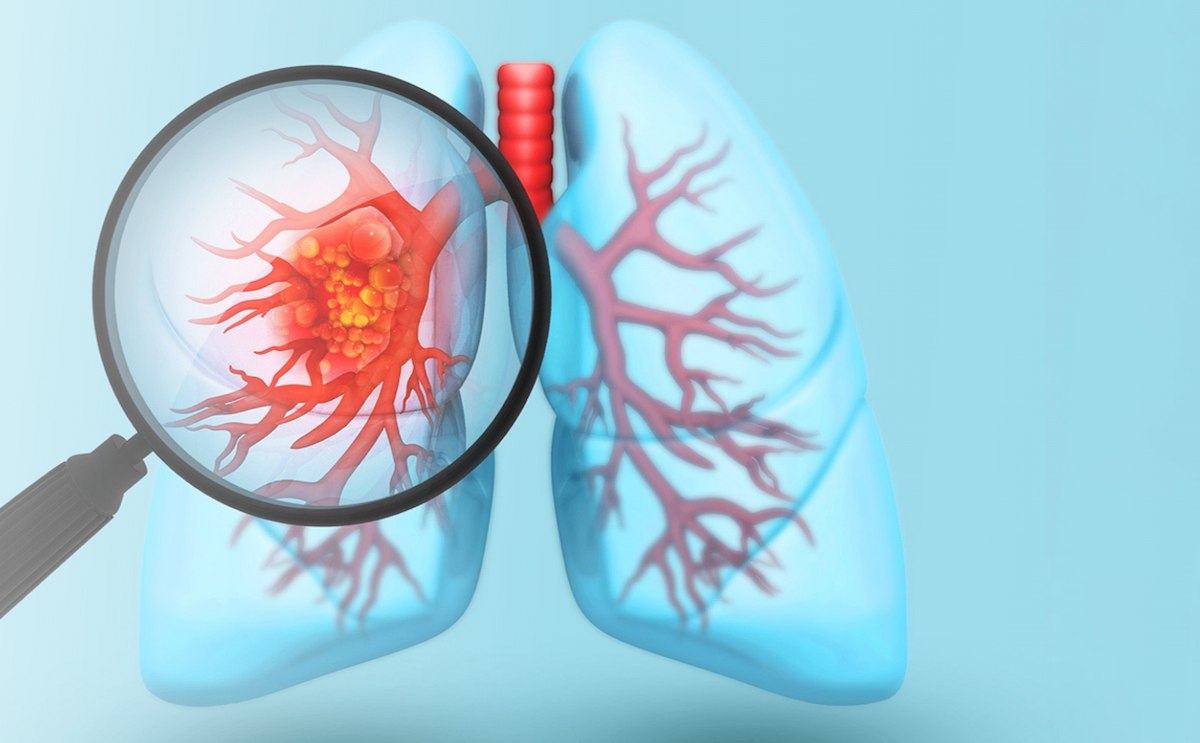
When it comes to ulcerative colitis (UC), the dreaded flare-up can become your worst enemy fast.
One moment you’re fine and dandy, and the next, it hits. Intense abdominal pain, a sudden need to use the bathroom, crushing fatigue that won’t go away – if you or someone you know is living with UC, these symptoms are all too familiar.
And while, yes, standard treatments like 5-ASA drugs can certainly control inflammation, they are not going to completely eliminate flare-ups. Additional relief, in other words, is always welcome!
But here’s the hope you’ve been seeking. Many people don’t know it, but sufferers of UC actually have a powerful, natural ally in something called butyrate. This short-chain fatty acid is produced by your gut bacteria, showing real promise in reducing UC severity, easing inflammation, supporting gut healing, and even helping with related psychological symptoms like anxiety and depression.
In other words, it’s a full-spectrum solution.
And the best news? You can boost your body’s own butyrate production through simple, inexpensive dietary changes using everyday foods. Not expensive, exotic foods. Not rare foods. Not strange supplements that are hard to find and hard to tolerate.
It’s truly far easier than you could ever imagine. Ready to give it a go?
RELATED: UC Ulcers? This Is What Doctors Recommend
If you’ve never heard of butyrate, it’s quite the interesting little powerhouse. In fact, butyrate serves as the primary energy source for colon cells, making it the perfect thing to boost if you’re dealing with digestive disorders and gastrointestinal conditions like ulcerative colitis (UC).
The process behind it is worth noting as well. See, butyrate is made when the friendly bacteria in your gut ferment certain types of dietary fiber. This fermentation especially occurs with what are known as fermentable fibers and resistant starches. These fibers essentially feed your gut, strengthen its barrier, aid digestion, and keep inflammation down.
Resistance starches, meanwhile, are a type of carbohydrates that resist digestion in the small intestine, thereby fermenting in the large intestine. It’s essentially your body’s way of turning ‘leftover’ food material into beneficial metabolites. From here, over time, you’ll enjoy all kinds of perks, such as a stronger immune system, more efficient nutrient absorption, and a better overall quality of health.
However, this is particularly useful for people with UC. In UC, the colon’s lining becomes inflamed, and butyrate actually acts as fuel for your colon cells, or colonocytes. By doing this, butyrate helps promote a healthier gut environment.
In one randomized trial, adding microencapsulated sodium butyrate to traditional UC treatments led to significant clinical improvement. Flare-ups went into remission, and endoscopic examination showed mild-to-moderate strengthening of the gut.
Other studies have found similar benefits, such as in the case of butyrate supplementation, which decreases inflammatory markers, even boosting quality of sleep and scores on psychological assessments of anxiety and depression.
Many people don’t know it, but your gut is linked very closely to your mood and brain health!
Of course, one of the best ways to enjoy all these perks is by doing it the most natural way possible. While supplements can certainly work, increasing natural production via diet offers a sustainable, low-cost path. Given that many UC patients have lower butyrate levels, this is a surefire way to address the disease.
Again, no fancy products required. Let’s get right into it…

As you begin your efforts to boost your butyrate levels naturally, don’t look far. You should be focused on affordable, high-fiber, fermentable foods that gut bacteria love to turn into butyrate. Thankfully, many pantry and produce-aisle staples fit the bill.
The following foods are ideal:
See how easy that is?
As you can tell, these foods are widely available, often under one to two dollars per serving, and are also very versatile for meals. So if you’re looking to integrate them every day without overwhelming your gut, that’s easy too!
As with all foods and supplements, just make sure to start small to minimize bloating or gas. For example, add ¼ of a cup of oats or half a banana daily, then gradually increase over weeks. Your microbiome will adapt, producing more butyrate over time.
Also, don’t forget to combine these foods with hydrating beverages like water, herbal tea, or diluted fruit juice to support digestion and prevent constipation. You can even boost the benefits more with small amounts of fermented foods for extra microbiome support. To do this, consider options like plain yogurt, sauerkraut, or kimchi (one to two tablespoons).
These choices are helpful because they add live bacteria that take fiber fermentation even further. Again, it’s all very easy. For breakfast, you might go for oatmeal topped with a sliced banana and a sprinkle of cinnamon. For lunch, consider something like lentil soup with onions, garlic, and carrots. Craving a snack? A good option would be to grab an apple with a handful of nuts or plain yogurt. And finally, for dinner, a nice brown rice stir-fry with beans and veggies should hit the spot.
As you go, don’t forget to track how you feel. You may notice less urgency, better stools, and an overall improvement in your energy levels. This usually occurs over time as your butyrate levels naturally rise.
This is also great because dietary approaches like this blend seamlessly with medical care. If you’re prescribed mesalamine or other meds, continue to take them, because studies show that butyrate works best as an add-on. It especially enhances remission maintenance and reduces residual symptoms.
But don’t take unnecessary risks. Always consult your gastroenterologist before big changes, as they can monitor your progress via symptoms, calprotectin tests, and scopes, and adjust as needed.
At the end of the day, this “secret” is simple. You’re feeding your gut the fibers it needs to produce its own healing butyrate. Start small today—maybe swap white rice for brown or add oats to your routine—and build up as you go.
Countless UC patients have enjoyed great results with this naturopathic approach, and if you stick to the plan and give it some time, you can too!


By subscribing, you consent to receive emails from BlackDoctor.com. You may unsubscribe at any time. Privacy Policy & Terms of Service.