A good friend can do more than make you laugh, listen to your stories, or meet you for lunch. Staying connected with other people may also support your brain and emotional health as you get older.
That connection can become harder to maintain with age. Retirement may mean you no longer see coworkers every day. Friends may move away. A spouse or longtime friend may die. Health problems can make it harder to get out of the house. And if you’re caring for a spouse, parent, grandchild, or another loved one, your own social life may slowly move to the bottom of the list.
For Black older adults, connection may come through many places: longtime friendships, church, sororities and fraternities, neighborhood groups, family reunions, volunteer organizations, walking groups, community centers, barbershops and salons, or simply sitting around the kitchen table. These relationships aren’t just enjoyable. They can support healthy aging.
According to the National Institute on Aging (NIA), loneliness and social isolation are linked with a higher risk of depression, cognitive decline, dementia, heart disease, and other health problems. That doesn’t mean having a large group of friends will prevent dementia. But regularly connecting with other people gives your brain opportunities to stay active, engaged, and involved in the world around you.
Think about everything your brain does during a simple conversation. You’re listening. Remembering what someone told you last week. Finding the right words. Reading facial expressions. Telling stories. Asking questions. Laughing at jokes. Maybe you’re debating whether the Packers should have gone for it on fourth down. All of that requires your brain to work.
The NIA reports that social activities and community involvement may support cognitive health. In one large study of adults 65 and older, activities such as visiting neighbors and volunteering were associated with better cognitive health later in life.
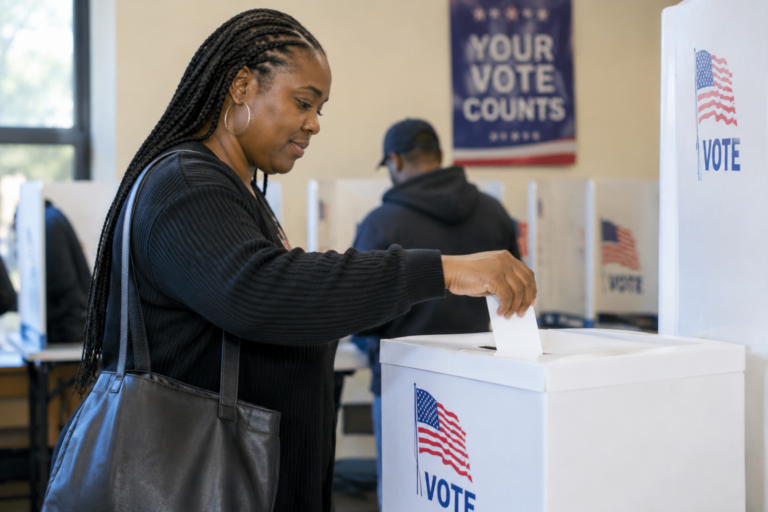
Recent research focused specifically on Black adults 50 and older also found that greater social engagement—including volunteering, religious participation, and group involvement—was associated with better cognitive function and slower cognitive decline. The study shows an association, however, and doesn’t prove that social activities alone prevent cognitive decline. The important part is staying connected in ways that are meaningful to you.
RELATED: 7 Ways to Keep Doing What You Love as You Age
A healthy social life doesn’t require a packed calendar. You may have one friend you call every Sunday and another person you walk with twice a week. Maybe you attend Bible study on Wednesday, talk with your sorority sisters once a month, or regularly meet neighbors on the porch. Repeated contact matters because relationships grow through regular interaction.
Try putting connection on your calendar just like a doctor’s appointment. Schedule a weekly phone call. Meet a friend for coffee on the first Saturday of every month. Attend church in person when you’re able. Join a regular community activity. Having something already planned can make staying connected easier than waiting until everyone happens to be free.
Sometimes friendships don’t end because something went wrong. Life simply gets busy. Children, careers, marriages, caregiving, health problems, and moving can separate people who once talked every day. If someone has been on your mind, reach out. You don’t need a long explanation for why it’s been five years. A simple “I was thinking about you and wanted to see how you’re doing” can reopen the door.
The friendship may not return to exactly what it was 20 years ago. That’s okay. You’re both different people now. You can also make new friends at any age. Try sitting beside someone new at church, talking with another regular at your community center, joining a class, attending neighborhood events, or inviting someone to walk with you.
Social time doesn’t always have to revolve around sitting down for a meal. Invite a friend to walk around the neighborhood. Join a senior exercise class. Walk through a museum. Garden together. Take a dance class. Meet at the mall and walk before the stores get busy.
You can also learn something new. Try a cooking class, book club, Bible study, art class, card group, choir, genealogy project, language class, or community education course. These activities can provide several benefits at once: social interaction, learning, movement, and something enjoyable to look forward to.
And these activities don’t have to be expensive. Libraries, churches, parks, recreation departments, senior centers, community colleges, and neighborhood organizations may offer free or low-cost options.
RELATED: Jasmine Guy Is Reminding Black Women It’s Okay to Age
For many Black older adults, church has traditionally provided much more than Sunday worship. It’s where people sing, volunteer, organize community events, eat together, check on older members, attend Bible study, mentor younger people, and build friendships that can last for decades.
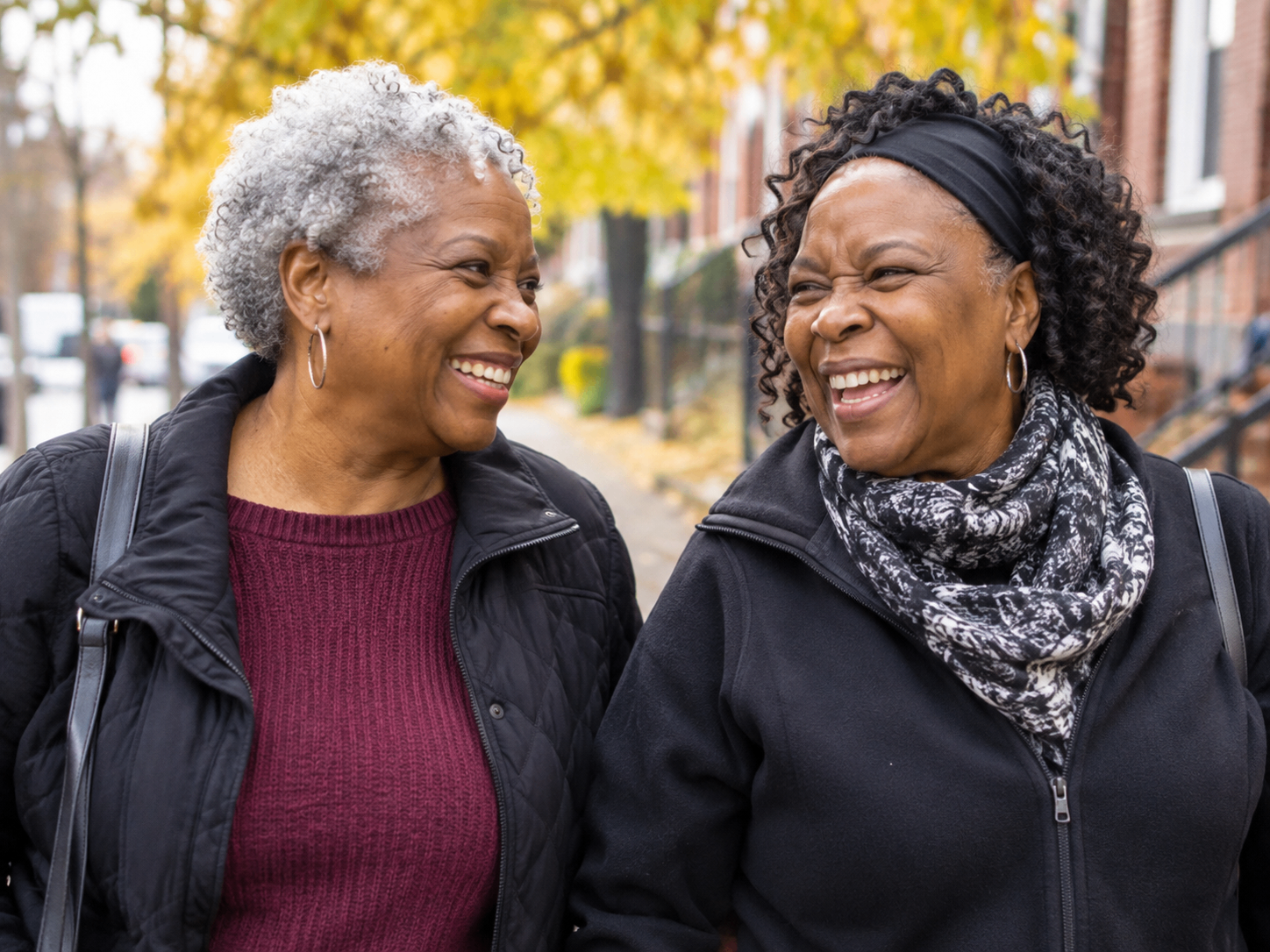
Research is beginning to look more closely at how these culturally meaningful connections relate to brain health. A 2026 study of Black adults 50 and older found that religious participation, volunteering, and group involvement were among the forms of social engagement associated with better cognitive outcomes.
Church isn’t the only option, of course. Your community might be your sorority or fraternity chapter, a Masonic or Eastern Star organization, a neighborhood association, an alumni group, a volunteer organization, a veterans group, a walking club, or another place where you feel comfortable. Choose spaces where you can regularly interact with people and feel like you belong.
Friendship doesn’t have an age requirement. Relationships with younger relatives, neighbors, church members, former coworkers, and community members can keep different generations connected. Maybe your granddaughter teaches you something on your phone while you teach her a family recipe. You might mentor a younger member of your church, offer career advice to a college student, or tell your grandchildren stories about relatives they never had the chance to meet.
The relationship should go both ways. Older adults have experience, history, skills, and stories to share. Younger people bring their own knowledge, interests, and perspectives. Everybody gets something from the connection.
Your closest friend may live three states away. Your grandchildren may have moved for college or work. That’s where technology can be helpful. Text messages, group chats, FaceTime, Zoom, social media, and online groups can help you stay connected when you can’t be together in person.
Early evidence suggests that regular video conversations may support social and cognitive health. The NIA has reported promising findings from research testing regular internet-based conversations among socially isolated older adults. Still, online contact doesn’t have to replace every face-to-face relationship.
Use technology to support your social life. Text your friend to plan lunch. Use the family group chat between visits. Video call your cousin who lives far away while still making time for people who live nearby.
RELATED: 5 Foods That Drain Your Brain
Caregivers can become isolated without realizing it. When you’re caring for a spouse or another family member, leaving the house may require planning. You may turn down invitations so often that people eventually stop asking. Caregiver stress is also associated with depression, and social isolation can add to that risk.
Tell trusted friends what would actually help. Maybe you can’t meet for dinner, but they can visit you at home. Maybe a friend can sit with your loved one while you attend church. Perhaps someone can bring lunch over instead of expecting you to go out. Friendship may look different during caregiving, but you still deserve connection.
Losing a spouse or longtime friend can change everyday life. The person you ate breakfast with, attended church with, traveled with, or called every evening may suddenly be gone. It’s understandable if socializing feels different afterward. Don’t rush yourself. At the same time, try not to disappear completely from the people who care about you.
The NIA identifies the death of a spouse or partner, retirement, health problems, reduced mobility, and transportation difficulties as situations that can increase the risk of isolation. Start small. Accept a short visit. Attend one church service. Have lunch with a friend. Call someone you trust. You don’t have to rebuild your entire social life at once.
Wanting quiet time is normal. A major change in someone’s personality or social habits may be different. If someone who usually loves church suddenly stops going, quits calling friends, loses interest in favorite activities, or seems unusually withdrawn, check on them.
Depression isn’t a normal part of aging. In older adults, it doesn’t always look like obvious sadness. It can show up as a loss of interest in activities, low energy, trouble concentrating or remembering things, changes in sleep, or withdrawal from responsibilities. Changes in memory and thinking can also affect someone’s ability or desire to socialize.
Don’t immediately assume it’s dementia or depression. Hearing loss, transportation problems, pain, medication side effects, grief, or another health problem could also make someone withdraw. Instead, ask what has changed and encourage them to speak with a healthcare provider if the change continues.
Healthy aging often brings up blood pressure, exercise, medications, doctor visits, and nutrition. Relationships deserve a place on that list too. Call the friend you’ve been meaning to call. Stay active with your church, fraternity, sorority, or community group. Walk with a neighbor. Volunteer. Spend time with younger people. Reconnect with an old friend or make room for a new one.
You don’t need to be surrounded by people every day. Living alone doesn’t automatically mean you’re lonely, and having a small circle doesn’t mean something is wrong. What matters is having meaningful connections that work for you. Friendships give us people to laugh with, learn from, remember with, and lean on when life changes. As you plan for your health in the years ahead, make room for the people who make those years worth sharing.


By subscribing, you consent to receive emails from BlackDoctor.com. You may unsubscribe at any time. Privacy Policy & Terms of Service.