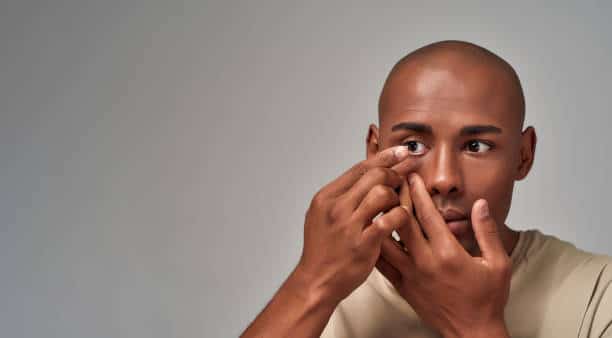
Several studies report nearly 80 percent of contact lens users have slept in their lenses at least once. While most don’t experience any eye complaints, this is a risky behavior that can lead to ocular irritation and potentially vision loss. In fact, doctors recommend that you don’t even take a short nap with contact lenses because you could face severe consequences.
Your eye’s surface is extremely sensitive, so sleeping in your contact lenses causes prolonged contact between the eye and the contact lens. Poor contact lens hygiene can cause eye redness, eye pain, discharge excessive tearing sensitivity to light and worsening and blurred vision. Researchers further suggest that keeping in your lenses for too long could even affect the shape of your eyes.
Another issue is the lack of oxygen to your eyes while you’re sleeping. While the design of contact lenses has been improved over time to allow for better oxygenation, this hasn’t resulted in a reduction in infections, like a corneal ulcer which is an open sore on your cornea which is a medical emergency.
In addition, contact lenses affect your tear film. The tear film removes debris and moisturizes your eyes when you blink. It covers the ocular surface to maintain a smooth surface for light to enter the eye and provides a protective barrier between the ocular surface and the environment. When you’re wearing contacts, they can inhibit the effectiveness of your tear film. Since you aren’t blinking in your sleep, however, debris can build up and germs can grow.
Finally, contact lenses can make it easier for microorganisms to grow and spread while you sleep. These microorganisms can come from incorrect storage of your lenses or not washing your hands before putting your lenses in. While you can reduce your risk by only putting your lenses in with clean hands and cleaning your contacts correctly, it will never drop to zero.
RELATED: 5 Things You Should Never Do To Your Eyes
The problems listed above can result in several eye issues that you need to see a doctor about. For example, you may develop conjunctivitis, corneal ulcers, or a condition that significantly reduces the flow of oxygen to your eyes known as corneal hypoxia. You can also get infections from bacteria, viruses, fungi, and parasites but the most likely is bacterial keratitis. The symptoms of bacterial keratitis include watery eyes, itchiness around the eyes, discharge from the eyes, eye pain, sensitivity to light, and blurred vision.
In more extreme cases, an infection can lead to vision loss. Sometimes, this can be alleviated with surgery but you may never have the same level of acuity again. Additionally, sleeping in your contact lenses may change the shape of your eyes in a way that prevents you from wearing them in the future.
RELATED: What’s Your Vision of the Future? 7 Tips For Healthier Eyes
If you’ve slept in your contact lenses, it’s important to get them out as soon as possible. Sometimes, they’re easy to remove but others may dry out or stick to your eyes. In the case where they’re hard to remove, it’s best to use eye drops that are approved for use with contact lenses to hydrate your eyes first. Once you’ve done that, blinking repeatedly should help to loosen the lenses. You can help the process by gently massaging your closed upper eyelid. This should be enough for you to remove the lenses easily.
It’s best to store the contact lenses for a day or two after taking them out. This gives you time to ensure that no damage has been done to your eyes. If your lenses are corrective, then you should wear glasses during this time. In case you notice any changes in your eyes, it’s best to visit your doctor for an eye exam to check for irritation or infection.
While a high percentage of people have slept in their contact lenses, many of them do that accidentally. The best way to avoid this is to include removing your lenses as part of your bedroom routine. You can tie it to an activity you would never skip such as brushing your teeth or showering. If this doesn’t work for you, it may help to set an alarm on your phone to remind you to take them out.
Once you’ve taken them out, place them in their storage case for the night. If you were wearing daily contact lenses then you can discard them.
If you’ve slept in your contact lenses before, you have a lot of company. However, everyone who does it puts their eyes at risk of infection and damage. It’s best to avoid sleeping in them but if you do, you should watch for any signs of infection and see a doctor if you need to.


By subscribing, you consent to receive emails from BlackDoctor.com. You may unsubscribe at any time. Privacy Policy & Terms of Service.