Each time you step into a grocery store, you’re bombarded with the decision to buy organic or conventional. Does it really matter? Are organic foods truly safer? Are there foods should you ALWAYS buy organic? Truth is, no one can be for sure. While the Internet is full of advice, not everyone is able to afford an organic diet all the time. Most recently, I came across the Netflix documentary, What the Health?, which appeared to push viewers off meat and promote a vegan lifestyle. Not to mention, it left viewers with endless questions surrounding what we know about food and disease.
Of course, the project isn’t the first of its kind. For example, take the “Dirty Dozen” list. In 2017, The Environmental Working Group incited a similar response with the release of their annual report, singling out produce with the highest amounts of pesticide residues.
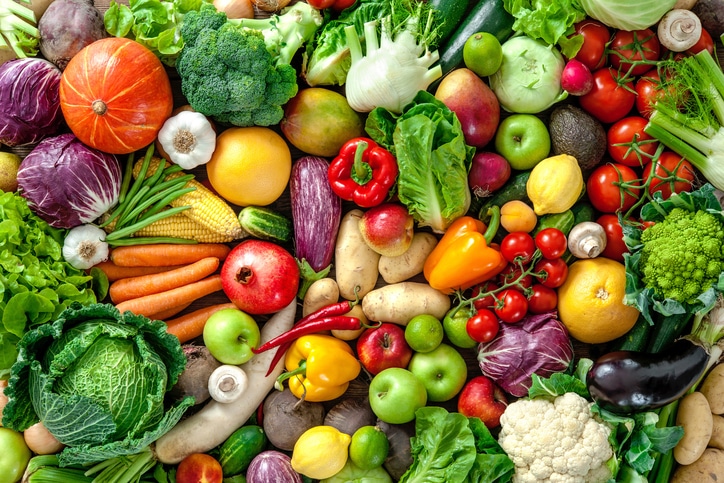
Per the report, almost 70 percent of 48 non-organic samples tested positive for at least one pesticide. A single strawberry sample harbored 20 different pesticide residues. Spinach samples had on average twice as much pesticide residue by weight than any other crop.
From that came a variety of expert opinions on which fruits and veggies you should always buy organic. Only, like many topics, others are saying don’t believe the hype.
“The Dirty Dozen makes for great headlines. Once you put ‘dirty’ in the same line as a food, the opinion is formed, context be damned. Do those fruits and veggies have more pesticide residue? Yes. But it’s like saying a runner would be twice as hydrated by drinking two drops of water than by drinking a single drop. True, but pretty meaningless,” Keith-Thomas Ayoob, EdD, RD, FAND, Associate Clinical Professor at Albert Einstein College of Medicine, tells BlackDoctor.org.
“There aren’t any fruits and veggies you should always buy organic,” he added. “This brings up the Dirty Dozen and such but in context, pesticide levels are so far below levels allowed.”
“The feds monitor this regularly — from both domestic and imported produce, from several sites around the country, so there’s geographic diversity as well. It’s called the Pesticide Data Program,” he continued. “The more people are aware of this program the better they’ll feel.”
“Why am I so concerned about this?” asked Dr. Ayoob. “I work with primarily low-income Hispanic and Black families. I don’t like it when they avoid eating fruits and vegetables because they can’t afford organic or don’t have access to organic,” he said.
“Virtually all the research on how healthful fruits and vegetables are for reducing health risks was done using conventional produce,” he continued. “People are at a far greater risk by avoiding fruits and vegetables just because they cannot afford organic.”
Furthermore, Dr. Ayoob explains that, “Organic doesn’t mean pesticide-free. There are dozens of pesticides that are allowed on organic produce. Additionally, if an organic farmer has a particularly difficult pest to eradicate, and it doesn’t respond to typical organic pesticides, the farmer is allowed — by law and under certain circumstances — to use synthetics.”
The bottom line? “I’d never encourage my patients to eat anything unsafe or anything I wouldn’t eat myself. I eat conventional produce (and far more than most people!) and sometimes I eat organic if it’s around and reasonable. But I would never avoid eating a fruit or vegetable just because organic isn’t accessible,” he said. “There’s a real trend happening that’s disturbing: the constant repeating of something so often in the culture that it becomes an accepted fact, although it isn’t.”
In other words, don’t let a good headline scare you off of essential foods needed to maintain a healthy, balanced diet.


By subscribing, you consent to receive emails from BlackDoctor.com. You may unsubscribe at any time. Privacy Policy & Terms of Service.