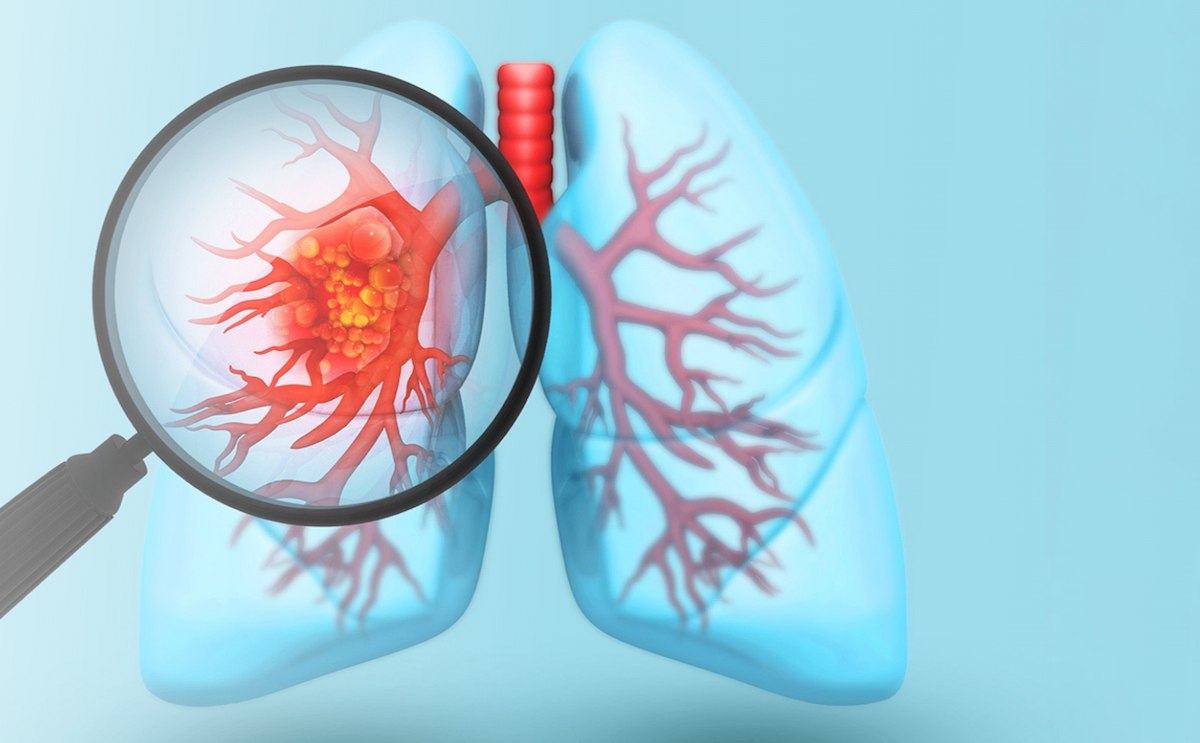
(BlackDoctor.org) — Wheezing? Short of breath? These common asthma symptoms can develop into a full-blown asthma attack if you don’t take the right steps early on. Knowing the early signs of an asthma attack will help you make the right decisions about your care.
Am I Having an Asthma Attack?
An asthma attack usually begins when common asthma symptoms suddenly take a turn for the worse. These symptoms can include:
If these symptoms then become severe or more frequent, you may be having an asthma attack. Asthma attacks can be dangerous. If an attack reaches the point where you are unable to breathe while walking or talking, you should go to an emergency room for treatment.
An asthma attack feels like you’re trying to breathe underwater. If you have never been diagnosed with asthma, but think you may have this condition or think you have experienced an asthma attack in the past, you should talk to your doctor. You will need to get an accurate diagnosis and then develop an asthma action plan so that you know what to do in the future.
If you have asthma symptoms more than two days a week, or are awakening from asthma more than two nights a month and are not on any medication, they should be.
What Causes Asthma Attacks?
Asthma attacks occur when your airways become swollen and irritated, making it hard for enough air to get in and out of your lungs. Doctors may use the term “asthma exacerbation” to describe this situation. In the lungs of people with asthma, the inside of the small airways tend to be very reactive — meaning the airways may constrict tightly during an asthma attack. But constriction isn’t the only problem. These airways also become inflamed and swollen. The exact cause of asthma is not known, but it is probably a combination of genetic risk and environmental factors.
Asthma attacks often occur in response to “triggers,” or elements in your environment that increase the irritation in your airways. Triggers are different for different people. You may be able to tell immediately if something causes asthma symptoms, or you might need to be tested for allergies to find out what is causing your symptoms.
Some of the most common asthma triggers are:
What Can I Do About Asthma Attacks?
The best way to manage asthma attacks starts with trying to prevent them:
Asthma attacks can’t always be prevented, but with guidance from your doctor, you can learn to respond quickly to manage them. When talking to your health care provider, be sure you understand the limitations of home treatment and at what point you must get emergency medical attention.


By subscribing, you consent to receive emails from BlackDoctor.com. You may unsubscribe at any time. Privacy Policy & Terms of Service.