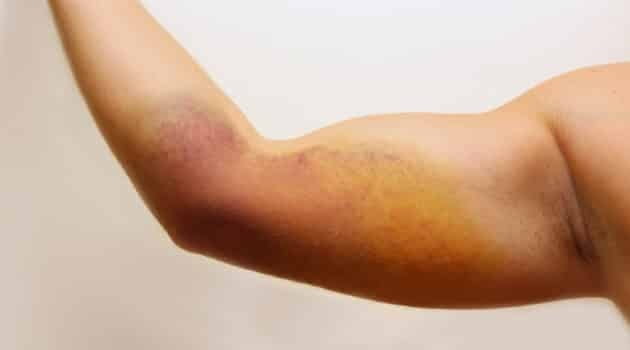
Symptoms of blood clot in leg refer to warning signs that a deep vein thrombosis (DVT) may be forming. These symptoms often include one-sided swelling, leg pain, warmth, skin discoloration, and visible veins. Early recognition is critical to prevent serious complications like pulmonary embolism.
Early signs may include:
Swelling in one leg
Pain or tenderness in the calf or thigh
Red, bluish, or pale skin
Warmth in the affected area
Bulging veins
Persistent cramping
Cyanosis (a bluish tint to the skin)
If you’ve noticed one-sided swelling or unusual leg pain that doesn’t feel like your typical sore muscle, don’t brush it off. These symptoms of blood clot in leg are often mistaken for minor injuries until they become something more serious.
Blood clots are more common than many people realize, and they can become life-threatening if ignored.
You may not hear about them often, but deep vein thrombosis (DVT) affects hundreds of thousands of Americans every year, according to the CDC.
The key is recognizing the warning signs early.
Understanding the full range of symptoms of a blood clot in the leg is critical because not every case starts with obvious, dramatic pain.
RELATED: African Americans & DVT
Blood clots form when blood thickens and clumps together inside a vein. When this happens in a deep vein of the leg, it can partially or completely block blood flow.
Here are the seven most important blood clot in leg symptoms to watch for, shared by the American Heart Association. Recognizing these symptoms of blood clot in leg early can significantly reduce the risk of complications.
Swelling is often the first noticeable sign.
It may affect:
The calf
The ankle
The thigh
Or the entire leg
Unlike general fluid retention, this swelling usually happens in only one leg, not both.
This isn’t always sharp pain. It can feel like:
A dull ache
Soreness
Tightness
Pain when standing or walking
Many people describe it as feeling like a pulled muscle, but it doesn’t improve with rest.
If you’re wondering, what does a blood clot in the leg feel like? It often feels deeper than surface muscle pain.
Your leg may look:
Red
Purple
Pale
Or slightly blue
Discoloration happens because blood flow is disrupted. When oxygen levels drop in the area, skin tone changes follow.
If one leg feels noticeably warmer than the other, that’s not random.
Inflammation from a deep vein clot increases heat around the affected area.
Veins may appear:
Larger
More raised
Hard to the touch
This happens because blood is struggling to move past the blockage.
A cramp that:
Doesn’t go away
Worsens with movement
Feels different from a typical “charley horse”
That’s worth attention.
Many people searching for blood clots in legs signs and symptoms are actually experiencing what they thought was just a stubborn calf cramp.
Cyanosis is a medical term for a bluish tint to the skin.
It signals reduced oxygen circulation and is more serious than simple redness. If toes or the lower leg appear blue or grayish, seek medical care immediately.
Beyond the visible signs, many people want to understand the physical sensation behind symptoms of a blood clot in the leg.
In many cases, symptoms of a blood clot in the leg start gradually and can feel like soreness or heaviness rather than sharp pain, notes the Mayo Clinic.
Some people describe a persistent aching sensation that doesn’t improve with rest or typical muscle remedies.
Even without dramatic pain, it’s advised that you seek medical attention if you have sensations of warmth, tightness, or heaviness.
Small clots may cause mild discomfort. Larger clots can create:
Significant swelling
Tightness
Heaviness
Throbbing pain
Some people report the leg feels “full” or unusually heavy, even without severe pain.
If you’re Googling what does a blood clot in the leg feel like, it’s usually because something feels off, and you should trust that instinct.
RELATED: How Different Types Of Blood Clots Feel
Blood clots can form anywhere in the deep veins of the leg, and the CDC reports that symptoms of blood clot in leg may vary depending on whether the clot forms in the calf or thigh.
Blood clots in the thigh often cause:
Swelling that extends from the thigh down to the calf
More intense, deep pain
Tightness or pressure higher in the leg
Skin discoloration (red, purple, or pale)
Warmth along the upper leg
Because thigh veins are larger, clots here can be more serious and more likely to travel to the lungs.
Calf Clots:
Often start with localized swelling in the lower leg
Pain may feel like a stubborn cramp
Symptoms may be milder at first
Lower immediate risk of embolism (but still dangerous)
Thigh Clots:
Swelling may involve most of the leg
Pain feels deeper and more constant
Higher risk of pulmonary embolism
Symptoms may escalate faster
If swelling involves the entire leg rather than just the calf, that raises concern for a clot higher up.
That difference matters.
Not every sore leg is a clot. But here’s how they differ:
Muscle Strain
Improves with rest
No skin discoloration
No unusual warmth
Cellulitis (Skin Infection)
Spreading redness
Fever
Tender skin
Blood Clot
One-sided swelling
Deep pain
Warmth + discoloration
Possible cyanosis
Not all symptoms of blood clot in leg require emergency care, but ignoring persistent warning signs can increase your risk of serious complications.
RELATED: 5 Simple Ways To Prevent A Blood Clot
Deep vein thrombosis (DVT) is the medical condition responsible for most symptoms of blood clot in leg, says the National Heart, Lung and Blood Institute.
DVT develops when blood flow slows down, the blood becomes more prone to clotting, or the vein wall becomes damaged. This combination is sometimes referred to as “Virchow’s triad.”
Common risk factors include:
Long flights or car rides
Surgery or recent hospitalization
Smoking
Hormone therapy or birth control
Obesity
Genetic clotting disorders
Pregnancy
Leg veins are particularly vulnerable because they must push blood upward against gravity to return it to the heart. When movement is limited, blood can pool in the lower extremities, increasing clot risk.
If part of a deep vein clot breaks loose, it can travel through the bloodstream to the lungs, causing a pulmonary embolism (PE), a potentially life-threatening emergency.
Because DVT usually affects one deep vein at a time, symptoms of blood clot in leg typically appear in only one leg. One-sided swelling and pain are key warning signs that should never be ignored.
RELATED: Flight Risk: Tips for Preventing DVT While Traveling
Pulmonary embolism (PE) is most often caused by a deep vein thrombosis in the leg that travels to the lungs. The American Heart Association agrees that you should seek urgent medical attention if you experience:
Sudden shortness of breath
Chest pain
Rapid heartbeat
Coughing up blood
Even without those symptoms, don’t “wait it out” if swelling and pain persist.
Early treatment can prevent serious complications.
Prevention is practical and powerful. Even if you’ve never experienced symptoms of blood clot in leg before, prevention habits matter, especially if you have risk factors. The Cleveland Clinic shares these great tips:
Move every 1–2 hours during long travel
Stay hydrated
Maintain a healthy weight
Wear compression socks if you’re high risk
Talk to your doctor about medication risks
If you’ve had a clot before, your prevention strategy matters even more.
RELATED: Reduce Your Risk Of Blood Clots With These 5 Stretches
[saswp_tiny_multiple_faq headline-0=”h3″ question-0=”Can symptoms of blood clot in leg come and go?” answer-0=”They can fluctuate, but true DVT symptoms usually persist or worsen rather than disappear completely.” image-0=”” count=”1″ html=”true”]
[saswp_tiny_multiple_faq headline-0=”h3″ question-0=”Can you have a blood clot without pain?” answer-0=”Yes. Some clots cause swelling or discoloration without severe pain.” image-0=”” count=”1″ html=”true”]
[saswp_tiny_multiple_faq headline-0=”h3″ question-0=”Can walking make a blood clot worse?” answer-0=”Light movement does not typically worsen symptoms of blood clot in leg, and doctors often encourage gentle walking once treatment begins. If you suspect a deep vein thrombosis, avoid strenuous activity and seek medical evaluation before continuing exercise.” image-0=”” count=”1″ html=”true”]
[saswp_tiny_multiple_faq headline-0=”h3″ question-0=”How long can you have a blood clot in your leg without knowing?” answer-0=”Some people may have symptoms of blood clot in leg for several days before recognizing them. Mild swelling, cramping, or heaviness can be mistaken for a muscle strain. However, untreated deep vein thrombosis (DVT) can worsen over time and increase the risk of pulmonary embolism, so persistent one-sided symptoms should always be evaluated.” image-0=”” count=”1″ html=”true”]
[saswp_tiny_multiple_faq headline-0=”h3″ question-0=”Are blood clots in both legs common?” answer-0=”No. Most occur in one leg only.” image-0=”” count=”1″ html=”true”]
[saswp_tiny_multiple_faq headline-0=”h3″ question-0=”What does a blood clot look like?” answer-0=”Externally, you may see swelling, redness, or bluish discoloration. Internally, clots are not visible without imaging tests.” image-0=”” count=”1″ html=”true”]
[saswp_tiny_multiple_faq headline-0=”h3″ question-0=”Is cyanosis always a medical emergency?” answer-0=”Bluish skin from poor circulation should always be evaluated urgently.” image-0=”” count=”1″ html=”true”]


By subscribing, you consent to receive emails from BlackDoctor.com. You may unsubscribe at any time. Privacy Policy & Terms of Service.