Joint pain is often associated with rheumatoid arthritis (RA). However, this condition can manifest in various unique and unexpected ways that might not immediately scream “arthritis.” This is due in part to the fact that this disease can attack healthy tissue throughout the body.
In this article, we’ll explore some unusual and lesser-known symptoms that come with rheumatoid arthritis.
Bruising occurs when blood vessels under the skin break or rupture, leading to the appearance of discoloration. In rheumatoid arthritis, the immune system’s inflammatory response can weaken blood vessels and make them more prone to damage. Additionally, the chronic inflammation associated with RA can affect the blood’s clotting ability, making it easier to bruise.
The following factors can contribute to bruising easily if you are living with RA:
“Your doctor can conduct a physical exam and do a complete blood count to determine whether you have low platelet levels due to the disease or to medication, and perhaps recommend treatment alternatives,” explains Rochelle Rosian, MD, a rheumatologist with the Cleveland Clinic in Vero Beach, Florida. Some of the treatment alternatives may include managing your medications.
RELATED: 10 Surprising Ways Arthritis Can Affect Your Whole Body
The following can lead to RA-related weakness and fatigue:
Your doctor can order a complete blood count to determine whether you have ACD. Typically, doctors will focus on treating the chronic illness that’s causing ACD. For people with ACD caused by RA, that means He or she will most likely focus on treating the cause of your ACD and underlying inflammation with disease-modifying antirheumatic drugs (DMARDs), according to Everyday Health.
Skin conditions and rashes are not uncommon in individuals with RA. Everyday Health notes that up to 25 percent of people with RA develop rheumatoid nodules — lumps of tissue under the skin — and many also experience itchy hands and feet and skin rashes.
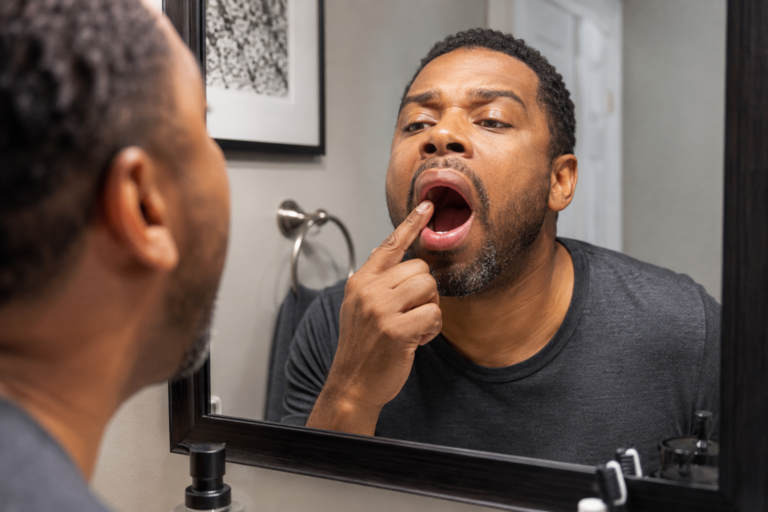
If you are experiencing painful rashes, skin ulcers, or mouth sores, this may be a sign of a more serious condition related to RA — vasculitis, or inflammation of blood vessels. In this case, you should see a doctor so that you can undergo a biopsy.
Itchy dry eyes can be a bothersome symptom associated with RA. They can be caused by conditions like keratoconjunctivitis sicca, or dry-eye syndrome.
You should talk to your ophthalmologist (eye doctor) about treatment if you have dry eyes. Dry eye, which can cause blurred vision, occurs more often in women than in men, notes the American Academy of Ophthalmology. A humidifier or consider preservative-free eye drops may help your eyes.
“Start with over-the-counter lubricating ones, but if these don’t help, ask your ophthalmologist about a prescription for immunosuppressive eye drops like Restasis (cyclosporine),” Jonathan Greer, MD, a rheumatologist with Arthritis & Rheumatology Associates of Palm Beach in Florida tells Everyday Health.
Chest pain associated with rheumatoid arthritis can be attributed to various factors related to the disease and its complications.
It’s crucial to differentiate between chest pain caused by RA and other cardiac or respiratory issues. Always consult a medical professional for accurate diagnosis and treatment.
Possible Causes of Chest Pain in RA include:
If you experience chest pain, especially if it’s severe, prolonged, or accompanied by other concerning symptoms like shortness of breath or dizziness, seek medical attention immediately. A healthcare provider will conduct a thorough evaluation to determine the cause of your chest pain. Be prepared to provide details about your RA history, symptoms, and any medications you’re taking.
RELATED: 11 Arthritis-Friendly Tools That Make Daily Life Easier
Rheumatoid Arthritis (RA) can affect various joints in the body, including those in the ankles and feet. Soreness and discomfort in these areas can significantly impact your mobility and quality of life. Bunions, hammertoe, bursitis, Charcot arthropathy, plantar fasciitis, rheumatoid nodules, and heel pain are all foot issues that can be caused by RA. Medications such as DMARDs, physical therapy, different footwear, braces, orthotics, or surgery can help.
Numbness and tingling sensations in the hands, also known as paresthesia, can occur when the nerves are affected by inflammation or compression. In RA, inflammation of the joints and surrounding tissues can lead to nerve irritation, resulting in these uncomfortable sensations.
If your hands feel like they’re burning or numb, it may be a sign of carpal tunnel syndrome (CTS), which is a problem with the nerve that runs from the wrist to the fingers that occurs in people who have RA, according to CreakyJoints.
If you notice any changes to how you hands feel, talk to your healthcare provider. Treatments such as wrist splints worn at night, steroid injections, adjustments to RA medication, or surgery can help preserve your hand function.


By subscribing, you consent to receive emails from BlackDoctor.com. You may unsubscribe at any time. Privacy Policy & Terms of Service.