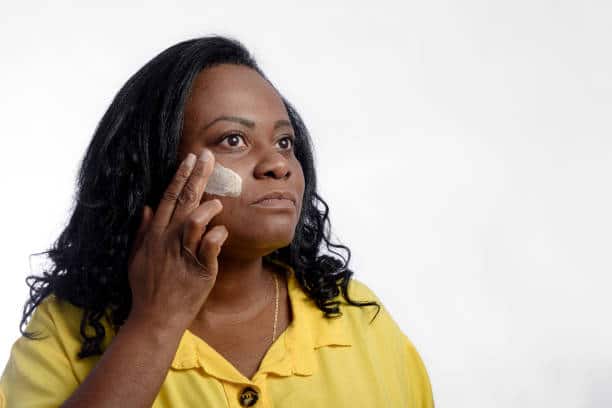
Seborrheic dermatitis can be a frustrating and persistent skin condition. Whether it’s the red, flaky patches on your scalp or the greasy-looking scales around your nose, dealing with this condition can be uncomfortable and embarrassing. But don’t worry! With the right treatments and strategies, you can get relief fast and keep those flare-ups under control.
In this article, we’ll explain what seborrheic dermatitis is, why it happens, and—most importantly—how you can manage it quickly and effectively.
Seborrheic dermatitis is a chronic skin condition that often targets oily areas of your body, like the scalp, face, chest, and upper back. It typically causes:
You might be familiar with terms like “dandruff” or “cradle cap” (in infants), which are forms of seborrheic dermatitis. The condition is not contagious but can cause discomfort and affect your self-esteem.
There’s no single cause, but experts believe seborrheic dermatitis happens due to a combination of factors, such as:
Certain conditions, like Parkinson’s disease and a weakened immune system, are also associated with more severe cases of seborrheic dermatitis.
Now, let’s dive into how you can get quick relief from seborrheic dermatitis. The goal is to reduce inflammation, clear up the scales, and manage flare-ups. Below are some of the most effective treatments that offer fast results.
If seborrheic dermatitis affects your scalp, over-the-counter medicated shampoos can provide fast relief. Look for ingredients like:
Use these shampoos 2-3 times per week, massaging them into your scalp and leaving them on for 5-10 minutes before rinsing. This ensures the active ingredients have time to work.
For seborrheic dermatitis on the face or body, topical antifungal creams such as ketoconazole or clotrimazole can provide quick relief. These creams work by reducing the yeast levels on your skin, which helps to decrease inflammation and scaling.
Apply the cream to affected areas once or twice daily, depending on your doctor’s recommendation. You should notice an improvement within a few days.
When the inflammation is severe, doctors may recommend a short course of low-potency corticosteroid creams (e.g., hydrocortisone). These creams are effective at reducing redness, swelling, and itching quickly. However, because steroids can thin the skin if used long-term, they are usually prescribed for only a few days at a time.
Make sure to apply the steroid cream as directed and only use it in the areas where the inflammation is most pronounced.
In addition to medicated treatments, several home remedies can help soothe symptoms of seborrheic dermatitis and speed up recovery:
While these remedies may not be as fast-acting as medicated treatments, they can provide gentle relief, especially when combined with other therapies.
Keeping your skin hydrated is essential for managing seborrheic dermatitis. Use a non-greasy, hypoallergenic moisturizer to prevent dryness and reduce scaling. Products containing ceramides or hyaluronic acid can help maintain the skin’s barrier function, keeping moisture in and irritants out.
Be sure to choose a moisturizer that is non-comedogenic (won’t clog pores) to avoid aggravating the condition.
Stress is a well-known trigger for seborrheic dermatitis flare-ups. Practicing stress-reducing techniques like yoga, meditation, or deep breathing exercises can help keep your symptoms under control.
Additionally, paying attention to your diet and getting enough sleep can make a difference in how often flare-ups occur.
While getting fast relief is essential, seborrheic dermatitis is a chronic condition that tends to come and go. To reduce the frequency of flare-ups, consider these long-term strategies:
If your symptoms are persistent or severe, consult a dermatologist. They can provide tailored advice and treatments to manage your condition effectively.
Seborrheic dermatitis may be chronic, but with the right treatment, you can quickly find relief from symptoms like itching, redness, and flaky skin. From medicated shampoos and antifungal creams to soothing home remedies, there are plenty of options to help you manage flare-ups fast.
By taking proactive steps to care for your skin and manage stress, you can keep seborrheic dermatitis under control and enjoy healthier, more comfortable skin every day.


By subscribing, you consent to receive emails from BlackDoctor.com. You may unsubscribe at any time. Privacy Policy & Terms of Service.