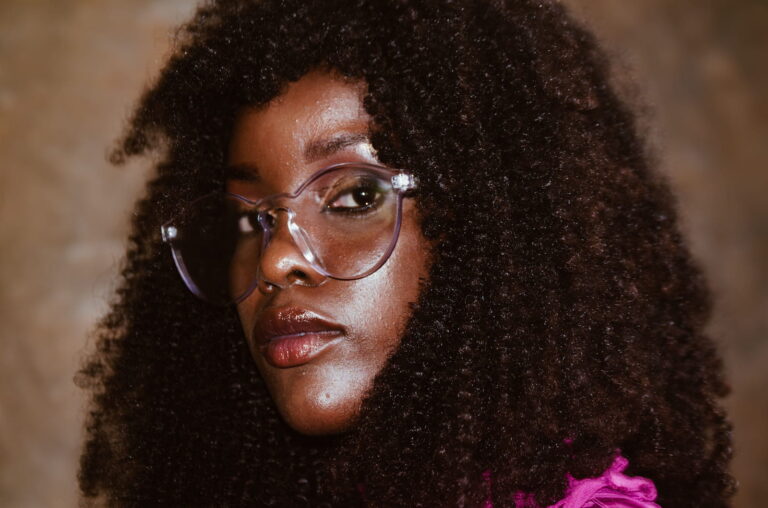
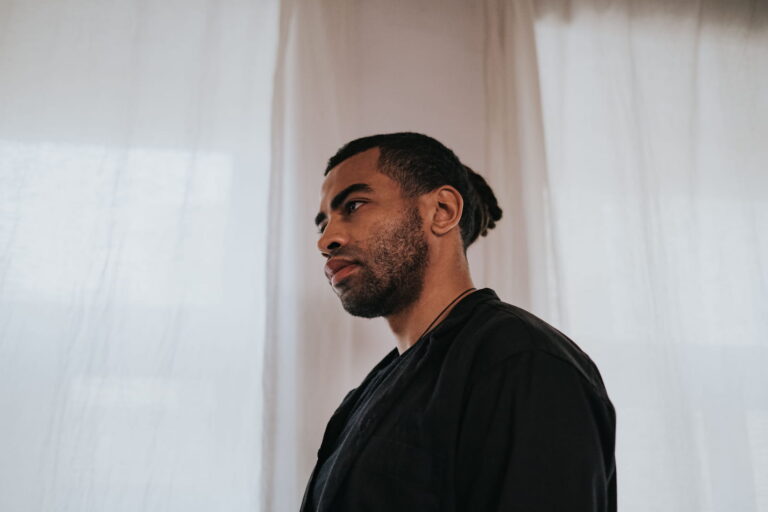
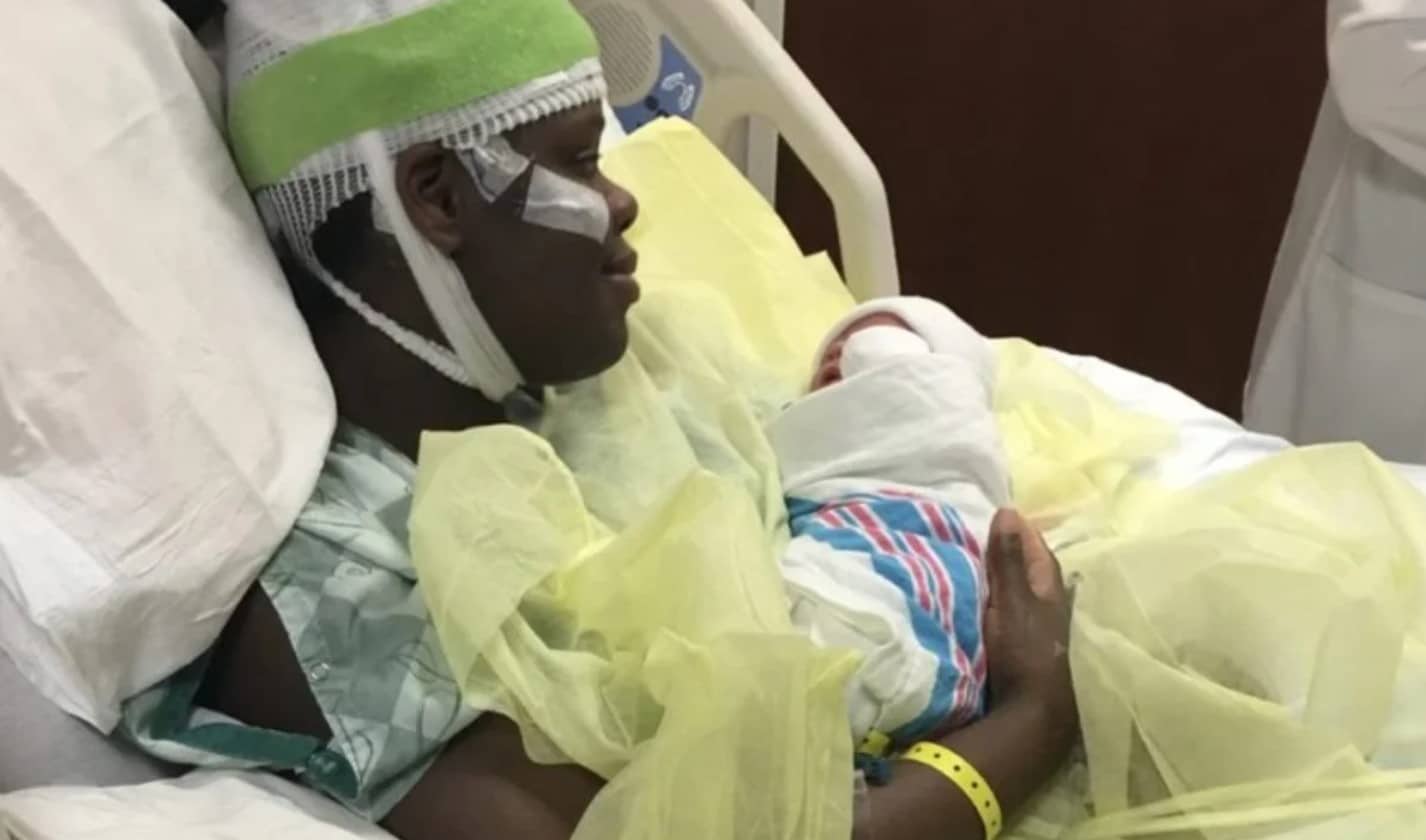
 PHOTO COURTESY OF LESLIE JORDAN/ESSENCE
UPDATE: Click here to read Leslie Jordan’s update on her recovery process.
Oftentimes, when we lose a family member to a disease, it inspires our own health journey. That was the case for Leslie Jordan, whose family is full of doctors and nurses.
She learned about heart disease at a young age after losing several family members.
“Watch out for diabetes. Look out for your blood pressure, hypertension. Those were things I learned at a young age,” she tells ESSENCE. “I never thought I would have to use the knowledge.”
Unfortunately, she would have to use the knowledge.
After becoming pregnant with her first child, Jordan was in high spirits. Because she had been healthy her whole life, she believed she would be fine.
Despite being healthy and remaining healthy throughout her pregnancy, the 38-year-old was diagnosed with preeclampsia.
“I was absolutely devastated,” she recalls. “I had done everything I could to have the healthiest pregnancy. Even some of the dietary restrictions, I followed. I added to my diet. I was exercising. I was doing everything. So when I got the diagnosis it was like, ‘What are you talking about?’”
RELATED: A Joyous Birth, Followed by Heart Failure
As she neared the end of her pregnancy, Jordan remained optimistic, leaning closely on her obstetrician, who assured her that she would be fine. In 2018, Jordan had a successful delivery, giving birth to a healthy boy. Although this should have been the happiest time in her life, she immediately felt her health decline after giving birth.
“I didn’t know what to expect. I just had a baby, maybe this is how you feel,” she recalls thinking, according to ESSENCE. “I was like, let me just rest, relax and be in the moment. The baby is healthy, passing all his tests. That’s what’s important.”
Several hours later, she was dealing with a headache that wouldn’t cease and trying to recover from the birth. Her condition worsened. She was prescribed several medications while doctors ran tests to figure out what was going on with her.
Her condition was so bad that at one point, she couldn’t even lift her head.
“I literally had to hold my neck. I just didn’t have the strength to hold my head up at all,” she shares.
After hearing about the strong medication Jordan had unsuccessfully taken, a nurse tracked down a neurologist. He came in to discover a panicked Jordan experiencing pain that felt like her body was on fire.
“I started talking and I could hear myself. I’m like, I don’t sound like this,” she says. “My speech started slurring. It was really hard to formulate the words. The next thing I knew, the fire got so bad.” Right before she blacked out, Jordan managed to fearfully shout the first thing that came to mind: “I’m having a stroke!”
It turns out Jordan was right. She had actually suffered a series of major strokes and blacked out multiple times.
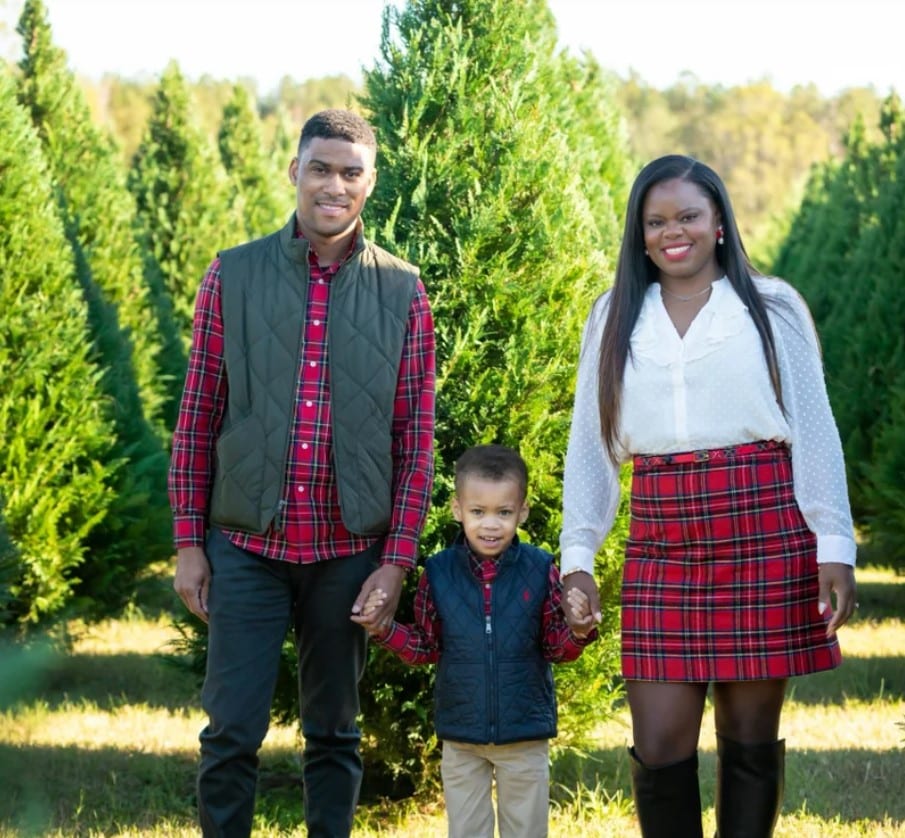 NEST PHOTO STUDIO CHARLOTTE, NC PHOTO COURTESY OF LESLIE JORDAN/ESSENCE
The aftermath included some brain damage and an initial inability to move her body. She also struggled to talk and walk. It was traumatic, but the fact that she survived was nothing short of a miracle, according to doctors.
The road to recovery is going to be a long, ongoing journey both mentally and physically for Jordan, who doesn’t remember many of the moments that occurred after her stroke, including her son’s earliest days.
“I don’t remember the first three years of my son’s life,” she says.
The good news is she has pictures, which have played a vital role in helping her recall things.
Almost five years later, Jordan hasn’t returned to work and is still working her way back through physical rehab. During these past few years, Jordan jokingly says that she and her son were raised together as she worked to relearn how to do the basics. Although she can’t drive yet, she hopes to be able to do so in another year or so.
“I’m still trying to get to a place where I feel like myself,” she adds. “I know I’m not going to get back to where I was. I’m ok and have made peace with that, but I at least want to get back to feeling whole.”
Even though she still has some work to do on her recovery journey, she remains grateful for the progress she has made, which has given her a new perspective on life. Her balance is getting better, her way of thinking is also improving, the seizures that followed her stroke are no longer violent, and she feels more comfortable being left at home alone.
“I’ve gotten a lot of beautiful blessings out of this. I’ve grown as a person. I have been able to realize what’s important in life and not spend so much time on things that I just thought were important,” she says.
Cardiovascular disease is the leading cause of death worldwide and in the U.S., according to the Cleveland Clinic.
You may be more likely to develop cardiovascular disease if you have risk factors such as:
Cardiovascular disease also puts you at a higher risk of experiencing a stroke and largely affects women.“Cardiovascular disease affects one in three women. I’m proud to support the American Heart Association for the Go Red Women movement. Their initiative is to end cardiovascular disease for all women. I want everyone to be proactive so they don’t end up a survivor like me,” says Jordan, who learned that she has cardiovascular disease after the stroke.
“I got a second chance. I didn’t have to live,” Jordan says. “I just encourage everyone to know that if you’ve been in a situation where you could no longer be here but you are here, focus on living. I have purpose. There’s a reason I’m still here, and I feel my testimony is part of my purpose.”
Her advice to others? Get your annual checkups and have your bloodwork done. She also advises getting your heart checked, knowing your blood pressure, cholesterol, BMI, and sugar levels, and trying to adopt a healthier lifestyle.

By subscribing, you consent to receive emails from BlackDoctor.com. You may unsubscribe at any time. Privacy Policy & Terms of Service.