For more than 30 years, I’ve helped individuals and couples build their families. During that time, I‘ve learned that infertility doesn’t discriminate. It affects people of every race, ethnicity, income level, and community.
There is a frustratingly persistent myth that infertility is uncommon among Black women. This unfortunate misconception can delay conversations, referrals, diagnosis, and ultimately, treatment.
If you’re a Black woman having difficulty becoming pregnant, you deserve answers. The sooner you seek answers, the more options you may have.
Here’s what I wish every Black woman knew about fertility.
Black women experience infertility at rates similar to other populations, yet studies show they often wait much longer before seeing a fertility specialist. By the time many reach my office, they’ve spent months—or years—trying to conceive and have lost valuable time.
Misinformation is part of the problem. Some women assume infertility does not affect Black families or believe they simply need to keep trying. Providers may also delay referrals because of incorrect assumptions about fertility, treatment interest, or ability to pursue care.
If you’ve been trying to conceive for 12 months without success—or for six months if you’re over 35—it’s time to ask directly your healthcare provider about a fertility evaluation.
Many women spend years preventing pregnancy, only to find conceiving is harder than expected. Fertility naturally declines with age for every woman, regardless of race or ethnicity, as egg number and quality decline. Understanding this critical truth sooner rather than later helps women make family-planning decisions while they still have options.
If you’re not ready for children now but want that possibility someday, talk with your provider about your reproductive goals and whether fertility preservation makes sense.
Certain medical conditions deserve attention because, left untreated, they can affect fertility.
One example is uterine fibroids, which Black women are significantly more likely to develop, according to multiple sources including the Mayo Clinic. Many do not affect pregnancy, but some can make conception harder depending on their size and location.
Severe menstrual pain is another potentially problematic symptom. More than something women should address to improve their quality of life, it may also signal endometriosis, a condition that can affect fertility and is sometimes missed or mistaken for other conditions.
Persistent pelvic pain, pain during intercourse, irregular cycles, prior pelvic infections, or pelvic surgery should be discussed with a physician. Early identification can help preserve fertility and address any issues.
Another misconception is that infertility is primarily a woman’s problem. Male factors contribute to 30 to 50 percent of infertility cases, so fertility evaluations should include both partners. Reducing stigma around male infertility helps couples find answers and begin treatment sooner. A semen analysis, for example, is simple and can provide early answers.
Multiple studies and clinical reviews, including the National Institutes of Health, confirm that racial disparities persist in fertility care. Fibroids, access to care, treatment delays, environmental factors, and broader healthcare inequities all play a role. Every patient deserves a physician who understands their history, evaluates conditions that could affect fertility, and develops a plan based on their individual circumstances.
Many people assume fertility care is widely available because large cities have multiple fertility centers. But access involves more than geography.
Patients may need transportation, time off work, childcare, flexible schedules, and insurance coverage to complete treatment. Even in states with insurance mandates, access gaps remain. A January 2024 Boston IVF study found mandates alone did not eliminate disparities.
In many parts of the country, patients must travel hours to reach a fertility specialist. Expanding insurance coverage, specialist access, and equitable care remain priorities to expanding access.
It is well-documented in public health and environmental justice literature that communities of color are more likely to be exposed to environmental toxins, including lead and endocrine-disrupting chemicals, that may affect reproductive health.
While many exposures are beyond a person’s control, these risks reinforce the need for preventive care and early evaluation when concerns arise.
One of the most important things you can do is ask questions.
The conversation around infertility in the Black community is changing. Awareness is growing, more women are seeking care, treatments continue to advance, and insurance coverage is expanding. Most importantly, infertility is increasingly recognized as a medical condition, not a personal failure. Every patient story is different, and every family-building journey is unique. Patients deserve physicians who understand their concerns, explain options without judgment, and help them make informed decisions. My hope is that more Black women feel empowered throughout their reproductive journey.
Building a family may not happen the way you imagined. But you deserve accurate information, compassionate care, and every opportunity to make informed decisions about your future.
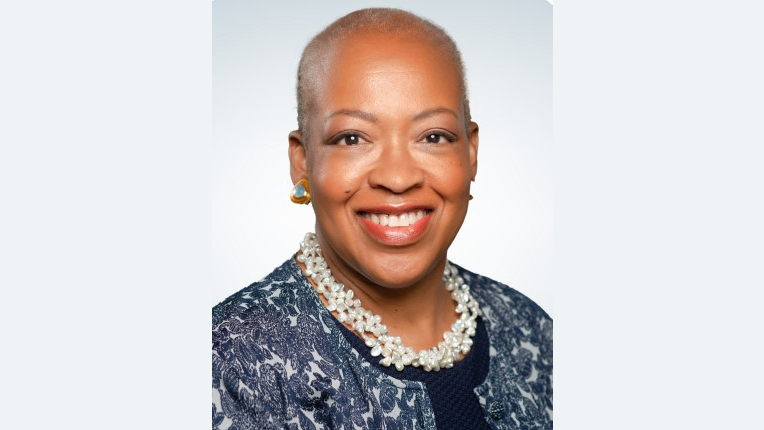
Dr. Kim Thornton is a board-certified Reproductive Endocrinologist at Boston IVF and an Assistant Professor at Harvard Medical School.

By subscribing, you consent to receive emails from BlackDoctor.com. You may unsubscribe at any time. Privacy Policy & Terms of Service.