There are many ways to a healthy diabetes plate, so stop worrying about which diet is he perfect diet for diabetes. The American Diabetes Association says the principles of a healthy diet are the same for people with diabetes as they are for everyone else. And, most importantly, having diabetes doesn’t mean the end of good eating.
The following tips – as surprising as they may be—will help you live well with diabetes and enjoy the taste of eating right.
There is no on-size-fits-all or right way for a person with diabetes to eat. Nor are there bad foods that have to be eliminated forever. When your blood sugar is in control, you can work any food in and enjoy it.
However, if you’ve had several days with very high blood sugar readings, that’s not the best time to have dessert. When you do have sugary treats, be sure to keep the amount within your carbohydrate budget by substituting those sweets for starch, fruit, or milk in your diet.
Contrary to popular belief, having diabetes does not translate into having to eat sugar- free versions of everything. I tell my clients to avoid too many sugar-free foods.
That’s because many sugar – free cookies, candy, cakes and pies are sweetened with sugar alcohols. Eating too many of these foods can cause diarrhea and upset stomach. Satisfy you sweet tooth naturally with sweet fruit instead.
A study published in the Journal of Consumer Research found that the larger
your fork and bigger your bite when you eat, the less you will probably eat. Translation: weight loss!
And losing weight is one of the best ways to manage type 2 diabetes. In fact, losing as little as 10-15 pounds is enough to improve blood sugar levels.
Weight loss can also decrease insulin resistance in both type 1 and type 2 diabetes, which means you may require less oral diabetes medications and/or insulin to control blood sugar levels. So open wide and eat up.
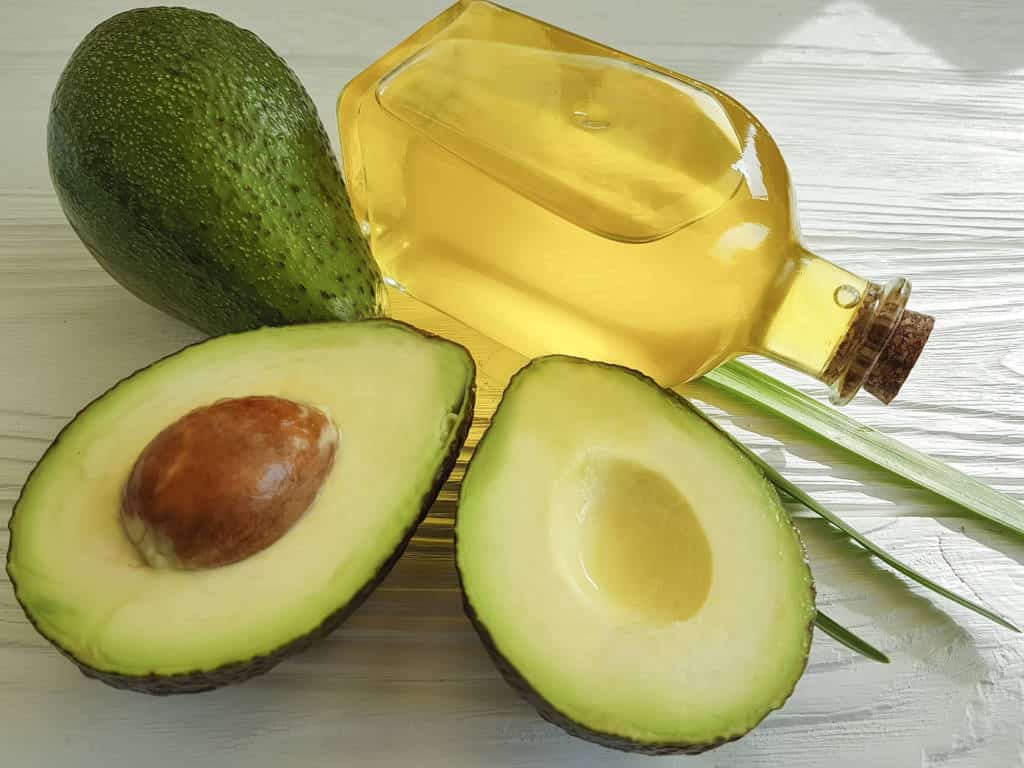
Many people with diabetes (and lots of folks without it) believe fat is harmful. However, research has shown that replacing carbs with healthy fat reduces triglycerides – the major storage form fat in the blood, and after-meal blood sugar. So go ahead and include moderate amounts of healthy fats such as those found in avocados, and olive and canola oils.
People with diabetes used to be encouraged to eat every few hours to keep their energy up and control blood sugar. But for some people, snacking just means more opportunities to overeat.
Years ago, when there were few diabetes medications, snacking was required to avoid low blood sugar. Today, there are so many options for oral medication and insulin that snacking is rarely necessary.
Eating a daily dose of nuts has been shown to help maintain healthy levels of blood sugar and cholesterol. You can add chopped almonds to Greek yogurt and sprinkle with cinnamon for breakfast; at lunch add peanuts as a side to a sandwich and at dinner sprinkle walnuts on salad or top baked fish with walnuts or pistachios. Nuts aren’t low in calories, so trying using nuts in the shell. You’ll eat fewer if you have to crack each one open.
The “plate method” can take much of the stress out of diabetes meal planning. When you serve yourself a meal, make half your plate non-starchy vegetables, like spinach, cabbage, collards, or broccoli; fill a quarter of your plate with starchy vegetables, like potatoes, rice or pasta; and fill the last quarter with fish, poultry or meat.

Constance Brown-Riggs, is a registered dietitian, certified diabetes educator, national speaker and author of the Diabetes Guide to Enjoying Foods of the World, a convenient guide to help people with diabetes enjoy all the flavors of the world while still following a healthy meal plan. Follow Constance on social media @eatingsoulfully



By subscribing, you consent to receive emails from BlackDoctor.com. You may unsubscribe at any time. Privacy Policy & Terms of Service.
Enter your name and email to receive the download link.