Sound baths have swept the wellness world, often praised as effortless escapism and deep healing—or dismissed as trendy pseudoscience. So, what are they exactly? Are they rooted in cultural traditions or just another wellness fad? And most importantly, could they be right for you? Let’s break it down.
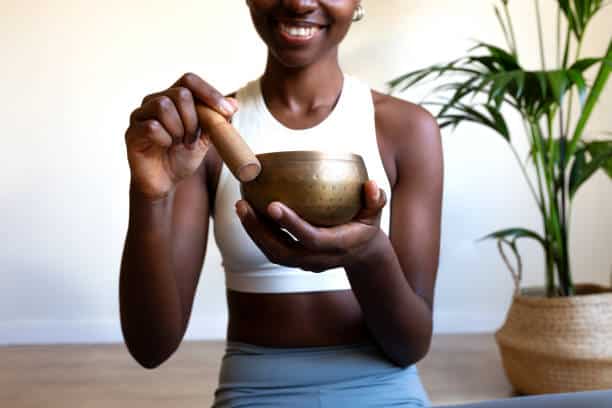
In a sound bath, participants—usually lying down in a comfortable pose such as Savasana—are immersed in waves of sound from instruments such as gongs, tuning forks, crystal or Tibetan singing bowls, chimes, percussion, rattles, or even the human voice. The sounds don’t follow melody or rhythm like traditional music; instead, it’s a wash of resonant tones and overtones designed to help the brain let go and release tension.
Sessions often begin with a grounding or guided meditation, followed by the sound immersion, and then a slow return to wakefulness—sometimes with suggestions to hydrate and rest. Participants may experience anything from deep relaxation, muscle release, and emotional release to shifted brainwaves, altered states of consciousness, and improved sleep.
Far from being an Instagram-born trend, the idea of sound healing spans millennia and cultures. Tibetan singing bowls, for example, have been used in religious ceremonies, meditation, and chakra work since as early as the 5th century BC. Likewise, in ancient Greece, music was prescribed—literally used as medicine.
Across the globe, traditions harness sound for healing and spiritual purposes: Native American tribes drum and chant in ceremonies; Amazonian shamans sing medicine songs (icaros); Hindu and Buddhist traditions chant mantras; and Aboriginal Australians use the didgeridoo in healing practices.
Modern sound baths draw from these rich traditions, adapted into a meditative wellness practice that resonates with contemporary seekers.
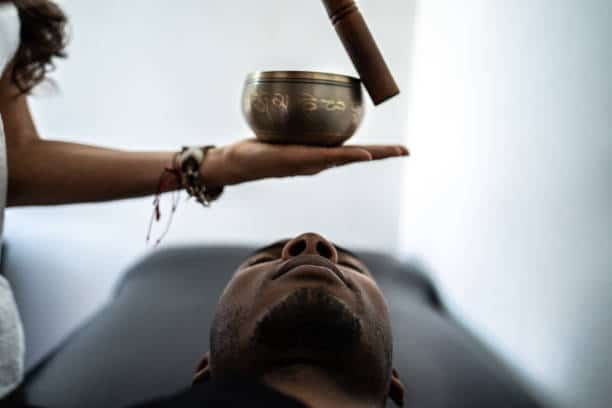
TikTok has played a huge role in bringing sound baths into mainstream awareness. Videos tagged “sound bath” across the platform as immersive sound therapy experiences that bring mental clarity and calm to viewers. Many creators share their personal experiences of tension melting away amid frequencies that soothe the nervous system and activate the parasympathetic response (rest and digest).
This visual and visceral presentation has helped normalize sound baths—as something that’s accessible, digestible, and even ideal for those who “can’t meditate.” The trend seems to reflect a broader desire for healing that’s gentle, sensory, and immediate.
Scientifically, much of the support remains preliminary or anecdotal. Some systematic reviews suggest potential benefits—like improved mood, lower blood pressure, reduced pain—but emphasize the need for more rigorous studies. Cleveland Clinic notes that sound baths should be considered complementary therapy, not a substitute for medical treatment.
That said, many doctors have acknowledged the calming effects of ambient sound and music. And technologies like ultrasound are daily reminders that sound has real applications in healing—even if not directly parallel to spiritual sound practices.
That said, the trendiness can lead to inflated claims—some practitioners liken sound baths to acupuncture or energy healing without clear evidence backing those assertions. Costs vary—studios charge $30–50 per session, with specials and private sessions costing more. And the novelty can overshadow sound masks or cheap YouTube tracks—though those can still offer value for home practice.

Consider a sound bath if any of the following resonate:
When to Skip or Modify It
The real question—are sound baths truly healing, or just hype?—doesn’t have a one-size-fits-all answer.
Many people find sound baths powerful because they create conditions where the body can downshift into deep relaxation. In a culture of constant digital stimulation, it’s rare to disconnect, lie down, and simply receive. This alone can explain why participants often describe profound shifts in mood, clarity, and energy.
Some critics argue that the benefits might largely be a placebo. But a placebo is not “fake”—it’s the body’s very real ability to heal itself when belief and ritual are involved. In fact, studies show placebo responses can lower stress hormones and improve pain tolerance. If sound baths encourage that healing state, even skeptics might see it as valuable.
Healing isn’t always individual. Group sound baths create collective resonance—dozens of people breathing and releasing tension together. This social and energetic dimension may enhance the experience, echoing ancient communal healing practices from West African drumming circles to Indigenous chanting traditions.
The truth may lie somewhere in between: sound baths don’t replace medicine, but they can be powerful complements—especially for those seeking peace, presence, and embodied connection.


By subscribing, you consent to receive emails from BlackDoctor.com. You may unsubscribe at any time. Privacy Policy & Terms of Service.