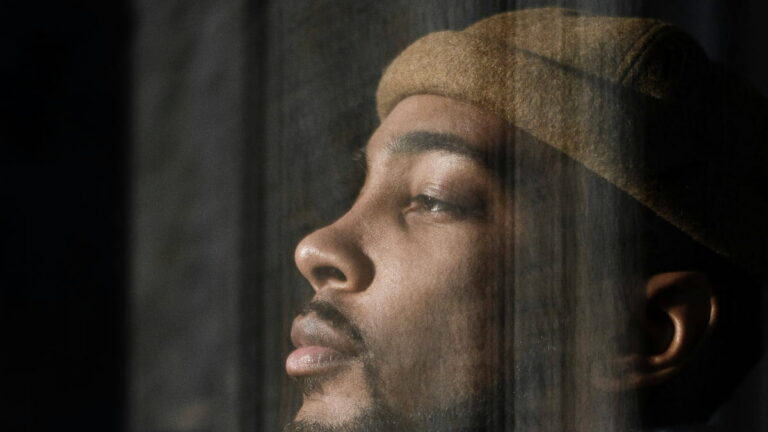
R&B star and television personality Ray J has issued a sobering health update to the public after a recent hospitalization in Las Vegas. In late January 2026, the 45-year-old revealed via social media that his heart is functioning at only about 25% of its normal capacity, and that his doctors warned he may only have months to live if his condition continues to deteriorate.
This comes after Ray J was rushed to the hospital earlier in January with severe pneumonia and heart pains, conditions serious enough to require extended monitoring and tests such as X-rays and echocardiograms.
The star says he’d down multiple bottles in one night, feeling invincible … but the hard partying lifestyle’s caught up to him — and essentially turned his heart “black.” In one part of his talk, Ray J said that doctors gave him the heart medications Jardiance, Entresto, and the cholesterol medication Lipitor. Ray J’s medical team wants him to quit drinking and smoking. They’ve also warned him that he may need a pacemaker.
Ray J says he’s going to Haiti in about 2 weeks as a last-ditch effort to find a treatment to keep him alive — which shows how desperate he is … because the island nation is in an ongoing state of turmoil, and the U.S. State Department warns Americans not to travel to the country.
His frank posts on social media — including emotional reflections on past lifestyle choices and gratitude for family support — have sparked a wider discussion about serious heart conditions, what they mean medically, and how the average person can work toward better heart health.
The heart’s ability to pump blood effectively is often measured by something called ejection fraction (EF) — the percentage of blood the heart pumps out with each beat. A normal EF is about 55 – 70 %. When a heart is functioning at 25 % capacity, that typically signals significant cardiac dysfunction, often associated with heart failure or severe stress on the heart muscle.
If left untreated or unaddressed with lifestyle changes and medical care, low heart function can increase the risk of dangerous complications, including life-threatening arrhythmias or progressive heart failure.
According to his public comments and media reports:

While Ray J’s situation is extreme and personal, some of the core medical issues he’s facing are ones that many other Black men can take seriously before they develop into crisis.
Heart disease remains the top cause of death in the U.S. across most racial and ethnic groups, including non-Hispanic Black men.
Non-Hispanic Black adults have higher heart disease death rates than the overall U.S. population. For example, in 2022, the age-adjusted heart disease death rate per 100,000 population was 377.0 for Black men compared with 272.4 for all men overall.
High Blood Pressure (Hypertension):
Black adults are diagnosed with high blood pressure at higher rates than the total U.S. adult population — about 34.5 % vs. 27.3 %.
Blood Pressure Control:
Black adults with hypertension are less likely to have their blood pressure under control compared to the broader population.
Nearly 60 % of Black adults aged 20 and older have some form of cardiovascular disease (including coronary heart disease, hypertension, stroke, or heart failure) — a higher prevalence than the approximately 49 % seen in all U.S. adults.
Factors that increase the risk of heart disease include:
Managing these through regular check-ups and screenings is key to early detection and prevention.
Here are daily habits that support heart health:
Regular medical check-ups are essential. Conditions such as high blood pressure or diabetes often show no symptoms but quietly damage the heart over time. Early treatment can dramatically reduce long-term risks.
Support and Perspective
Ray J’s candid discussion of his health has gone viral not just because he’s a celebrity, but because it highlights how lifestyle factors and medical care intersect. Heart function this low is not something to ignore, but it’s also a call to action for anyone who may be at risk.
If you or someone you know has symptoms like shortness of breath, chest discomfort, fatigue, or swelling, seek medical evaluation — especially if there are known risk factors.
Ray J’s situation is a stark reminder that heart health isn’t something to take for granted — even in younger adults. Early detection, lifestyle changes, and consistent medical care can change the course of cardiovascular health.
Let his story be a prompt to:


By subscribing, you consent to receive emails from BlackDoctor.com. You may unsubscribe at any time. Privacy Policy & Terms of Service.