Menu

Millions of Bags of Cheese Recalled in Walmart, Target, Aldi & More

Table of Contents

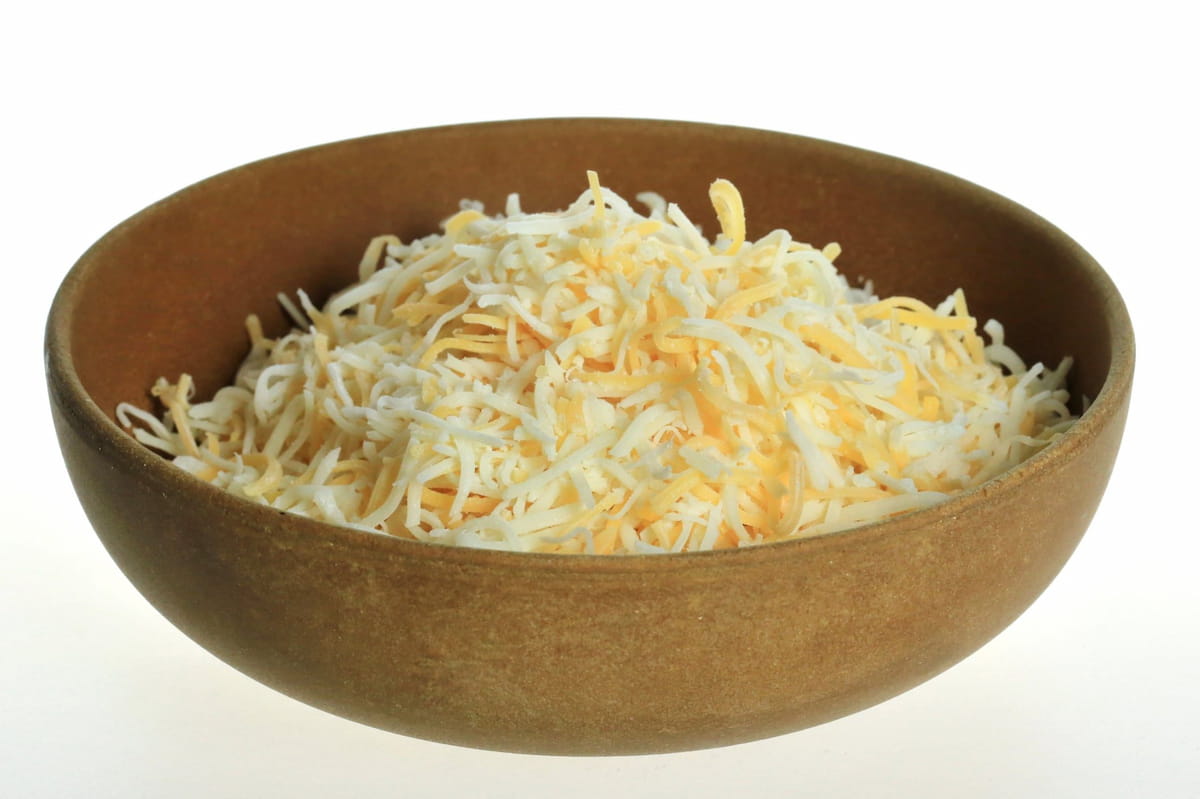
If you’re a fan of cheese — shredded cheese, to be exact — like me, you may want to double-check your bags in the refrigerator before adding them to your favorite dish. It’s been reported that more than a million bags of cheese sold at popular stores like Walmart, Target and Aldi have been recalled for possibly containing metal pieces, according to a recently updated Food and Drug Administration (FDA) report.

Ohio-based Great Lakes Cheese Co. initiated the ongoing recall on Oct. 3, stating the affected cheese may be contaminated with metal fragments, which could cause injury if consumed.

The FDA reclassified the recall to a “Class II” on Dec. 1, according to an enforcement report, meaning the food “may cause temporary or medically reversible adverse health consequences.”

Featured on BlackDoctor

The FDA says they were distributed to 31 states — Alabama, Arizona, Arkansas, California, Colorado, Florida, Georgia, Idaho, Illinois, Indiana, Kansas, Kentucky, Louisiana, Minnesota, Mississippi, Missouri, Nebraska, Nevada, New Mexico, New York, North Carolina, Oklahoma, Oregon, Pennsylvania, South Carolina, Tennessee, Texas, Utah, Virginia, Washington and Wisconsin — as well as Puerto Rico.

The recalled bags, with varying sell-by dates in February and March 2026, include:

  • Low-moisture, part-skim shredded mozzarella from the following brands: Always Save, Borden, Brookshire’s, Cache Valley Creamery, Chestnut Hill, Coburn Farms, Econo, Food Club, Food Lion, Gold Rush Creamery, Good & Gather, Great Lakes Cheese, Happy Farms by Aldi, H-E-B, Hill Country Fare, Know & Love, Laura Lynn, Lucerne Dairy Farms, Nu Farm, Publix, Schnuck’s, Simply Go, Sprouts Farmers Market, Stater Bros. Markets and Sunnyside Farms.
  • Italian-style shredded cheese blend under these brand names: Brookshire’s, Cache Valley Creamery, Coburn Farms, Great Value, Happy Farms by Aldi, Know & Love, Laura Lynn, Publix and Simply Go.
  • Shredded pizza-style cheese blend from Econo, Food Club, Great Value, Gold Rush Creamery, Laura Lynn and Simply Go.
  • Mozzarella and provolone shredded cheese blend from Freedom’s Choice, Good & Gather, Great Lakes Cheese and Great Value, as well as a mozzarella and Parmesan blend from Good & Gather.

The full list of products is on the FDA’s website.

While this and other cheese recalls have been prevalent in the news lately, it has started more conversations online as to what is real cheese and what is not.

Here’s how to tell.

How to Spot Real Cheese vs. Fake Modified Cheese

1. Check the Ingredients List First

Real cheese should have very few ingredients:

  • Milk (or specific type like cow’s, goat’s, sheep’s milk)
  • Salt
  • Enzymes/Rennet
  • Bacterial cultures

Fake or processed cheese often includes:

  • Vegetable oils (palm oil, soybean oil)
  • Modified food starch
  • Maltodextrin
  • Artificial colors (annatto, Yellow #5/6)
  • Emulsifiers (sodium phosphate, sodium citrate)
  • “Cheese flavoring”

Here’s a clue: If there are more than 5–6 ingredients or chemicals you can’t pronounce, it’s probably processed.

2. Look at the Label Category

Real cheeses are labeled:

  • Cheddar
  • Gouda
  • Parmesan
  • Mozzarella

Processed products may be labeled:

  • “Pasteurized Process Cheese Food”
  • “Cheese Product”
  • “Cheese Spread”
  • “Imitation Cheese”

Here’s a clue: Legal terms like the ones above mean it doesn’t meet the standard to be called real cheese.

3. Check Moisture and Texture

Real cheese:

  • Has natural texture: crumbly cheddar, stretchy mozzarella, grainy parmesan
  • Melts unevenly with slight browning and oil release

Processed cheese:

  • Melts into a uniform, glossy puddle (like American cheese slices)
  • Smooth and rubbery when cold
  • Doesn’t brown well

Here’s a clue: Test your cheese by first melting a slice — if it turns to goo without separating oils, it’s likely highly processed.

4. Price and Packaging Clues

If the cost is too cheap, fillers are probably used.

Block cheese is more often real than individually wrapped slices.

Vacuum-sealed, mass-branded slices are typically processed.

5. Shelf Stability

Real cheese:

  • Needs refrigeration
  • Can mold naturally over time

Fake cheese:

  • Lasts months beyond typical expiration dates
  • Rarely molds — it just dries out

6. Look for GMO Indicators

Cheese itself isn’t usually genetically modified — but add-ins can be:

  • Soy or vegetable oils (likely GMO unless certified)
  • Thickening agents like cornstarch
  • Milk from cows fed GMO feed (unless labeled otherwise)

To reduce GMO exposure, look for certifications like:

  • USDA Organic
  • Non-GMO Project Verified
  • “Grass-fed” or “Pasture-raised”

7. The Taste & Aroma Test

Real cheese:

  • Stronger aroma, depth of flavor
  • Varies by batch due to natural aging

Processed cheese:

  • Mild or artificial cheese smell
  • Texture and taste are always identical batch-to-batch

How to prevent metal shards from getting into your canned goods

It’s no wonder that some metal pieces end up in our food when big machinery is used to process the food. So here are some tips for anybody who eats tuna fish, canned vegetables or pretty much anything that comes in metal cans. Many times, there are metal scraps on the edges.

Taking a soft tissue and runing it along the edges you can see flakes. Those are real metal flakes. Over time, those may affect you.

So wiping the edges before eating the contents can cut down on any unnecessary metal.

SHARE
Related Stories
Answer the question below
What actions have you taken regarding your leaky heart valve?

Get our Weekly Newsletter

Stay informed on the latest breakthroughs in family health and wellness. Sign up today!

By subscribing, you consent to receive emails from BlackDoctor.com. You may unsubscribe at any time. Privacy Policy & Terms of Service.

More from BlackDoctor

Where Culture Meets Care

BlackDoctor is the world’s largest and most comprehensive online health resource specifically for the Black community. BlackDoctor understands that the uniqueness of Black culture - our heritage and our traditions - plays a role in our health. BlackDoctor gives you access to innovative new approaches to the health information you need in everyday language so you can break through the disparities, gain control and live your life to its fullest.
✦ AI Search Disclaimer
This AI-powered search tool helps you find relevant health articles from the BlackDoctor.org archive. Please keep the following in mind:
✦ For Informational Purposes Only
The information provided through this AI search is for general educational and informational purposes only. It is not intended as a substitute for professional medical advice, diagnosis, or treatment.
✦ Always Consult a Healthcare Provider
Never disregard professional medical advice or delay seeking it because of something you have read through this search tool. If you have a medical emergency, call your doctor or 911 immediately.
✦ AI Limitations
This search tool uses artificial intelligence to help match your queries with articles in our archive. While we strive for accuracy, AI-generated results may occasionally be incomplete, outdated, or not fully relevant to your specific situation.
✦ No Doctor-Patient Relationship
Using this search tool does not create a doctor-patient relationship between you and BlackDoctor.org or any healthcare provider.
Explore over 35,000 articles and videos across black health, wellness, lifestyle and culture
Full AI Search Experience >
×

Download PDF

Enter your name and email to receive the download link.

BlackDoctor AI Search