Hypoglycemia, also called low blood glucose or low blood sugar, is one of the most common short-term complications in people with type 1 diabetes. Individuals with type 2 diabetes who are treated with insulin or other anti-diabetes medications that stimulate insulin production, may also experience hypoglycemia.
Hypoglycemia is defined as a blood glucose level below 70 mg/dl. Hypoglycemia may range from mild to moderate (60-70 mg/dl) with few or no symptoms, to severe hypoglycemia with very low levels of glucose (<40 mg/dl) and neurologic symptoms such as seizures or convulsions. Severe hypoglycemia is associated with an increased risk of death, dementia, heart disease stroke, falls, fall-related fractures, motor vehicle accidents, poorer quality of life, and emotional challenges.
African Americans with diabetes are less likely to achieve diabetes control and more likely to experience long-term diabetes complications, such as kidney failure and amputation, compared to Whites with diabetes. There is evidence that African Americans also experience severe hypoglycemia more often than Whites. A recent study evaluated the incidence of severe hypoglycemia in patients with diabetes receiving either insulin or insulin-stimulating medication over a 7-year period. The results showed African Americans had consistently higher rates of severe hypoglycemia compared with Whites.
Scientist do not fully understand why African Americans experience higher rates of severe hypoglycemia. However, knowing the causes, symptoms and how to manage hypoglycemia can help you prevent complications associated with severe hypoglycemia.
What Causes Hypoglycemia?
Hypoglycemia can be a side effect of insulin or other types of diabetes medicines that help your body make more insulin. Hypoglycemia can occur in people with diabetes for many reasons. For example, blood glucose can drop if meals are skipped, delayed, or are too small; too much insulin or oral medications; increased amounts of exercise or activity; or excessive alcohol consumption.
Symptoms and Management of Hypoglycemia
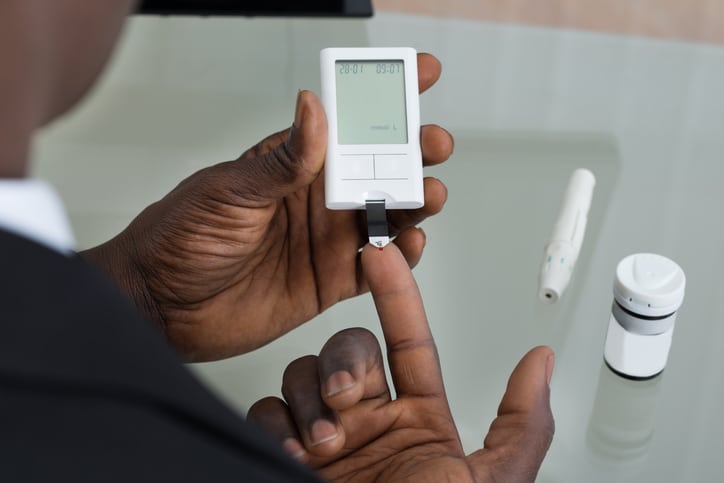
Symptoms of hypoglycemia include shakiness, dizziness, sweating, hunger, headache, pale skin color, clumsiness, confusion, change in behavior, and seizure. Untreated, hypoglycemia can lead to unconsciousness and death. If you start to feel one or more of the symptoms of hypoglycemia, check your blood glucose levels.
If your blood glucose level is less than 70 mg/dl, eat or drink 15 grams of carbohydrates right away.
If your blood glucose level is less than 50 mg/dl, eat or drink 20 – 30 grams of carbohydrate right away. Food that will raise your blood glucose rapidly and have about 15 grams of carbohydrate include 2 to 3 glucose tablets, 4 ounces of fruit juice, 4 ounces of regular soda, 1 cup of milk, 5 to 6 pieces of hard candy, or 1 to 2 teaspoons of sugar or honey.
Wait 15 minutes and then re-check your blood glucose level. If your blood glucose is still too low, treat it again with another serving of carbohydrate. If after bringing your blood glucose level to 70 mg/dl or higher and your next meal is more than 1 hour away, have a snack to keep your blood glucose level in your target range. Try crackers or a piece of fruit.
You should call your healthcare provider if after a second treatment your blood glucose does not return to a normal range.
If you have severe hypoglycemia—blood glucose level less than 40 mg/dl and are unconscious, someone will need to give you a glucagon injection. Glucagon is a hormone that will quickly raise your blood glucose level.Talk to your healthcare provider about when and how to use a glucagon emergency kit.
In the event you feel symptoms of hypoglycemia but are unable to check your blood glucose, it is better to treat yourself than risk your glucose level going too low. The American Diabetes Association states, “When in doubt, treat.”
Everyone with diabetes should wear a medical alert bracelet or pendant, but it is especially important if you have hypoglycemia often or have had severe hypoglycemia. A medical alert ID tells other people that you have diabetes and need care right away. Getting prompt care can help prevent the serious problems that hypoglycemia can cause.

Constance Brown-Riggs, MSEd, RD, CDE, CDN is a registered dietitian, certified diabetes educator, national speaker and author of The African American Guide to Living Well with Diabetes.. She is a Dannon One Yogurt Every Day Nutrition Advisor.


By subscribing, you consent to receive emails from BlackDoctor.com. You may unsubscribe at any time. Privacy Policy & Terms of Service.