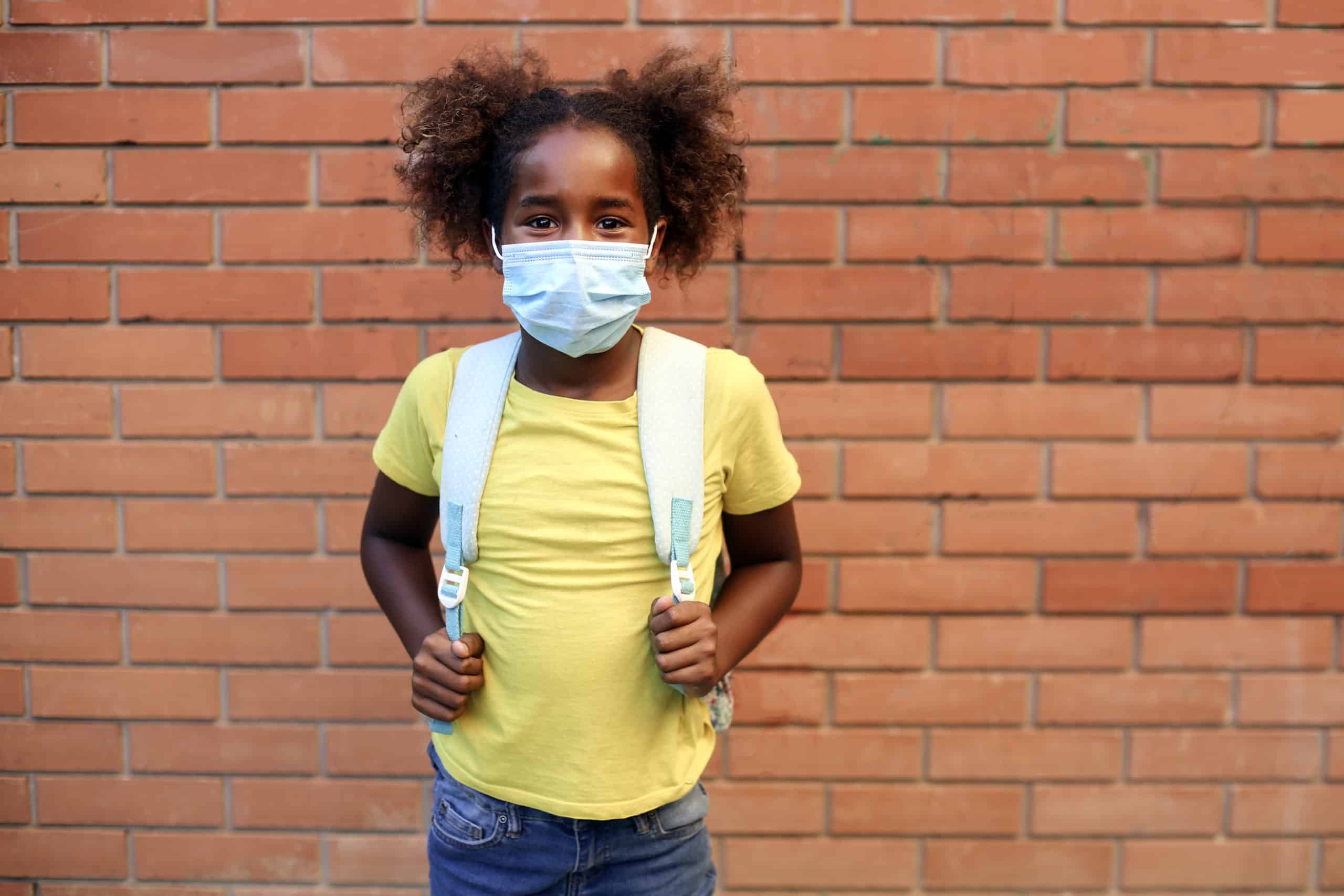
 An elementary aged school student in a classroom wearing a mask for protection against infectious disease.
Shivering. Tossing in bed. Exhaustion. Sleeplessness. Chills. Fever. Arm soreness. Teeth chattering. Sweat. All of these are indicators that your immune system is kicking in to fight something. In this case, a response to the COVID 19 vaccination and future encounters with COVID 19.
Science has already proven that side effects are a natural part of the vaccination process, but not everyone will experience them. The two COVID-19 vaccines cleared for emergency use in the United States, made by Pfizer/BioNTech and Moderna, have resulted in varied responses from the immune system. In clinical trials, at least a third of the volunteers ended up with symptoms such as headaches and fatigue.
The second dose may create more intense side effects because it is building on the initial dose and may cause the body to respond more vigorously to what may considered the second invasion. The body’s response is to defend itself and fight back.
The side effects felts are the result of the body defending itself and generally resolve quickly as the body succeeds in its’ defense efforts.
When the immune system detects a virus, cells and molecules learn about the virus in order to fight it if encountered again. The Pfizer and Moderna vaccines utilize a molecule called mRNA naturally found in human cells.
Once injected the mRNA instructs the body’s own cells to produce a coronavirus protein called spike—a molecule that elicits powerful, infection-fighting antibody responses.
Getting mRNA into the cells is accomplished by transporting the molecules in lipid nanoparticles. These fatty spheres are foreign to the human body and activate innate immune cells. Once they detect the foreign spheres, these cells dispatch cytokines that call other immune cells to the site of injection.
The increase in cells and molecules makes the arm swollen and sore. The cells create more cytokines which can cause system-wide responses, or side effects, like those stated above.
Moderna’s shot contains three times as much of the genetic material of mRNA as Pfizer’s and may be the cause of more side effects in clinical trials.
“It’s the body’s knee-jerk reaction to an infection,” or something that looks like it, Mark Slifka, a vaccine expert and an immunologist at Oregon Health and Science University, told me. “Let’s spray the area down with antiviral cytokines, which also happen to be inflammatory.”
The innate immune system acts fast, but within a day or two of the injection, they start to lose steam. Cytokine production decreases and side effects go away. This is when adaptive immunity, which includes molecules and cells, such as antibodies and T cells, launch an attack to protect the body against infection again.
T cells and B cells, the cells that make antibodies, need several days to create a response to the spike’s features. When the second injection is delivered adaptive cells react quickly.
Some of these cells have remained at the site of the initial injection. When the second injection occurs these cells create their own cytokines causing inflammation which can result in fevers, aches, and exhaustion.
With the vaccine and its follow-up second dose, the first shot stimulates innate and adaptive immunity, while the second injection reminds B and T cells that the threat of the coronavirus remains and future responses require full defenses.
The lack of vaccine side effects should not be cause for alarm however as each individual responds to new information at the cellular level differently.
Despite the lack of obvious response, the body is still working to create an appropriate defense for a future invasion.


By subscribing, you consent to receive emails from BlackDoctor.com. You may unsubscribe at any time. Privacy Policy & Terms of Service.