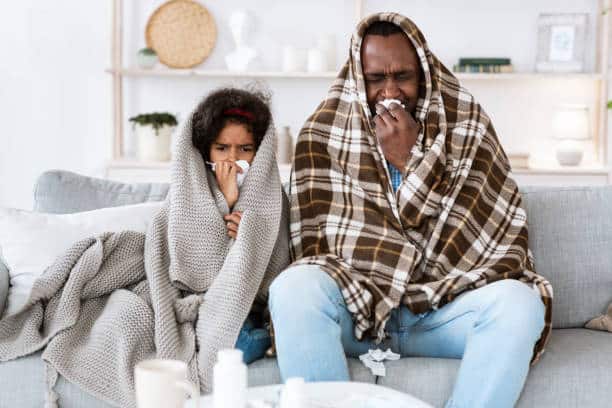
Respiratory syncytial virus (RSV) is an infectious respiratory disease that can look and sound a lot like a cold, with coughing, sneezing and a runny nose.
But RSV can turn serious and send some patients to the hospital, particularly infants and young children. Learn more about what RSV is, including its causes, symptoms and treatment.
RSV causes respiratory illness, the American Academy of Pediatrics (AAP) reports.
“Can adults get RSV?” is a frequent question. Adults, babies and children can get RSV, according to the AAP. Sometimes the illness can be severe in infants and children. The risk of contracting RSV is also higher for premature babies, which is of particular concern for Black women, who are more likely to give birth to a premature baby.
In the United States, people usually get RSV from late fall through early spring. “This is a relatively common virus that used to be seasonal in the fall and winter. But over the COVID-19 years, we’ve seen some changes in that seasonality, with seasons starting earlier or ending later than usual,” Dr. Nipunie Rajapakse, a pediatric infectious diseases physician Mayo Clinic, said in a recent article.
RELATED: Making Sure You Don’t Get RSV This Winter: An Expert Offers Tips
You can catch RSV in several ways, according to the U.S. Centers for Disease Control and Prevention:
RSV can sometimes cause other health problems that can be more serious than RSV itself. Those problems, explained by the CDC, include:
An RSV test for a child includes a nasal swab test. That’s where the pediatrician will use a cotton-tipped stick to remove some of the mucous inside your child’s nose. They may also order an X-ray and an oxygen saturation test, according to AAP.
RSV symptoms aren’t the same in babies and children as they are in adults. It’s important to know
what symptoms to look for in each case.
RSV in adults can cause symptoms such as:
The AAP says babies and children can get the same symptoms as adults, plus:
RSV infections usually last no longer than one or two weeks, according to the CDC.
RSV is contagious, which means that it’s a virus that can go from one person to another when they touch. The virus travels in saliva (spit), mucus and nasal (nose) discharge according to the AAP. “RSV is a respiratory virus, so it’s spread by respiratory droplets or by touching droplets from someone who’s infected. Avoiding people who are sick, washing your hands, even wearing a mask would prevent transmission of RSV…” according to Rajapakse.
You may also be wondering how long RSV contagious is so you know when it’s safe for you or your child to touch another person. If you have RSV symptoms, you were probably contagious one or two days ago. Adults are contagious for three to eight days, warns the CDC, and children (plus people who have weakened immune systems) can be contagious for up to four weeks.
Treating respiratory illness caused by RSV isn’t complicated. In fact, if you or your child have a mild to moderate illness, you won’t need any treatment at all beyond these steps you should take at home, according to the Mayo Clinic:
Preventing respiratory illnesses caused by RSV can save your child a lot of suffering. In July 2023, the U.S. Food and Drug Administration approved an antibody shot known as nirsevimab (Beyfortus) to guard against severe RSV in children. The next month, the CDC’s Advisory Committee on Immunization Practices recommended the shot for the following age groups:
Arexvy and ABRYSVO are also available for adults 60 or older.
Living with RSV means following your at-home treatment plan and watching symptoms, to make sure they don’t get worse.
Two to three infants out of every 100 patients may end up in the hospital, the AAP states. And it’s rare, but according to the academy, some infants can die from RSV. Contact your child’s pediatrician if you have concerns.


By subscribing, you consent to receive emails from BlackDoctor.com. You may unsubscribe at any time. Privacy Policy & Terms of Service.