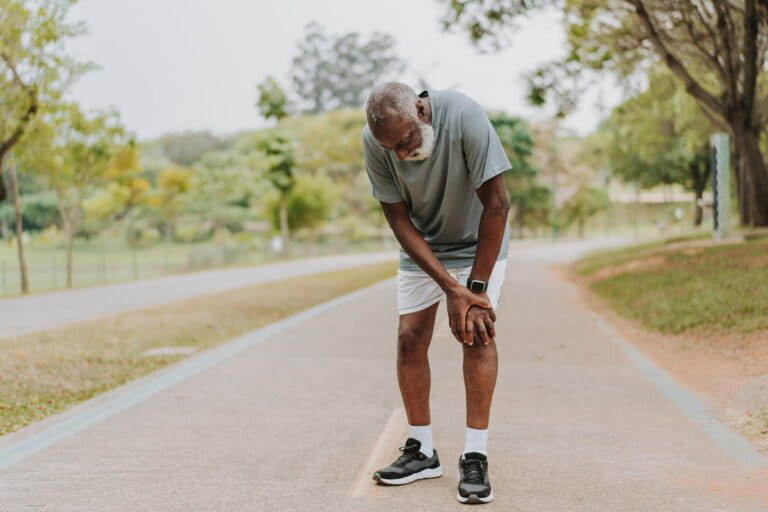
Are you feeling drained and low on energy during menopause? You’re not alone. Perimenopause, the phase leading up to menopause, can bring about various changes in your body, including fatigue. Whether you’re experiencing fatigue before, during, or after menopause, there are ways to boost your energy levels and feel more like yourself again.
Fatigue during menopause can be caused by changing hormone levels, night sweats, sleep disruptions, and other factors. Research published in the Journal of Psychosomatic Obstetrics & Gynecology found that fatigue was the most frequently reported symptom by menopausal women. However, it’s important to note that fatigue can also be a sign of other medical conditions such as anemia, coronary artery disease, diabetes, heart failure, hypothyroidism, hyperthyroidism, and kidney or liver disease. It’s always a good idea to consult your healthcare provider to rule out any underlying issues.
Once other medical problems are ruled out, and menopause is identified as the cause of your fatigue, there are steps you can take to boost your energy levels. Here are eight energy boosters to help you combat menopausal fatigue:
One effective way to combat fatigue is through daily exercise. Even just 30 minutes of moderate to vigorous activity can boost your energy levels and make you feel more energetic.
Exercise is like a fountain of youth, producing feel-good hormones that can give you the energy you’re looking for when you’re not feeling your best.
Research published in the journal Menopause found that post-menopausal women who exercised moderately to vigorously felt more energetic. Aim for at least 30 — and preferably 60 — minutes of exercise most days of the week to reap the benefits.
Establishing a healthy sleep routine is another crucial step in combating menopausal fatigue. Hormonal fluctuations, hot flashes, nighttime urination urges, and night sweats can make sleep during midlife a challenge. However, getting enough rest is vital for maintaining your energy levels and avoiding daytime drowsiness.
Try to go to bed and wake up at the same time every day, even on weekends. Taking a warm shower or bath close to bedtime and ensuring your room is cool enough can also improve your sleep quality. Many experts suggest keeping the thermostat around 65 degrees Fahrenheit (F) for optimal sleep conditions.
RELATED: 3 Delicious Soy-Based Recipes You’ll Want To Eat Every Day
Eating the right foods in the right amounts can also help boost your energy levels during menopause. A diet rich in fruits, vegetables, whole grains, and lean sources of protein and low- or no-fat dairy products can provide the nutrients your body needs for
optimal energy levels.
Limiting the amount of fats and sweets you eat is also important. Some research suggests that spicy foods can trigger hot flashes, so it’s best to avoid them if you’re experiencing these symptoms.
Additionally, studies have shown that foods high in soy may help balance out your hormones, which can offset some menopausal symptoms.
Watching your caffeine, alcohol, and nicotine intake is also crucial for managing menopausal fatigue. While these substances may give you an immediate rush, they can leave you feeling more drained when their effects wear off.
Studies show that alcohol consumption at bedtime can lead to more nighttime awakenings and worsen sleep apnea symptoms. Therefore, it’s best to limit your intake of these substances, especially close to bedtime, to improve your sleep quality and overall energy levels.
Relaxation techniques can also help combat menopausal fatigue by reducing stress and anxiety. Engaging in activities that help you unwind, such as reading, taking long walks, or meditating, can boost your energy levels and improve your overall well-being.
Stress and anxiety may be contributing to your fatigue, so taking the time to relax and indulge in your favorite activities can make a significant difference.
RELATED: Essential Tips on Managing Insomnia From Menopause
Staying hydrated is essential for maintaining your energy levels during menopause. Drinking enough water throughout the day can prevent dehydration, which can lead to fatigue, nausea, and difficulty concentrating.
Keep a water bottle handy so you can drink when you’re thirsty, and choose water or caffeine-free tea or coffee over calorie-laden drinks to stay hydrated and energized.
Herbal remedies such as black cohosh and valerian may also help reduce menopausal symptoms and anxiety, but it’s important to consult your doctor before trying any herbal supplements. These remedies can interfere with some medications, so it’s best to seek medical advice before incorporating them into your routine.
Soy lecithin, found in high doses in some soy products, has been shown to increase vigor and lower blood pressure in menopausal women, according to a study published in 2018. However, more research is needed to determine the effectiveness and safety of these remedies for menopausal fatigue.
Lastly, if fatigue during menopause is affecting your daily life, it’s essential to talk to your doctor about medication options. Hormone therapy, antidepressants, and other prescription drugs may help alleviate fatigue and improve your energy levels. Your healthcare provider can help you determine the best course of action based on your individual needs and health history.
Remember, there’s no one-size-fits-all solution to menopausal fatigue. However, by adopting a healthy lifestyle and incorporating these tips into your daily routine, you can take control of your health and feel more energized during menopause.


By subscribing, you consent to receive emails from BlackDoctor.com. You may unsubscribe at any time. Privacy Policy & Terms of Service.