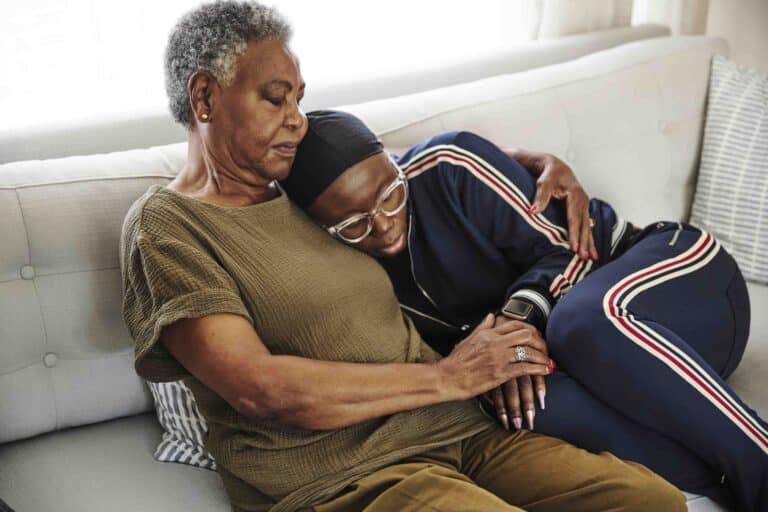
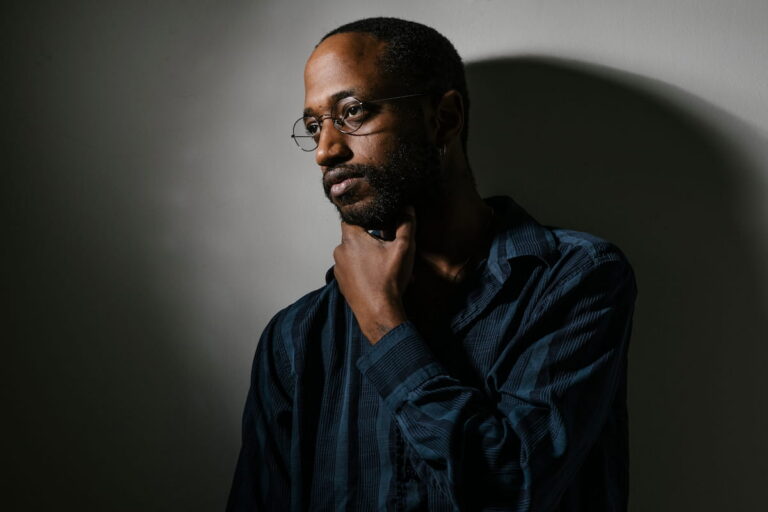
Psychologists have known for quite some time that racism negatively affects mental and physical health. We have long known that racial bias and aggression increases the risk of anxiety, depression, fertility concerns, obesity, hypertension, certain cancers and more. For the most part, because racism hid itself in the cloak of culture and institutions, the health consequences of racism lurked beneath the surface, like a silent killer. It was there but it was a part of life, a reality. However, with more research, we recognize that our responses to racism are more acute.
As an early career psychologist and millennial, 2014 was the start of racist provocation impacting my everyday consciousness in a visceral way. In 2014, we were coming out of 2013 already shaken from the verdict that George Zimmerman was found “Not Guilty.” The murder of an unarmed Black boy, Trayvon Benjamin Martin, had no consequence.
I had refused to read news of this trial and avoided as much commentary as possible. Partly because I was in graduate school and working hard like an indentured servant and partly because the last 400 years told me what to expect. Though it was hard, I was still emotionally well.
Summer 2014 hit and then there was the image of Eric Garner with his hands out, head pulled back. Then there was Michael Brown’s face, a promise that would not be lived out. With social media at my fingertips, I affixed to information as though it were a lifeline. Considering I saw Garner and Brown as an extension of myself, my community and my family, I felt attacked, too.
First, there were the nightmares. Then, there was…
…the visceral response when I saw a police car. I was agitated and on edge, unfocused and tired. Every time I got in the car I made sure my lights were working. I kept to the speed limit and stopped at all stop signs. A yellow light no longer meant speed up. It meant come to a dead stop. Navigating my responses on top of my every day responsibilities was both emotionally and physically exhausting. I was experiencing what health professionals call a “trauma response.”
Typically, the most common response to trauma is resiliency. That is what I had after the Zimmerman verdict. I was sad and disappointed but I was also motivated to see change and I could tolerate heartbreak. I knew the face of racism and I had a plan of working through it.
Though years of ongoing small racial slights and an occasional encounter with overt racism shaped the way I interacted with people and systems, I did not start to experience a trauma response until summer 2014. In other words, the rules of living had significantly changed. Like with many other trauma responses, I became keenly aware of my surroundings in a fight to protect myself. I moved to an unhealthy “woke” place.
The beautiful part of a racial trauma response is…
…that it is protective and warranted at first. It is natural, normal and healthy to protect oneself. In the presence of a threat, we need it to survive. The challenge is that our minds and bodies are not designed to stay at that level of alertness for prolonged periods of time. It kills us, literally.
So yes, it is possible to be traumatized by racism. Like a person who was in a major car accident, had been assaulted or lived in a war zone, we need to consider our minds as both resilient and fragile. The accumulation of race-based stress and the acute effect of direct racial incidents wear on our psyche. If we don’t attend to this, we won’t need the police to end our lives. Our minds are doing it for us.
CHECK: Racism & Your Health
So, I encourage you to look out for how you are reacting and take care of yourself accordingly. I also encourage you to check out the Institute for the Study and Promotion of Race and Culture’s #racialtraumaisreal discussion to learn more.

Shatina Williams, PhD is a licensed psychologist in Washington, DC and Maryland. She received her PhD in Counseling Psychology from Boston College and currently serves as a Staff Clinician at the American University Counseling Center and has an independent private practice, Aya Psychotherapy & Consulting, in Bethesda, MD. She has worked with children, adolescents, and adults in residential, community mental health, integrated health care, and university counseling settings. Her special interests include community and interpersonal trauma, effects of racism and sexism on identity and identity-related experiences, racial and gender identity, exercise and healthy eating, and experiences of students of Color and first-generation college students.


By subscribing, you consent to receive emails from BlackDoctor.com. You may unsubscribe at any time. Privacy Policy & Terms of Service.