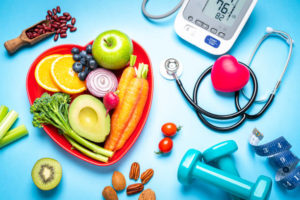
Whether you’re ordering at a restaurant or combing through the fridge, your choices could be putting your heart at risk. But food isn’t the enemy. In fact, a healthy diet can be one of the most effective weapons against heart disease. Take this short quiz to see how much you know about a heart-healthy diet.
a. Nuts
b. Fish
c. Soybeans
d. All of the above
a. Choosing foods low in cholesterol
b. Choosing foods low in saturated fat
c. Choosing foods high in fiber
d. Choosing foods low in polyunsaturated fat
True
False
a. Buy them — they’re healthier than most snacks
b. Put them back — they could be bad for your heart
c. Keep reading — other ingredients are much more important
a. By protecting arteries from injury
b. By lowering cholesterol levels
c. By lowering blood pressure
d. All of the above
Your Results
The correct answer is: d. All of the above
All of these foods seem tailor-made to help the heart. Like other types of beans, soybeans will both lower your LDL “bad” cholesterol and increase your HDL “good” cholesterol. Nuts are packed with monounsaturated fats that help keep cholesterol from sticking to your arteries (just limit them to a handful a day, and cut back on other calories if necessary). Fish — especially fatty fish such as salmon — contain omega-3 fatty acids that can help your heart stay in rhythm. The oil in fish also thins the blood, lowering the risk of dangerous blood clots. (Some fish, including swordfish, have unusually high mercury counts; check with your doctor if you have questions.)
The correct answer is: b. Choosing foods low in saturated fat
Nothing in your diet will boost your cholesterol levels faster than saturated fats. (Saturated fats are most often found in milk, meat, cheese and butter, and baked goods.) The American Heart Association recommends getting less than 7 percent of your calories from saturated fats. For someone eating an average of 2,000 calories a day, this adds up to no more than 16 grams of sat fat (checking food labels will help). To reach this goal, you should also go easy on fried foods, fatty meats, and dairy products made from whole or 2 percent milk (i.e., drink skim or 1 percent milk.) Besides cutting down on saturated fats, exercise and a diet very high in fiber (including fruits, vegetables, and nuts) may also dramatically help lower your cholesterol.
The correct answer is: True
These fats help keep cholesterol from clogging your arteries. One study of heart patients found that a so-called Mediterranean diet rich in monounsaturated fats cut the risk of a heart attack by 80 percent. Just remember, even healthy oils have a lot of calories, so don’t drown your salad in them — the key is always moderation.
The correct answer is: b. Put them back — they could be bad for your heart.
Anything made with partially hydrogenated vegetable oil contains a dietary villain known as trans fat. This type of fat, which lurks in stick margarine, fried foods, and many snack foods, threatens the heart in two ways. Not only does it increase your artery-clogging LDL cholesterol, it also lowers your HDL (“good”) cholesterol. A recent Harvard study of more than 80,000 women suggested that replacing just 2 percent of trans fat calories with calories from healthier fats reduced the risk of heart disease by more than 50 percent. You can help lower your trans fat intake by avoiding potato chips and other foods that crinkle, getting margarine in a tub rather than a stick, and buying crackers made with olive oil. One exception is peanut butter although “partially hydrogenated vegetable oil” is usually on the label, it’s still considered good for you.
The correct answer is: d. All of the above
For all of these reasons, the American Heart Association recommends eating four to five servings each of fruits and vegetables every day if you’re eating 2,000 calories a day. Just remember that some fruits and fruit juices are high in sugar and calories, and should be avoided in large quantities (if you’re diabetic or have questions about this, check with your doctor).


By subscribing, you consent to receive emails from BlackDoctor.com. You may unsubscribe at any time. Privacy Policy & Terms of Service.