Oregon’s landmark psilocybin program is showing that the “magic mushroom” chemical can help people manage their mood disorders, a new study says.
People participating in state-regulated psilocybin services reported relief from symptoms of anxiety, depression and post-traumatic stress disorder, researchers reported Aug. 19 in JAMA Network Open.
In fact, nearly two-thirds declared the experience to be among the most meaningful of their lives.
“These early results reveal psilocybin’s potential to improve health in people accessing these services here in Oregon,” said Oregon Health & Science University President Dr. Shereef Elnahal in a news release. OHSU led the evaluation of the state’s legalized psilocybin market.
“The study also provides important insight for policymakers considering programs that permit psychedelics for the treatment of mental health conditions, including PTSD and substance use disorders affecting America’s military veterans,” added Elnahal, who previously served as undersecretary of health in the U.S. Department of Veterans Affairs. He was not involved in the new study.
Oregon voters approved psilocybin services in 2020, making state-licensed access to the mind-altering drug available for people 21 and older starting in 2023.
More than 20,000 people have accessed Oregon-licensed psilocybin services to date, researchers noted.
For the new study, researchers evaluated nearly 350 people receiving psychiatric care at 24 of Oregon’s 26 licensed psilocybin service centers. The participants all received a single session with the psychedelic drug between November 2024 and June 2026, under the care of a licensed facilitator.
Results showed that:
“Safety was very similar to what we’ve seen with psychedelics in clinical settings,” lead researcher Dr. Todd Korthuis said in a news release.
“That’s important because there was a big question around whether or not safety in carefully controlled psilocybin clinical trials would translate into real-world use,” Korthuis said. He is a professor of medicine at OHSU.
Korthuis noted that psilocybin is not an appropriate treatment for some conditions, including psychosis and bipolar disorder. Pregnant women also should not take the psychedelic.
However, Korthuis said he was struck by the safety profile of psilocybin. Overall, only seven of the participants reported the experience as harmful three months after their session.
“This may be a reflection of clients who were healthier overall than clinical trial participants,” Korthuis said. “The results demonstrate it’s safe for people receiving state-regulated psilocybin experiences.”
As a next step, a $3.3 million five-year federal grant awarded earlier this year will enable OHSU researchers to examine psilocybin’s effectiveness in helping patients reduce their use of illicit substances.
“This paper is going to be cited for decades,” senior researcher Adrianne Wilson-Poe, a scientist at the Legacy Research Institute in Portland, Oregon, said in a news release. “This is the first large-scale study to monitor the safety and mental health symptoms of real people in the real world.”
While psilocybin therapy is not a federally approved treatment, a growing number of states are following Oregon and embracing it. Colorado has allowed it since 2024, and a similar law goes into effect in New Mexico later this year. Eighteen other states are considering similar legislation.
RELATED: Could Psilocybin Become a New Option for Depression Treatment?
Black participants have been historically underrepresented in clinical trials, including mental health and psychedelic research. This poses a significant issue, as treatments can move closer to widespread clinical use before researchers fully understand whether study populations reflect the communities most likely to eventually receive them.
Representation is more than just enrolling diverse patients. Researchers also need to consider cultural experiences, historical trauma, medical mistrust, and differences in access to mental healthcare. Having a lack of representation in medical research can make it harder to know if the findings truly reflect the experiences of Black patients.
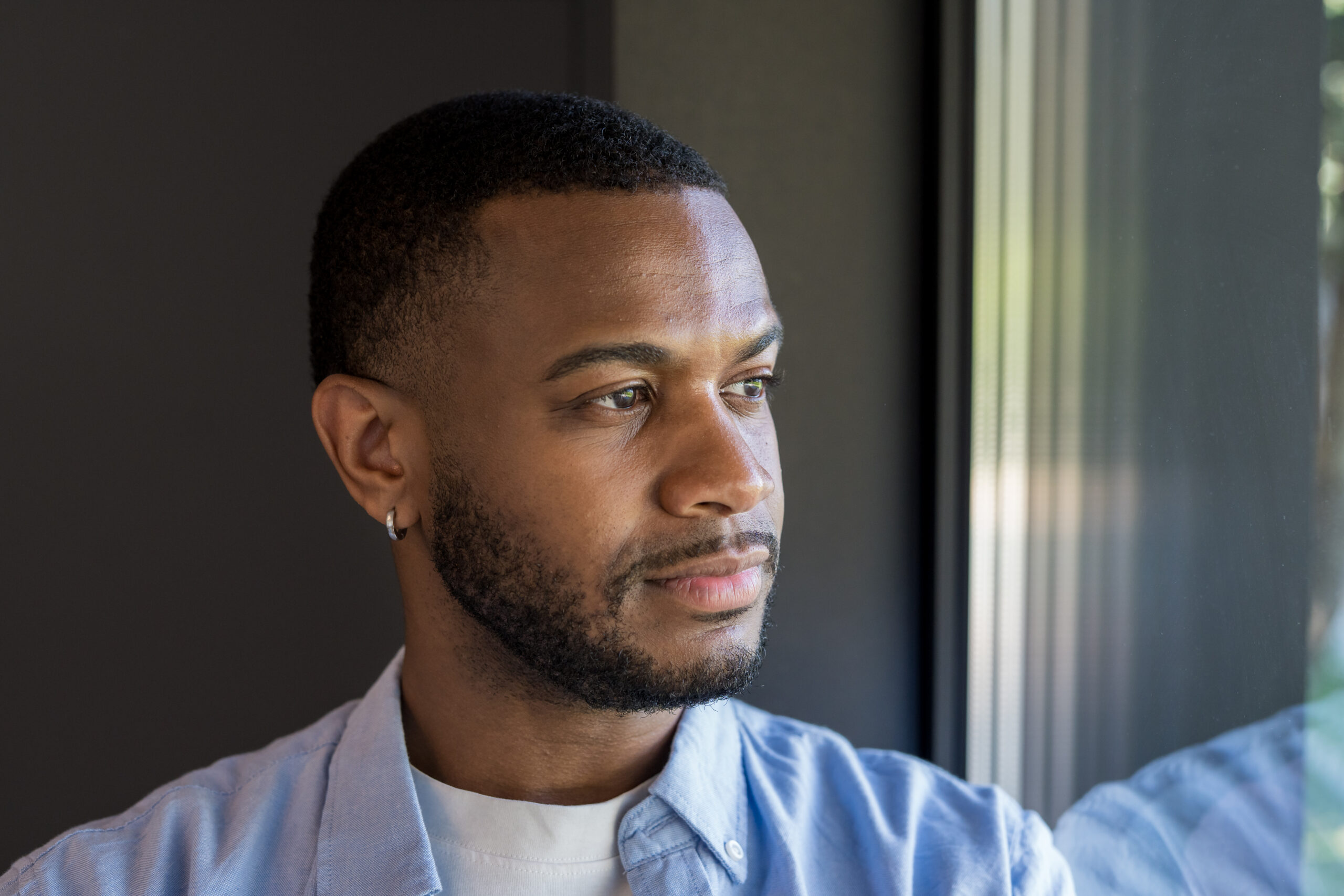
When you hear the word “psilocybin,” your mind might automatically go to recreational drug use. While some people do use it recreationally or unsupervised, its purpose in research and treatment is much different.
Researchers study psilocybin to understand its potential for providing rapid-acting and long-lasting relief for hard-to-treat mental health and substance use conditions. Therapeutic psilocybin is an emerging medical treatment that combines regulated doses of the psychoactive compound found in psychedelic mushrooms with structured psychotherapy.
Any use of psilocybin should be used under the guidance of a research team or healthcare provider. You should never attempt to self-treat depression or other mental health conditions with psilocybin based on emerging research.
RELATED: Psychedelic Clinical Trials Are Expanding: What Patients Should Know
As psychedelic treatments continue to move through research, participation from diverse communities will be important to ensuring that the evidence — and eventually the benefits — don’t leave Black patients behind.
Clinical trials can have several benefits for Black Americans, including:
Joining a clinical trial can provide several benefits, because it is your personal decision. Take time to understand what the trial is studying, what is expected of you, and the potential risks and benefits. The research team should answer any questions or concerns you might have. And if you don’t think a trial is right for you, you can always withdraw.
Want to see the latest clinical trials? Visit BlackDoctor’s Clinical Trials Resource Center.
More information
Johns Hopkins Medicine has more on psychedelics research.
SOURCES: Oregon Health & Science University, news release, Aug. 19, 2026; MycoMeditations, Dec. 30, 2025


By subscribing, you consent to receive emails from BlackDoctor.com. You may unsubscribe at any time. Privacy Policy & Terms of Service.