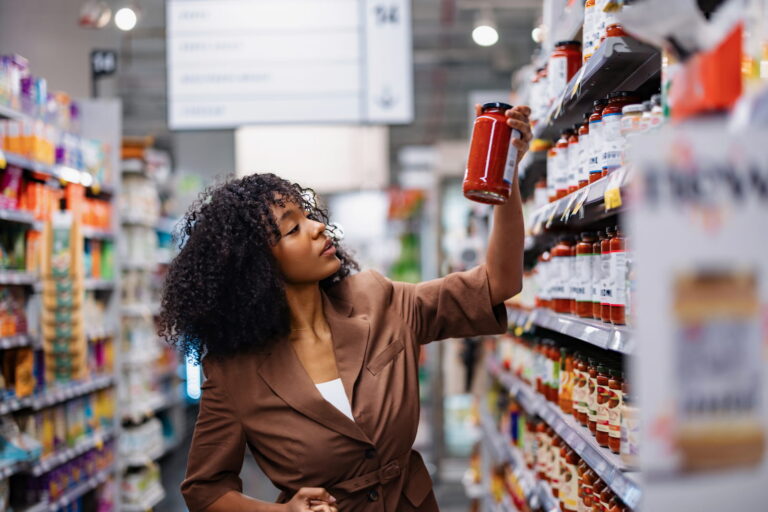
Processed foods are cheap and easily accessible to most college students. However, they have recently been under scrutiny after a troubling study from the National Institutes of Health found that people on ultra-processed diets ate more calories and gained more weight than they did when offered the same amount of nutrients from less processed food. With news like this, it’s no wonder many college students pack on the “Freshmen 15”.
Researchers say that there’s something different about how quickly our bodies take in processed foods and how those foods interact with key hormones that help regulate our appetites.
This is scary news, but nothing new. For many years, other researchers have connected packaged and ready-made foods with more cancer cases, more early deaths and higher chances of cancer diagnoses.
So what’s considered processed food?
Scientists and nutrition experts often used NOVA, a tiered system that classifies what we eat into one of these four categories: unprocessed or minimally processed, processed culinary ingredients, processed foods, and ultra-processed food and drink products.
Unprocessed foods include edible parts of plants (fruits, vegetables, seeds, roots, etc.) or animals, as well as fungi and algae. These can be fresh, frozen, or even fermented — the important distinction is that they have not been treated with additives, injected with salt, or rubbed with oil until they’re about to be eaten.
Examples include dry beans; grains like rice; fresh or dried mushrooms; meat and dairy products; seafood; plain yogurt; nuts; and spices.
Processed culinary ingredients involve an extra step in production. These are ingredients made from unprocessed foods, like vegetable oils, butter, and lard. This category also includes extracted food, like honey from combs, sugar from cane, and syrup from maple trees.
Processed foods are items that get infused with ingredients like sugar, salt, and fat to help keep them
edible longer. Canned fruits, fermented breads (which most breads are, as they’re made with yeast), alcohol, cheese, pickles, and salted nuts all make this list.
Finally, there are ultra-processed foods. These items are designed to be ready to eat and ready to heat at any time. To make that possible, these foods are often factory-made, broken down from their original form and infused with thickeners, colors, glazes, and additives.
They may be fried before they’re packed in cans or wrappers. They might contain high-fructose corn syrup, protein isolates, or interesterified oils (replacements for trans fats, which are now widely banned).
Examples include packaged granola bars, carbonated soft drinks, candy, mass-produced breads, margarine, energy drinks, flavored yogurt, chicken nuggets, and hot dogs.
These are the items researchers are referring to when they say that ultra-processed foods are linked to more cancer cases, early deaths, and substantial weight gain.
Of course, these items also tend to be more convenient and cheaper than less processed food, since they’re less perishable.
We understand that ultra-processed food are convenient but if you can afford it, cutting back on ultra-processed food is a good strategy for maintaining a healthy weight and staying disease-free for a long time.
Next step is making fresh foods just as accessible as the bad ones. Lawmakers, we’re looking at you.

Jasmine Browley holds an MA in journalism from Columbia College Chicago, and has contributed to Ebony, Jet and MADE Magazine among others. So, clearly, she knows some stuff. Follow her digital journey @JasmineBrowley.



By subscribing, you consent to receive emails from BlackDoctor.com. You may unsubscribe at any time. Privacy Policy & Terms of Service.
Enter your name and email to receive the download link.