You’ve probably had that one friend who exaggerates their pregnancy. They can feel the baby kicking at two weeks old (when it really takes about six months). They start wobbling with one hand on their back before they experience any back pain and they swear up and down their baby said its first word before it’s even born. Well, that friend might not sound so crazy after we tell you about the friend who goes into labor and doesn’t learn that she was never pregnant until the doctor comes in to deliver her bundle of… nothing.
READ: Getting Pregnant After Birth Control
It’s hard to believe that a woman can think she’s pregnant all the way up until “labor” and non-delivery. But, it definitely happens and it is a very serious concern for the women who experience pseudocyesis and the OBGYNs who have to deliver the news.
“Pseudocyesis is when you feel like you’re pregnant. You feel like you have some symptoms of pregnancy, anywhere from nausea (morning sickness) to breast tenderness, bloating, and back pain,” said Dr. Diana Ramos, Co-Chair of the National Preconception Health and Health Care Initiative (PCHHC).
Around 1-6 per 22,ooo women experience pseudocyesis, also known as phantom or false pregnancy. The first sign of pregnancy is usually a late period.
“When you’re late with your period, you are hyper-alert to your body. You think ‘Oh, am I pregnant?’ and then you start thinking ‘Ok. What else am I feeling?’ then you realize your breasts are tender or that you’re feeling a little nauseous or tired…,” said Dr. Ramos.
Women who experience pseudocyesis carry out the same attitudes of women who are pregnant because they are experiencing the same symptoms. But, those symptoms are often caused by premenstrual syndrome, or PMS.
READ: Putting An End To These 5 Common Pregnancy Myths
“One thing to be aware of is the progesterone, or hormone in the second half of the menstrual cycle, causes those symptoms,” said Dr. Ramos.
The most important thing for any woman to do if they suspect they’re pregnant is to take a pregnancy test, or two. A third opinion from a physician may not be a bad idea either, seeing as if you are pregnant you’ll be visiting them frequently anyway.
In some cases, the symptoms of pregnancy persist after receiving negative results and the woman experiencing pseudocyesis continues to believe that she is pregnant. This includes tests from the physician who has likely assessed the patient through ultrasound.
READ: Is Your Weight Putting Your Fertility At Risk?
Delusional pregnancy is a condition in which a woman refuses to accept the fact that she is not pregnant, according to Dr. Idries J. Abdur-Rahman, an obstetrician and gynecologist.
“I have patients who’ve come into labor and delivery saying ‘Oh! My baby’s not moving. I’m cramping’ and [I] look at the medical chart and [realize] they’ve been in a couple of times already, having been told that they are not pregnant, that an ultrasound was done,” said Dr. Ramos.
The rejection of a negative pregnancy test is common among women who strongly desire to conceive and/or suffer from a mental illness, possibly due to sexual abuse or trauma.
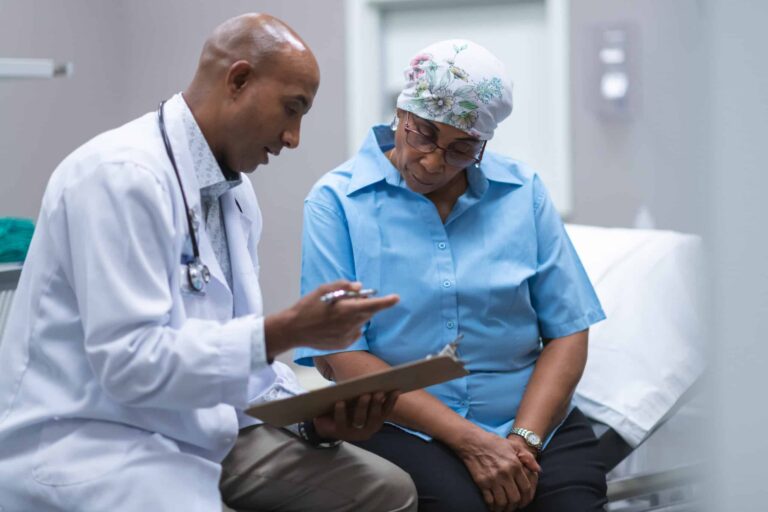
“Treatment for pseudocyesis centers around counseling to address the underlying stressors that lead to the development of this condition as well as the emotional issues that will result from having experienced this condition. As the stressors resolve and the patient’s acceptance of the condition increases, the symptoms resolve,” Dr. Idries J. Abdur-Rahman wrote in his article on pseudocyesis.
Women who trust the negative pregnancy test should turn their focus to other possibilities based on the symptoms they are experiencing. Increased urination could mean a urine infection. Nausea could be dehydration. An irregular period can be a sign of polycystic ovarian syndrome (PCOS). Feeling “fetal” movement could be intestinal contractions, a sign of constipation.
“It’s important to go see your health provider because everybody’s medical history is different. You want that health care provider to give the recommendation based upon your medical history. You want them to do the work specifically for you,” said Dr. Ramos.
For more great articles, click here.


By subscribing, you consent to receive emails from BlackDoctor.com. You may unsubscribe at any time. Privacy Policy & Terms of Service.