Black adults face disparities in both diagnosing and treating Parkinson’s disease. Parkinson’s disease (PD) is a chronic, progressive neurological disorder that can cause stiffness, slowed movement, and tremors, typically for older adults in their 60s. Age, gender, environmental exposure, and genetics are all risk factors.
Because Black patients have historically been underrepresented in Parkinson’s research, there are no reliable estimates for just how many people of African descent in the U.S. or elsewhere are living with PD. Nor is there a reliable genetic understanding of how PD affects Black adults nor what treatments work best.
However, this underrepresentation is slowly starting to change. The Global Parkinson’s Genetics Program (GP2), the world’s largest Parkinson’s disease genetics consortium, is adding six new research locations to broaden geographic diversity and increase African-American and Black participation in Parkinson’s research.
One of these new study sites includes Ochsner Health, a nonprofit healthcare provider in Louisiana. “This is the first study of its kind to unravel the genetic architecture of PD in Black and African Americans,” says Dr. Julia Staisch, a movement disorders neurologist at Ochsner Health and the principal investigator of the study.
This study aims to better understand how the disease impacts Black adults as part of its “Black and African American Connections to Parkinson’s Disease” study. “This study hopes to shed light on an unstudied population,” says Dr. Staisch.
Researchers at these new sites will continue to work on genotyping over 150,000 individuals worldwide to examine the genetic linkage to Parkinson’s disease in Black adults. This study has already uncovered new findings, locating the gene variant GBA1 found almost exclusively in Black individuals, indicating an increased risk for developing Parkinson’s disease.
The new Ochsner site will contribute to uncovering additional novel genes as well as examine health disparities and care access for Black individuals with PD. “With this information we may better care for this unique population with data that truly represents their unique manifestations of disease, hopefully leading to novel custom therapeutics,” Dr. Staisch says.
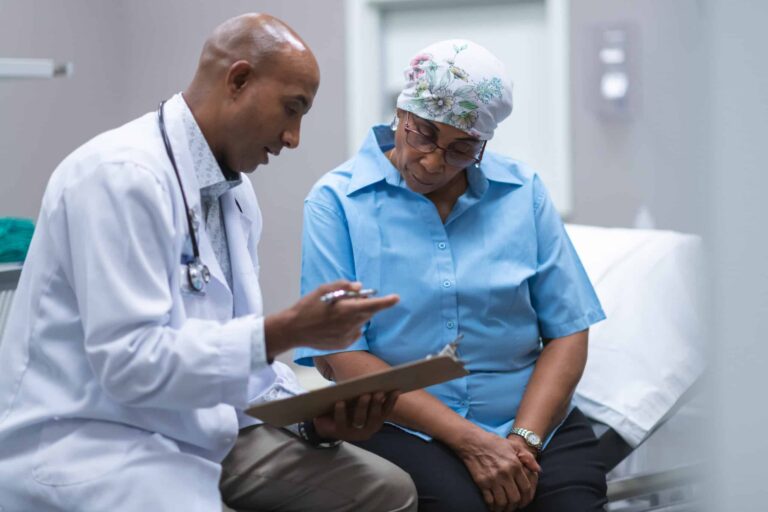
Parkinson’s affects nearly 1 million people in the U.S. and is the second most common neurodegenerative disease after Alzheimer’s. However, not everyone is affected equally. Simply receiving a diagnosis can be more difficult for Black individuals. Research shows Black patients are less likely to be diagnosed than their white counterparts. This underdiagnosis could be due to numerous reasons, including possible doctor bias, barriers in accessing neurologists or even viewing PD symptoms as normal signs of aging.
Black adults also are diagnosed with Parkinson’s an average of four years later than white patients. Delays in diagnosis and undertreatment could lead to severely worsened symptoms.
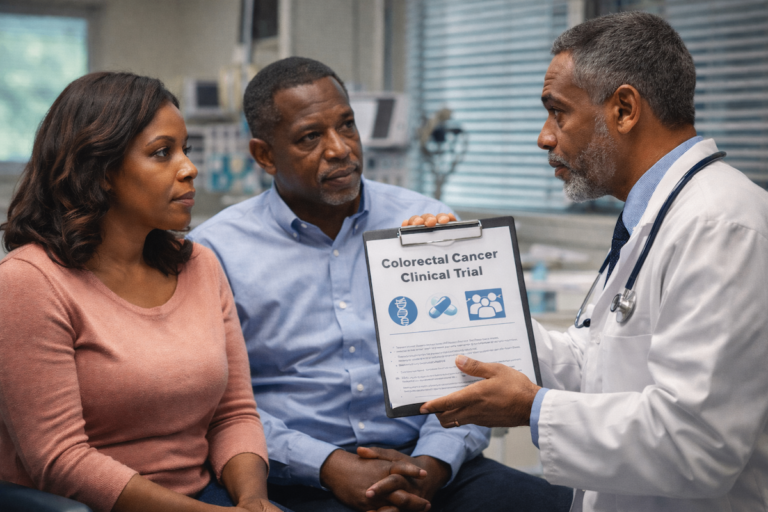
Given such significant disparities, it’s all the more important there be a renewed focus on how Parkinson’s uniquely affects Black individuals. “This is not a clinical trial,” she clarifies. “Clinical trials apply an investigational medication to see if it helps disease. We are collecting data but are not offering a therapy. The data from this study may be used to create new therapies in the future. We truly do not yet know how PD affects Black and African Americans. Almost all studies prior are from Caucasian populations. This study hopes to shed light on an unstudied population. Promoting diversity and inclusion in research trials is our goal.”
Representation in both research and clinical trials are important to foster trust in the medical system that could otherwise lead to patients delaying care. It’s not just important to advance medical understanding of PD for individuals with different backgrounds and lived experiences, but also to develop and improve equal access to effective treatments.
Ochsner is recruiting volunteer participants. Volunteers do not have to be established Ochsner patients. If you are 18 years of age or older and identify as Black and/or African American, please contact Dominique Thomas, 504-842-3980 or [email protected] to learn more. Having a PD diagnosis is not a prerequisite to participate in the Ochsner study.


By subscribing, you consent to receive emails from BlackDoctor.com. You may unsubscribe at any time. Privacy Policy & Terms of Service.