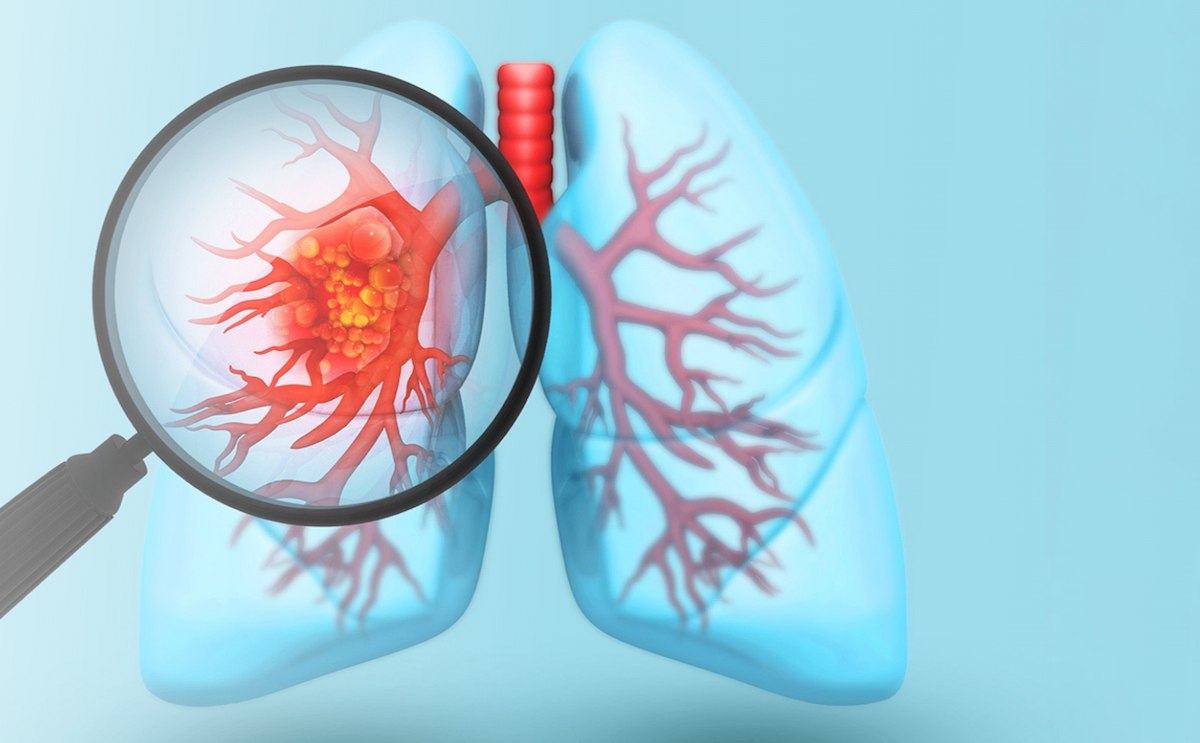
The doctor said it looked like heart failure. She had Dancy admitted to the hospital.
During those first few days, the toughest part for Dancy was being alone at night. Scary thoughts crept in. Things like what this meant for the rest of her life and how her being compromised might affect her children. She’d always been their superhero; seeing her like this in the hospital and having never spent a night away from each other, they were worried.
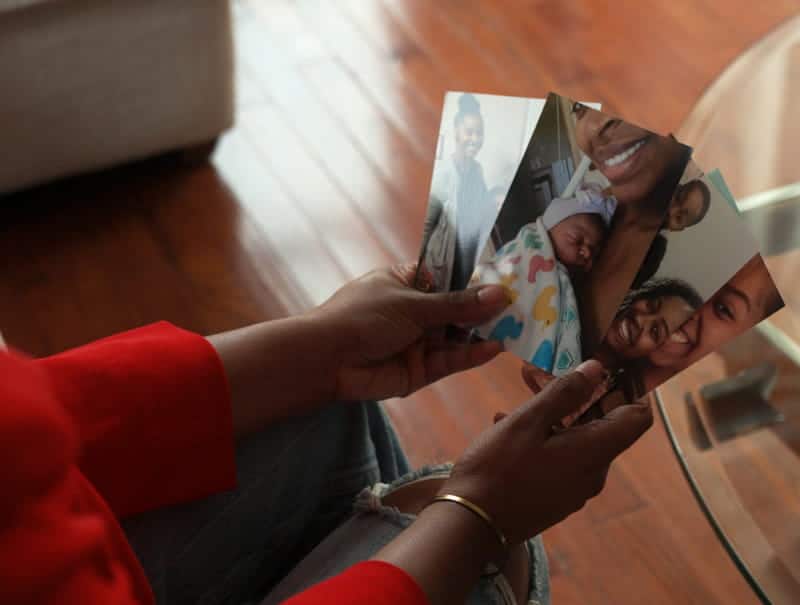
Marian Dancy holding photos taken with her children. (American Heart Association)
“You try to reassure them that it was going to be OK,” Dancy said. “But I really didn’t know myself. All I could think was, ‘Is this the last place I’m going to be?'”
A heart ultrasound showed her heart’s ability to pump blood to her body was extremely low. It’s a measurement called ejection fraction, which normally may be between 50 percent and 70 percent. Doctors at the hospital told Dancy her ejection fraction was 15 percent.
About a week later, doctors diagnosed Dancy with peripartum cardiomyopathy, a rare form of heart failure most often diagnosed during the last month of pregnancy or five months or more after giving birth. The condition causes the heart chambers to enlarge and the muscle to weaken, leading to less blood flow. In the U.S., peripartum cardiomyopathy occurs in an estimated 1 in 1,000 to 4,000 deliveries.
“I can imagine there are a lot of people out there who aren’t even aware that this thing could happen,” said Bertha Willis, Dancy’s mother. “Considering how women are so, I say, critical to almost everything that happens in our community, it’s just important that they know these things.”
RELATED: Mom of 2 Young Boys Was Waiting for Pizza When Her Heart Stopped
Dancy was determined to make a full recovery. She took medication, ate a low-sodium diet, did breathing treatments and walked, little by little. When she could make it down the hospital hallway, she got to go home. It had been a little over two weeks.
She wore a defibrillator vest in case her heart stopped or needed to be shocked back into a normal rhythm. Within six months, that was replaced by a defibrillator/pacemaker implanted in her chest.
Dancy also took a holistic approach to her recovery. She put down the salt shaker. She worked out. She leaned on her faith. She began journaling and seeing a counselor. She focused on reducing stress and saying no.
“When I had to put myself first, it was uncomfortable. But I moved out of that discomfort, and it really ended up being


By subscribing, you consent to receive emails from BlackDoctor.com. You may unsubscribe at any time. Privacy Policy & Terms of Service.