|
5 min



Obesity is a chronic, but treatable, disease associated with excess fat. It is healthy to have some body fat. In fact, a healthy level of body fat is needed to survive. But too much fat can be harmful to your body.
Obesity is most often measured by Body Mass Index (BMI), a calculation of body weight compared with height. Those who have a body mass index (BMI) greater than or equal to 30 are usually considered to have obesity. However, for black women, the number is 32.
To figure out your BMI, use this online calculator.
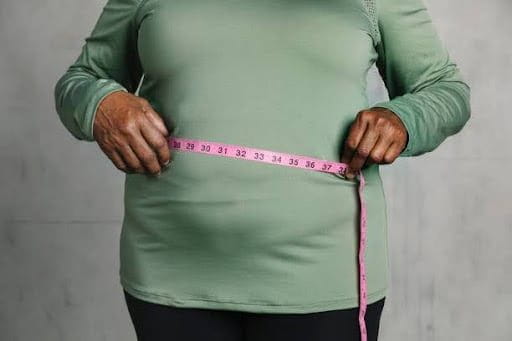
Alternative health metrics for Black women include Waist circumference, Waist-to-hip ratio (WHR), and Body impedance analysis (BIA).

If you believe your weight may be affecting your health, it’s important to have a conversation with your healthcare provider about your concerns and the available options. Although it might be challenging to broach this topic, open communication with your provider is crucial for your well-being.
Don’t wait for your healthcare provider to initiate the conversation. By sharing your health status, personal history, and goals with your provider, you can collaborate to identify the best options for you.
Consider asking these questions to start the conversation.
Describe your health concerns, including any conditions you may have.
Explain where you are on your weight loss journey.
Ask what option(s) might be right for you.
Your healthcare provider will likely want to discuss and consider the following before making any recommendations:
Once your healthcare provider has a clear understanding of your health history, profile, and goals, you can collaborate to explore weight loss options that may be suitable for you.