(BlackDoctor.org) — The aging process is associated with many changes in hormonal and physiological function, some of which are gender related. In women, one of the most dramatic hormonal changes is the striking reduction in estrogen production that accompanies menopause. This period of life has special nutrient requirements.
By definition, a woman is menopausal after her periods have stopped for one year. The 1-5 years that precedes menopause is called perimenopause. During perimenopause, a woman’s body adjusts to a waning and then absent menstrual flow, as well as to the associated bodily changes that result from lower estrogen levels.
Although researchers are just beginning to address the special nutrition needs of menopausal women, it is generally agreed that a diet rich in vegetables, grains, fruits, and calcium and lower in fat, alcohol, calories, and caffeine is a wise choice for women at midlife.
Estrogen levels decline during menopause, and this reduction makes bone more susceptible to calcium loss. Increased calcium intake and moderate weight-bearing exercise are essential to minimize the development of osteoporosis , the debilitating condition that causes fractures in about half of all women over the age of 50.
Driving Down Estrogen Levels May Increase Cholesterol
In 1994, a US National Institutes of Health (NIH) Consensus Panel recommended that women over the age of 50 who are on estrogen replacement therapy (ERT) should take 1200 milligrams (mgs) of calcium per day, while women not on ERT should take 1500 mg per day. At age 65, all women should take 1500 mg of calcium per day.
Also, women may want to limit the amount of soft drinks consumed daily, as they contain high levels of phosphorus, which may lead to bone loss. It is important to remember to take calcium along with vitamin D, which is absolutely necessary for calcium to be absorbed by your body. The usual recommended dose of Vitamin D is 400 IU daily.
Prior to menopause, estrogen helps protect a woman’s arterial walls from fat and cholesterol buildup by raising the levels of HDL (“good”) cholesterol and lowering the levels of LDL (“bad”) cholesterol. As menopause drives down estrogen levels, this protection disappears and leaves women as vulnerable to heart disease as men.
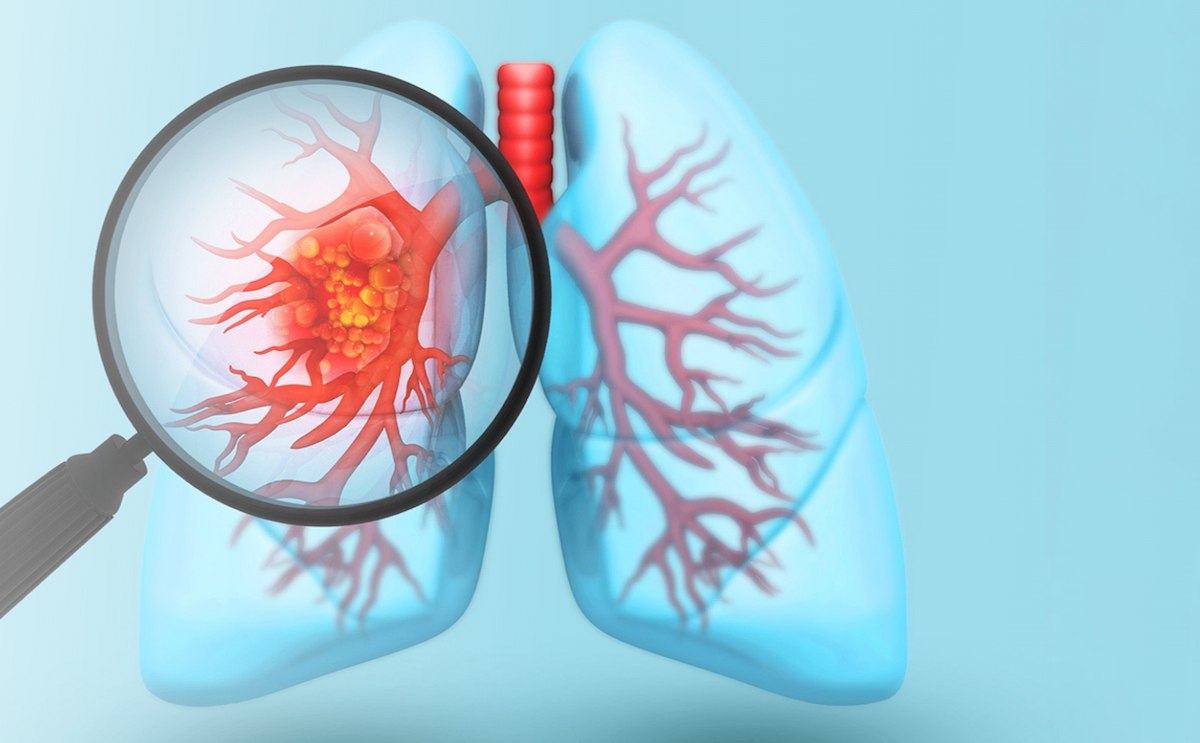
To compensate for this loss of protection, women should adopt a diet that is low in total and saturated fats and cholesterol and high in complex carbohydrates, such as grains, fruits, and vegetables. Breast , colon , and lung cancer are other significant health risks for menopausal women. There is much scientific evidence suggesting that a diet rich in the antioxidant vitamins A , C , and E and beta-carotene may have a cancer-protective effect. In addition, many foods containing antioxidants are also important sources of dietary fiber, helping to alleviate the constipation often noted during menopause.
Vegetarians May Have Less Discomfort
In the United States, anecdotal evidence has begun to emerge among vegetarian women, many of whom seem to have less menopause-related discomfort. Researchers are beginning to postulate that diets rich in plant-derived estrogens, particularly from soy products and legumes, may help to modulate the body’s hormonal fluctuations at menopause. Women with a history of breast cancer should avoid high intake of soy products, as the naturally occurring estrogens in soy may contribute to development of some types of breast cancer.
A Note on Caffeine and Alcohol
Because caffeine can increase the number and intensity of hot flashes, and has also been implicated in osteoporosis and a rise in serum cholesterol, it is difficult to recommend caffeine use at menopause.
And although many studies have noted the beneficial effects of alcohol on heart disease, the majority of these studies have been conducted on men. Generalizing the benefits to women at midlife could be unwise, particularly because alcohol may aggravate hot flashes and heavy alcohol use is a known risk factor for osteoporosis.
Watch What You Eat and Keep Fit
Menopause is associated with reducing resting- and physical activity-related energy expenditure and increasing central fat stores (stomach and thighs), which are risk factors for heart disease. To maintain body weight at premenopausal levels, women may need to cut back their caloric intake by 10-15%, and increase physical activity.
Although menopause presents special challenges to women, consuming adequate amounts of calcium, limiting animal fats, eating plenty of whole grains, legumes, fruits and vegetables, and frequent exercise can help ensure women a healthful passage through menopause.


By subscribing, you consent to receive emails from BlackDoctor.com. You may unsubscribe at any time. Privacy Policy & Terms of Service.