The sweeping “One Big, Beautiful Bill”—recently signed into law—ushers in nearly one trillion in Medicaid cuts over the next decade, marking the program’s most drastic reduction ever. These cuts tighten eligibility, impose co-pays, and restrict retroactive coverage, undermining access and care for the most vulnerable.
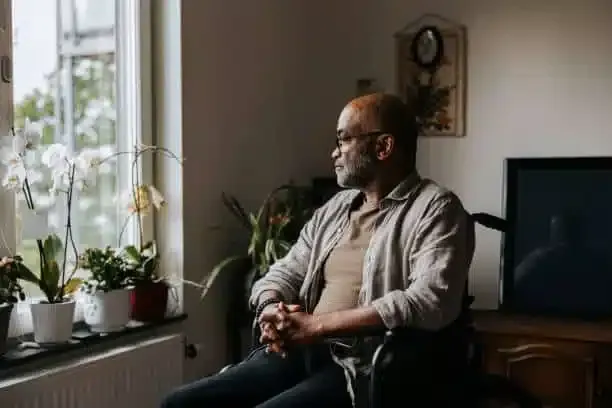
Nursing homes, which serve predominantly Medicaid-dependent residents, stand to feel the greatest shock: 63 percent of residents rely on Medicaid, and proposed cuts deeply jeopardize facility finances. In fact, 579 facilities are at elevated risk of closure, already operating with slim margins, low occupancy, and a heavy reliance on Medicaid funding.
In 2022, Medicaid covered $255 billion in long-term care—yet cuts to “provider taxes” that enable states to bolster reimbursements could dismantle more than 60 percent of nursing home funding. The result: fewer beds, reduced staffing, and dangerous strains on caregiving and family systems.
For Black, Brown, and low-income elders—who already face systemic inequities—these cuts threaten survival and dignity. With over two-thirds of nursing home residents dependent on Medicaid, cuts disrupt their only path to care.
Recent surveys underscore the reality: 92 percent of nursing home providers express severe concern, with over 25 percent indicating closures and 58 percent considering staffing reductions due to Medicaid cutbacks. These cuts also risk pushing millions out of home- and community-based services, ultimately forcing those who value aging in place into institutionalization.
The workforce is crumbling, too. Already underpaid, many direct-care workers are hit with layoffs or wage cuts, and nearly 27 percent of women workers under 65 rely on Medicaid for their own healthcare.
The stakes are severe: closures of nursing homes accelerate “nursing-home deserts,” especially in rural areas. Families are burdened with a drain on savings, unpaid caregiving, and emotional distress.
RELATED: Medicaid, SNAP, and More on the Chopping Block — How This Bill Could Set Us Back

Investing in preventive health services—chronic disease management, rehabilitation, mobility and fall prevention—can reduce reliance on institutional care. Research shows physical rehabilitation in long-term settings improves strength, mood, balance, and memory among elders.
Programs like PACE (Program of All-Inclusive Care for the Elderly) highlight models enabling seniors to stay independent with comprehensive medical and social support in community settings.
A skilled and culturally competent eldercare workforce is critical. Coalitions like the Eldercare Workforce Alliance work to expand geriatrics training, ensure fair wages, and uplift the neglected direct-care sector.
Public funding for such professional pipelines would ensure providers reflect and honor the cultures of the residents they serve, while also retaining staff through improved compensation and growth opportunities.
Residents and families must be central to policy conversations. Advocacy boards can channel lived experience into legislation and operational reforms, ensuring elder voices guide decisions about budgets, care models, and racial equity in access and treatment.
Broad-based civic participation—through testimony, storytelling campaigns, and alliances—can humanize the crisis for lawmakers. Senator Schumer’s tour of nursing homes in Staten Island and Long Island exemplifies how direct testimony brings urgency to the halls of power.
Community-led movements—like the ROAR campaign (“Respect, Oversight, Advocacy, Reform”) launched by the filmmaker of the Amazon exposé on institutional elder neglect—are amplifying public awareness and pushing for systemic reform.
We must invest in alternatives to traditional institutional care. Models like the Green House Project, with smaller, home-like environments fostering autonomy and dignity, have yielded better social and mental well-being for elders.
Publicly supported, nonprofit elder-care homes rooted in communities can deliver high-quality care with cultural sensitivity, cost efficiency, and human-centered design.
RELATED: The “Big Beautiful Bill” Is Anything But A Wake-Up Call for Health Justice
Preventive health measures are more than just cost-saving tools — they are life-preserving interventions that keep elders in control of their bodies and choices. Chronic illnesses like diabetes, hypertension, and arthritis — which disproportionately impact Black elders due to decades of health inequity — often become disabling only when they’re left unmanaged.
By prioritizing screenings, mobility support, mental health care, and rehabilitation, we can delay or even prevent the need for institutional care altogether. This not only reduces strain on nursing homes but also affirms elders’ right to age in place within their communities, surrounded by familiarity, culture, and family.
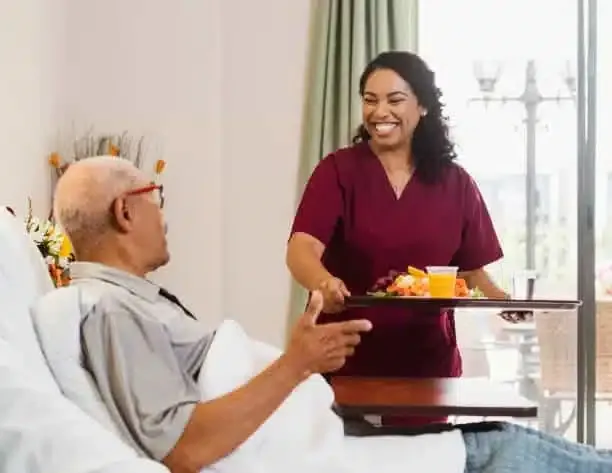
You can’t have quality elder care without a stable, well-trained, and fairly paid workforce. Cuts to Medicaid often mean cutting wages or staff hours, creating dangerous resident-to-staff ratios. The burden falls hardest on direct-care workers — disproportionately women of color — who already earn poverty wages despite doing physically and emotionally demanding work.
When we invest in training pipelines and fair compensation, we aren’t just “staffing up” — we’re creating career paths that reflect the dignity of the work. And when workers reflect the racial, cultural, and linguistic backgrounds of the residents, trust grows and care outcomes improve. Elders feel seen, respected, and safe.

Too often, nursing home policy is made in boardrooms and legislative chambers far removed from the day-to-day lives of residents. Creating Resident Advocacy Boards shifts that dynamic by bringing the people most affected into the decision-making process.
This isn’t just symbolic — residents and families know exactly where care falls short and where resources are wasted. Their input can shape policies that address racial inequities in treatment, improve food and activities to reflect cultural traditions, and hold facilities accountable when they fail to meet standards.
We know Medicaid cuts don’t happen in a vacuum — they happen when lawmakers believe the public won’t notice or care. Amplifying resident voices through testimony, storytelling, and grassroots campaigns humanizes what would otherwise be treated as “budget numbers.”
When a daughter shares how Medicaid-funded staff helped her mother recover from a stroke, or when an elder describes losing the only nurse who spoke their native language, policymakers can’t hide behind spreadsheets. Storytelling transforms policy from abstract to urgent, mobilizing communities to demand protection of vital programs.
Traditional, large-scale nursing homes can feel cold, impersonal, and even dehumanizing. For Black and Brown elders — who have endured lifetimes of systemic neglect — these environments often echo other institutional harms.
Nonprofit, community-based elder care homes flip that model. They are smaller, more personal, and rooted in the local culture. Meals can reflect traditional cuisines. Staff are often neighbors or community members. Decision-making is closer to the people it serves. These homes also tend to reinvest resources locally rather than funneling profits to corporate chains.
By creating places where elders are not just housed, but honored, we change what aging looks like in America — from a warehouse model to a community-centered one.
The Medicaid cuts now unfolding threaten a generation of Americans, especially elderly members of historically marginalized communities. Behind the numbers are real people—grandmothers, parents, elders yearning to remain seen, cared for, and dignified.
But we are not helpless. Through focused investments in prevention, workforce development, advocacy, community care models, and legislative engagement, we can build a future where Medicaid is not withdrawn from our elders but strengthened by their voices and needs.


By subscribing, you consent to receive emails from BlackDoctor.com. You may unsubscribe at any time. Privacy Policy & Terms of Service.