Menu

Manage High Blood Pressure With The DASH Diet

Table of Contents
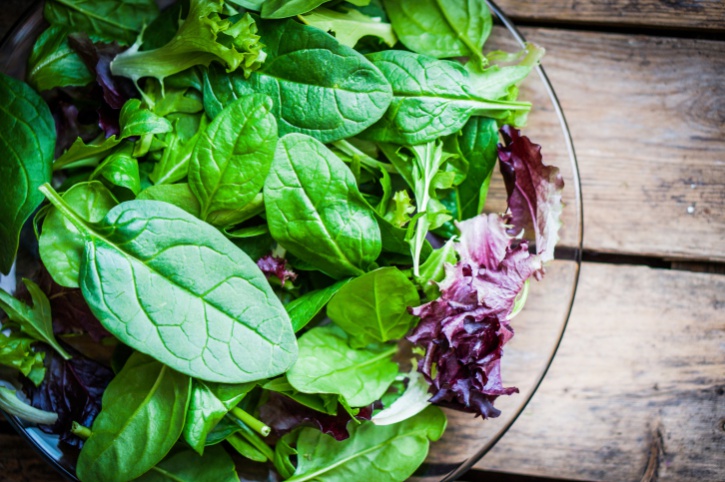
green salad with spinach, aragula, romaine lettuce

What you eat can help lower your blood pressure and reduce your risk for stroke and heart disease.

One such diet, the Dietary Approaches to Stop Hypertension (DASH) diet, has been shown to reduce blood pressure. This diet is low in saturated fat, cholesterol, and total fat. The diet emphasizes fruits, vegetables, and low-fat dairy products.

Help Take Control Of Your Health Today With Meta Daily Blood Sugar Support —-> CLICK HERE <—

Featured on BlackDoctor

According to the National Heart, Lung, and Blood Institute (NHLBI), your blood pressure can be unhealthy even if it stays only slightly above 120/80 mm Hg. The higher above that level, the greater your health risk. Over time, high blood pressure makes your heart work too hard. This can cause stroke, hardening of the arteries, heart failure, kidney disease, and even blindness.

Why this diet works

Why is the DASH diet so effective at reducing blood pressure?

It combines many nutrients that have been shown to be beneficial in reducing blood pressure. Those nutrients include calcium, potassium, magnesium, protein, and fiber, as well as lower total fat and saturated fat.

The DASH diet is naturally low in salt. The DASH diet recommends menus containing 2,300 mg of sodium and 1,500 mg of sodium a day. (One teaspoon of salt contains 2,300 mg of sodium.)

Further, following the DASH diet may delay your need to take hypertension medication, and may even keep you from needing to take it at all. And if you’re already on medication, it may help you reduce the amount you take.

Doing the DASH

The DASH diet is a 2,000-calorie diet that includes:

  • Six to 8 daily servings of grains and grain products, such as whole wheat bread, cereal, oatmeal, crackers, unsalted pretzels, and popcorn. A serving size is 1 slice of bread, 1 cup of ready-to-eat cereal, or a half-cup of rice, pasta, or cereal.
  • Four to 5 daily servings of vegetables — the darker in color, the better. A serving size is 1 cup of raw leafy vegetables, a half-cup of cooked vegetables, or 6 ounces of vegetable juice.
  • Four to 5 daily servings of fruit. A serving is 1 medium fruit, quarter-cup of dried fruit, half-cup of fresh, frozen or canned fruit, or 6 ounces of fruit juice.
  • Two or 3 daily servings of low-fat or fat-free dairy products. A serving is 8 ounces of milk, 1 cup of yogurt, or 1½ ounces of cheese.
  • Six or fewer daily servings of lean meat, poultry, or fish. A serving is 1 ounce of cooked meats, skinless poultry, or fish.
  • Four to 5 servings per week of nuts, seeds, and dry beans. A serving is one-third cup or 1½ ounces of nuts, 1 tablespoon or half-ounce of seeds, or half-cup cooked dried beans.
  • Two to 3 small daily servings of fats and oils like olive oil and low-fat salad dressing. A serving is 1 teaspoon soft margarine, 1 tablespoon low-fat mayonnaise, 2 tablespoons light salad dressing, or 1 teaspoon vegetable oil.
  • Five or fewer servings per week of sweets like maple syrup, sorbet, or gelatin. A serving is 1 tablespoon sugar, 1 tablespoon jelly or jam, half-ounce jellybeans, or 8 ounces of lemonade.

Although the DASH diet isn’t designed for weight loss, it can easily promote it if you reduce the number of servings you eat. Most of the food the diet features is low in energy density. This means it’s big on volume and low in calories.

Still, there are parts of the DASH diet that may not be easy to follow. For one, it’s packed with dark-colored fruits and vegetables, so be prepared to be choosier at the supermarket. Also, if it’s very different from what you normally eat, it may be hard to adjust.

If you’re serious about following the diet, it’s a good idea to work with a registered dietitian (R.D.) for support and guidance. (For the names of R.D.s in your area who know about the DASH diet, visit the Academy of Nutrition and Dietetics.)

Moving forward

If you decide to go it alone, adopt the DASH diet gradually. By doing so, you’ll be more likely to stick to it long-term.

For example, add 1 more serving of vegetables at lunch and dinner if you eat only 1 or 2 servings a day now. You might also add fruit to meals and snacks if you now only have juice for breakfast. In addition, slowly increase your dairy products to 3 servings per day. Try drinking skim milk with lunch or dinner, instead of soda, alcohol, or tea.

To get the most out of the DASH, lose weight if you need to and exercise regularly. Thirty minutes of moderate exercise 4 to 5 days a week is recommended.

More dish on the DASH

“The DASH Eating Plan” is a 24-page online guide published by the NHLBI. It offers a reader-friendly explanation of high blood pressure, detailed daily servings charts to help you plan your menus, a week of suggested DASH menus, plus tips to reduce sodium.

For more information about diet and other lifestyle factors to reduce hypertension, visit Your Guide to Lowering Blood Pressure.


Related Stories
Answer the question below
What actions have you taken regarding your leaky heart valve?

Get our Weekly Newsletter

Stay informed on the latest breakthroughs in family health and wellness. Sign up today!

By subscribing, you consent to receive emails from BlackDoctor.com. You may unsubscribe at any time. Privacy Policy & Terms of Service.
More from BlackDoctor

Where Culture Meets Care

BlackDoctor is the world’s largest and most comprehensive online health resource specifically for the Black community. BlackDoctor understands that the uniqueness of Black culture - our heritage and our traditions - plays a role in our health. BlackDoctor gives you access to innovative new approaches to the health information you need in everyday language so you can break through the disparities, gain control and live your life to its fullest.
✦ AI Search Disclaimer
This AI-powered search tool helps you find relevant health articles from the BlackDoctor.org archive. Please keep the following in mind:
✦ For Informational Purposes Only
The information provided through this AI search is for general educational and informational purposes only. It is not intended as a substitute for professional medical advice, diagnosis, or treatment.
✦ Always Consult a Healthcare Provider
Never disregard professional medical advice or delay seeking it because of something you have read through this search tool. If you have a medical emergency, call your doctor or 911 immediately.
✦ AI Limitations
This search tool uses artificial intelligence to help match your queries with articles in our archive. While we strive for accuracy, AI-generated results may occasionally be incomplete, outdated, or not fully relevant to your specific situation.
✦ No Doctor-Patient Relationship
Using this search tool does not create a doctor-patient relationship between you and BlackDoctor.org or any healthcare provider.
Explore over 35,000 articles and videos across black health, wellness, lifestyle and culture
Full AI Search Experience >
×

Download PDF

Enter your name and email to receive the download link.

BlackDoctor AI Search