For some, milk does a body good, but for others, alternatives do it better. We’re always looking for new options and excited to try them and bring you our thoughts.
*Enter stage left* Milkadmia
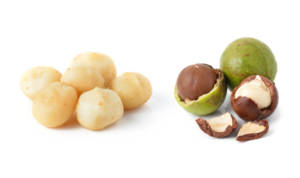
Milkadamia is macadamia nut milk and long story short, it’s yummy! I’m not the biggest fan of milk, but I must say Macadamia Milk is the exception.
The milk of macadamia nuts promotes glowing skin from the inside out. Along with the fatty acids that protect and support overall cell health and hydration, the flavonoids and tocopherols in macadamia nuts act as antioxidants to neutralize skin-damaging free radicals.
Macadamia nuts also have the greatest amount of heart-healthy monounsaturated fatty acids (like oleic acid and palmitoleic acid), per serving. Monounsaturated fat is the “good fat” you’ve heard about, that our bodies actually need and that naturally lowers bad cholesterol levels (LDL) and blood pressure.
I have used this milk every day in my coffee and oatmeal for the last few weeks. The Latte Da flavor changed my love for coffee. I went from 1 cup a day to 3 cups a day. Not sure if that is the best thing but the milk was subtle & added a nice creamy flavor that I can’t resist.
The Unsweetened Vanilla Milk works great with my oatmeal as well. A great substitute for water, that’s for sure! The vanilla is very smooth and not overbearing. The milk does not spoil as
fast as “cow milk”. The best part about the milk is that it is Vegan, Gluten & Dairy Free! I would definitely recommend both of these flavors of Macadamia Milk to be incorporated into your morning routine.
Looking for more milk alternatives? Check out the list below:
Whole Milk
Whole milk is cow’s milk with none of the fat removed. It contains 8 grams of fat per cup, 8.5 percent nonfat milk solids, and 88 percent water. As none of the milk’s natural components are removed, it is high in natural proteins, fat, calcium, and vitamin D.
Like humans, when cows have weakened immune systems (because they’re fed corn and soy that they weren’t meant to eat), they get sick; when they get sick, they take antibiotics, and those antibiotics are then passed on to their milk; that’s the milk we drink. On top of that, dairy is a source of inflammation-inducing saturated fats. Although studies have linked full-fat dairy drinkers with lower weights and lower risks of obesity, studies have also connected these saturated fats to disrupting our gut microbiome, actually decreasing levels of our good gut bacteria.
Lactose-free milk is processed to break down lactose, a natural sugar found in milk products. As with other milks, lactose-free milk is a good source of protein, calcium, vitamins, and minerals. The fat and
cholesterol content of lactose-free milk varies, as it comes in 2 percent, 1 percent, and fat-free varieties.
Almond Milk
Almond milk is naturally low in calories. Almonds are high in vitamin E, manganese, selenium, magnesium, potassium, zinc, iron, fiber, phosphorous and boast the highest levels of calcium out of all the nuts. That’s quite the resumé! While other forms of milk need to be fortified with vitamins (including cow’s milk), almond milk is naturally chock full of nutrients. One reason to choose almond milk over cow’s milk is to improve digestion, especially in those with lactose intolerance.
The downsides are that almond milk is significantly lacking when it comes to the muscle-building macronutrient, protein, averaging a mere gram per serving compared to around 8 for dairy milk.
Soy Milk
Soybeans contain high levels of phytic acid, an antinutrient compound which inhibits your body’s absorption of essential minerals like calcium, magnesium, iron, and zinc and may cause digestive problems. Fortunately, these effects only occur in the meal during which you’re drinking the soy milk, and the phytates won’t disrupt absorption indefinitely. But if you’re drinking soy milk every day,…
… the effects may be more pronounced. You may have heard sprouting grains and beans decreases levels of phytates, but this method doesn’t work with soy. The only way to decrease phytate levels is through a combination of sprouting and fermenting, like in foods such as miso, tempeh, soy sauce, and natto.
Coconut Milk
Coconut milk is loaded with medium-chain triglycerides (a type of easily-digested healthy fat that helps fry flab), potassium, and a host of fortified vitamins (some brands have 50 percent of the day’s B12!), making it a healthy way to add a tropical twist to coffees, teas, oatmeal, cereal and homemade smoothies. (Remember, we’re talking about the variety sold in a carton, not a can, which is extremely calorie-dense and should only be used for cooking.)
But be warned, this isn’t the best milk to gulp by the glass. While the fats in this beverage are the healthy type, they should still be consumed in moderation. Just one cup serves up 20 percent of the day’s saturated fat, so be sure to look for varieties that are unsweetened to keep calories as low as possible and the overall nutritional profile sound.
Rice Milk
Rice milk is a good option if you have dietary allergies. It’s important to note that it’s very rare for someone to have an adverse reaction or allergen to rice, making it a great option if you are sensitive to digestive or food intolerances.
The only downside is that is higher in calories than the other milk alternatives. Plus, because it’s made from rice, it’s naturally higher in carbohydrates and contains less than 1 gram of protein per serving.


By subscribing, you consent to receive emails from BlackDoctor.com. You may unsubscribe at any time. Privacy Policy & Terms of Service.