Lupita Nyong’o, the beautiful actress known for her roles in the Black Panther franchise and recently, A Quiet Place, revealed that she struggles with painful fibroids and is undergoing surgery to have them removed, as she announced a new research grant to fund research on treatment for the condition, all via her Instagram.
Nyong’o, 42, first discovered she had uterine fibroids in 2014, the same year she won the Academy Award for Best Supporting Actress for her debut film, 12 Years of Slave. As she shared in an Instagram post on July 15, she had 30 fibroids and underwent surgery to remove them.
“This Fibroid Awareness Month and beyond, I hope my experience will resonate with anyone else who has ever felt dismissed, confused or alone,” Lupita. “And I hope to seek answers for the far too many women dealing with uterine fibroids (80% of Black women and 70% of white women by age 50!). We deserve better. It’s time to demand it. Silence serves no one!”
Here’s what she detailed in her post about the action she’s currently taking to combat her brutal journey
Here’s where I’m beginning
1. Today, I joined Congresswomen @repshontel, @repyvetteclarke, @repbonnie, @reprobinkelly and Senators @sen_alsobrooks and @senlbr in Washington DC to introduce a package of uterine fibroid Congressional bills. These bills would expand research funding, increase early detection and interventions for uterine fibroids, study the causes of uterine cancer, and increase public awareness.
2. In partnership with the Foundation for Women’s Health, I’m launching the FWH x Lupita Nyong’o Uterine Fibroid Research Grant. @foundationwomenshealth will seek research proposals to develop minimally invasive or non-invasive treatments for uterine fibroids to reduce symptoms and improve quality of life for the 15 million patients suffering from this chronic condition in the U.S. alone. Learn more and get involved at the link in my bio.
Fibroids are noncancerous growths of the uterine muscle. For some people, these growths don’t cause any issues. For others, the symptoms can be severe and require treatment. Unfortunately, these issues disproportionately affect Black people.
Compared with people in other racial groups, people of African descent are more likely to develop uterine fibroids. By age 50, up to 90% of Black people with a uterus have fibroids, which means that among every 10 people you know in this group, nine of them may have fibroids! Furthermore, Black people develop fibroids at younger ages and have larger, faster growing fibroids.
Not surprisingly, because they have more-severe fibroids, Black people have worse symptoms compared with those of white people — severe pain, anemia due to heavy periods, and symptoms that interfere with relationships, physical activity and the ability to go to work.
In fact, symptoms are so severe that Black people have more surgeries and have surgery at younger ages compared with people in other racial groups. Research has shown that compared with white people, Black people are:
Three times more likely to be hospitalized for problems related to fibroids
Seven times more likely to have surgical removal of fibroids (myomectomy)
Two times more likely to have a hysterectomy to remove the uterus and fibroids
Black women are two to three times more likely to develop uterine fibroids than white women.
They often experience fibroids at a younger age and with more severe symptoms.
Fibroids can cause heavy menstrual bleeding, pelvic pain, and reproductive issues.
Surgical interventions like hysterectomy are more common among Black women due to the severity of their symptoms.
Genetics:
There may be genetic predispositions to fibroids that are more prevalent in Black women.
Hormones:
Hormones like estrogen, which can stimulate fibroid growth, may play a role.
Social Determinants of Health:
Factors like socioeconomic status, access to healthcare, and experiences with racism can impact fibroid development and management.
Lifestyle and Environment:
Diet, stress levels, and exposure to certain chemicals (like those in hair relaxers) may also be contributing factors.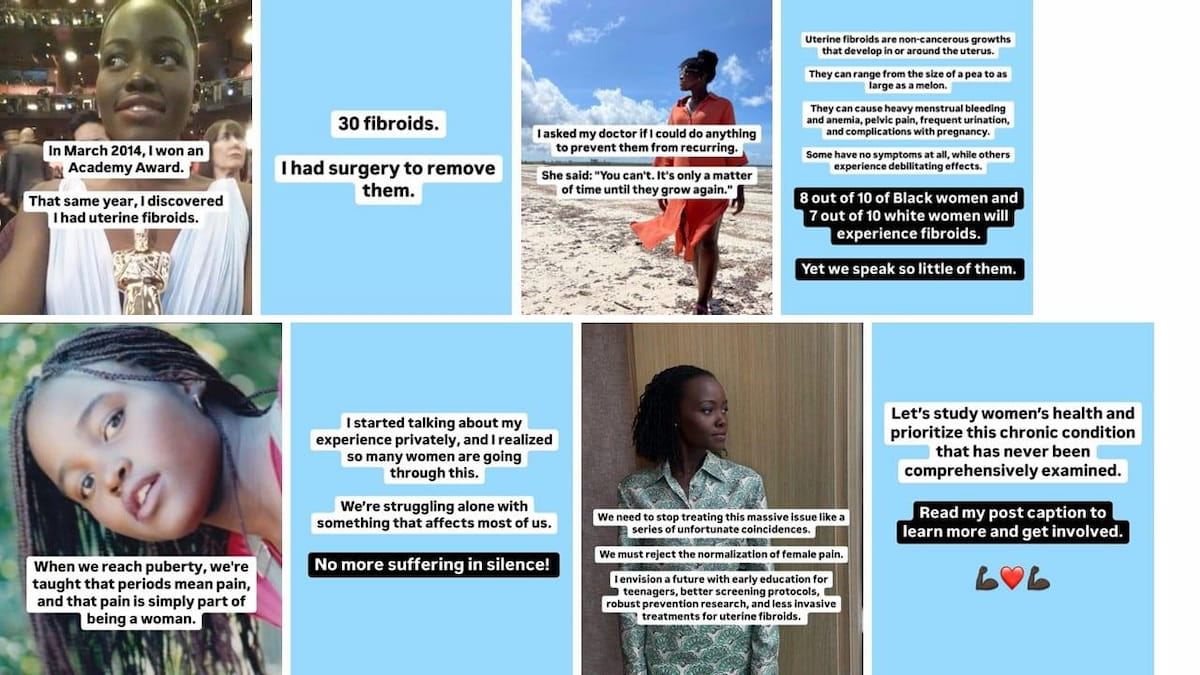
If fibroids are not causing symptoms, they probably do not need treatment. But if you are having symptoms or considering pregnancy, you have many treatment options to discuss with your doctor. These include:
Medications.
These are a low-risk way to control period-related issues such as heavy bleeding. But most medications are hormone-based and therefore cannot be taken if you are trying to get pregnant.
Uterine fibroid embolization.
This is a minimally invasive procedure that blocks blood flow to fibroids, causing the fibroids to shrink and symptoms to improve. However, because of changes in the uterus as a result of this treatment, many studies have shown worse pregnancy outcomes after embolization, so many doctors do not recommend this treatment for women desiring future pregnancy.
Radiofrequency fibroid ablation.
This is the newest technology to shrink fibroids and treat related symptoms. Fibroid ablation is also minimally invasive and can be done through the vagina or through small incisions, depending on the fibroid location. Because radiofrequency fibroid ablation is a new technology, we don’t yet know if it’s safe to get pregnant after having the treatment.
Myomectomy. This procedure removes fibroids surgically and can be done through the vagina or the abdomen — either laparoscopically with small incisions or through a cesarean section-type incision — depending on the fibroid type. Myomectomy is the traditional surgery for people who have symptoms but also want to preserve their ability to have a pregnancy in the future.
Nyong’o joined Congresswomen and Senators on Capitol Hill on July 15 to introduce bills that would fund research on the condition. Current treatments include surgery (either removal of the fibroids via a procedure called a myomectomy, or removal of the entire uterus via hysterectomy), freezing, using an electric current on the fibroids, and medication, John Hopkins explains.
“No more suffering in silence!” she wrote. “We need to stop treating this massive issue like a series of unfortunate coincidences. We must reject the normalization of female pain. I envision a future with early education for teenagers, better screening protocols, robust prevention research, and less invasive treatments for uterine fibroids.”


By subscribing, you consent to receive emails from BlackDoctor.com. You may unsubscribe at any time. Privacy Policy & Terms of Service.