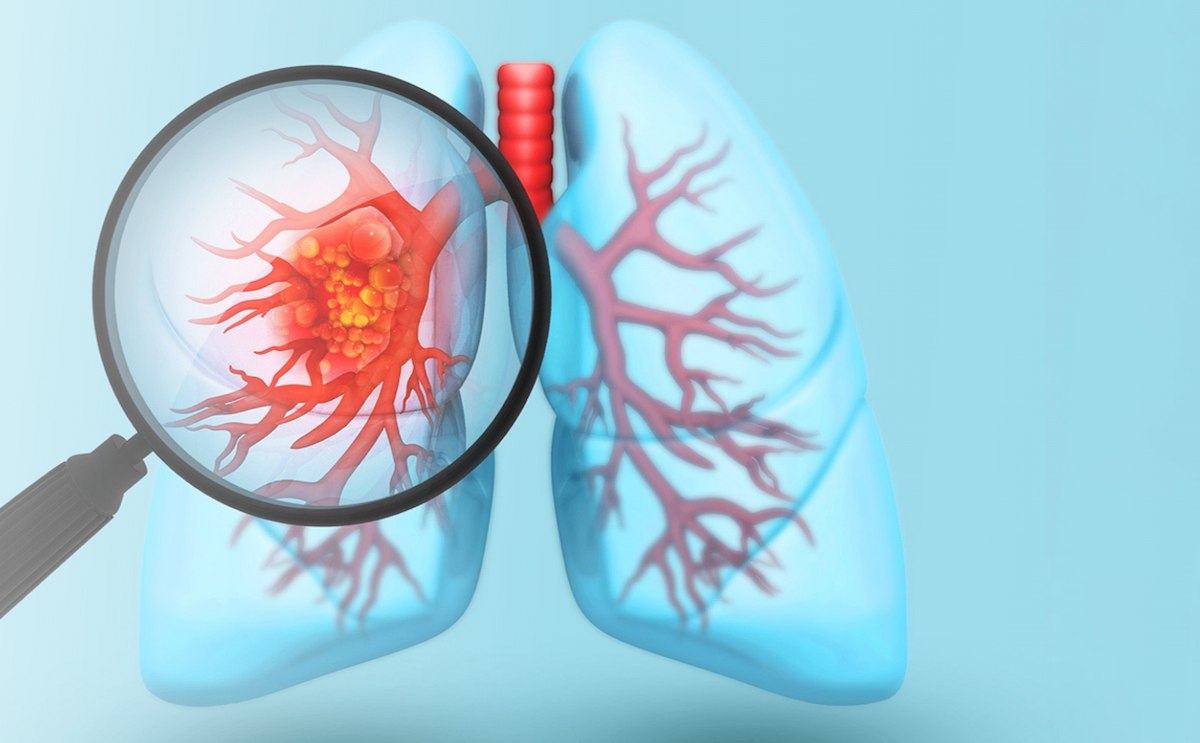
There is this pride that comes with being a never-smoker. You are so proud of your tobacco abstinence that you are momentarily tempted to include it in your CV.
Why not? You feel you are so full of life. You think lungs are remarkably healthy with almost zero chances of developing lung cancer. But what if I told you you were wrong all this time?
Massive apologies for bursting your bubble. But the fact that you have never lighted (and smoked) a cigarette doesn’t entirely eliminate your chances of developing lung cancer.
Indeed, smoking holds its notorious rank as the dominant risk of lung cancer, but recent statistics show interesting (sorry, alarming) increases in the number of non-smokers developing lung cancer.
2017 was quite shattering for never smokers. A groundbreaking study published in the Journal of the National Cancer Institute revealed that never-smokers accounted for at least 10 percent of lung cancer cases.
The study went further to point at hikes in the occurrence of non-small-cell lung cancer (NSCLC) in people who have never smoked once in their lives.
Notably, between 2011 and 2013, the percentage of incidence of NSCLC in never smokers jumped heartily by 14 percent. For concept, the leap in this percentage between 1990 and 1995 was a modest eight percent.
The American Cancer Society did little to alleviate the shock of this study, revealing that 1 in 5 people who die from lung cancer annually have never consumed tobacco in any form.
The truth is, women who have never smoked are even more at risk than
their male counterparts (never-smokers). For every male never-smoker who is at risk of developing lung cancer, there are two female never-smokers.
According to findings from Lung Cancer Management, an estimated 50 percent of women who have lung cancer have never used tobacco.
Several factors contribute to the increasing propensity of never-smokers to lung cancer. I will tell you some.
Indeed, tobacco consumption is on the decline. Compared to 2005, when about 21 percent of Americans (of minimum 18 years) smoked, 15.5 percent smoked in 2016.
Even with the decline, the number of tobacco users in the United States is still sizable – if not worrisome. According to the CDC, an estimated 38 million American adults still smoke cigarettes daily.
Eventually, this leads to the increased chances of interacting with secondhand smoke for never-smokers. Such secondhand smoke is still dangerous for the lungs. It is revealing that more than 7000 people die every year in the United States from lung cancer caused by secondhand smoke.
Even if you have never smoked once, if you have a loved one or relative with lung cancer, you are at a sizable risk of developing lung cancer later on in your life.
It is a given that never-smokers with a family history of lung cancer will develop cancer before 50, especially if they have
a first-degree relative who had lung cancer.
Genetic mutations can also explain the heightening vulnerability of never-smokers to lung cancer. Non-smokers specifically with “driver mutations” are more prone to experiencing lung cancer later down their lives.
This is given the notoriety at which such driver mutation triggers cancerous growth on lung cells that were previously healthy and bursting with life. Defects in ROS1, ALK, and EFGR mutations can raise a never-smoker’s risk of lung cancer.
Naturally occurring, radon is one radioactively gas actively behind the occurrence of lung cancer in Americans. According to Yale Medicine researchers, about 15,000-22,000 people die from lung cancer caused by exposure to radon gas.
Undoubtedly, this makes radon exposure the prevalent cause of lung cancer in non-smokers and the second most common cause of lung cancer.
Radon gas can penetrate your home from the ground. Contemporary home construction procedures are not helping matters. Projections from the Environmental Protection Agency (EPA) reveal that over six percent of American homes contain unhealthy radon levels.
On the positive side, it is plausible that the recent hikes in the incidence of lung cancer in never-smokers could have arisen from more never-smokers getting screened.
Lung screenings are no longer the exotic luxuries they once were. What is more, there has been outstanding technological advancement in lung screening, making the procedure not only commonplace but also more accurate.
While you may not be able to control your genetic mutation or family history, it may at least be possible to control the volume of pollution you are exposed to.
Secondhand smoke is dangerous, and you shouldn’t be too “polite” and breathe it all in. When someone smokes around you, politely ask them not to if you can’t exit the surrounding. Also, ensure the best construction practices when building your home to avoid the level of radon gas permeation.
Other than this, early diagnosis is your most potent weapon for defeating lung cancer. When lung cancer symptoms – like persistent coughing, unexplained weight loss and fatigue, blood coughing, and shortness of breath – come up, don’t “optimistically” write them off.
Hurry to get checked. You are not negative. Instead, you are proactive. This may be just what saves your life!


By subscribing, you consent to receive emails from BlackDoctor.com. You may unsubscribe at any time. Privacy Policy & Terms of Service.