This content was developed in partnership with the Parkinson’s Foundation.
Receiving a Parkinson’s disease (PD) diagnosis can feel overwhelming. As you begin to process your feelings, which can be wide-ranging, it’s important to know you are not alone. Regardless of when you are diagnosed or where you are in the PD journey, you should feel empowered to take control of your care. Your diagnosis can be the first step to living your best life with Parkinson’s. Take time to understand how PD can impact you physically and how it can impact your mood and emotions.
Here are steps you can take today to begin living well with PD:
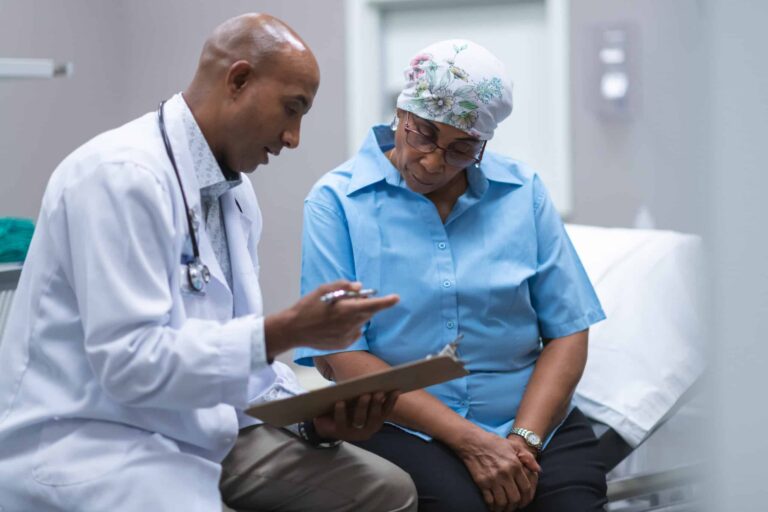
Parkinson’s is a progressive, neurological disorder that occurs when cells in the brain that make dopamine start to die. Finding a doctor and working with professionals who specialize in PD can help you better manage your PD, reduce complications, and enjoy a better quality of life. Due to many factors, people with PD in the Black community are less likely to see neurologists and other specialists. Begin by finding a doctor who is an expert in PD (and if possible, a movement disorder specialist (a neurologist who specializes in Parkinson’s). Come prepared with questions that are important to you, and from there, work together to build your expert care team.
For people with Parkinson’s, exercise is medicine! Regular physical activity can help manage many PD symptoms. A Parkinson’s Foundation study found that people with PD who start exercising earlier and a minimum of 2.5 hours a week, experience a slowed decline in quality of life compared to those who start later. When choosing an exercise, make sure to take your current abilities into consideration. Some options include dancing, yoga, and non-contact boxing. There is no single exercise that is right for every person with Parkinson’s, and it is never too late to get started. Talk to your doctor before you begin and before changing the intensity of your exercise program.
Parkinson’s symptoms change over time. Taking steps to manage symptoms as they arise will make it easier to maintain a good quality of life. Research suggests that Black and African Americans with PD are more likely to interpret their symptoms as normal signs of aging and therefore, under-report symptoms to their healthcare providers. It is important to increase your awareness of movement and non-movement PD symptoms, and monitor how your body responds to certain activities, stresses, medications and therapies. You may want to try keeping a daily journal, so that you can discuss your symptoms and how you respond to treatments and medications with your doctor.
There is no standard treatment for Parkinson’s. Treatment plans should be tailored to respond to a person’s symptoms, priorities and personal circumstances. Taking medication is common for people with PD, but treatment can also involve exercise, rehabilitation therapies and surgical procedures. Exercise can improve many PD symptoms and is a vital component to maintaining balance, mobility and activities of daily living. Physical and occupational therapists can also help manage PD symptoms. Building your expert care team and working together to find the treatment plan that works for you can lead to a better quality, longer life.
This step may be the hardest for some. It is normal to feel hesitant, but timing and preparation can help. Giving those closest to you accurate information about your Parkinson’s diagnosis and how you are handling it is essential because it will help them prepare. Remember that you are not alone on your PD journey. When planning the conversation, make note of what you would like to communicate and what kind of support you think you’ll need from your loved ones. Actively thinking about what information you want to share will help you anticipate potential questions and give you more control.
As you begin to build your life after a Parkinson’s diagnosis, setting clear personal goals and then acting on them can help you live well. Empower yourself by thinking about what is most meaningful to you and then work those activities into your routine. This may mean deciding to talk to your employer about your diagnosis, finding an exercise routine that works for you, or spending more time with family. Don’t try to do everything at once. Focus your energy where it best serves you.
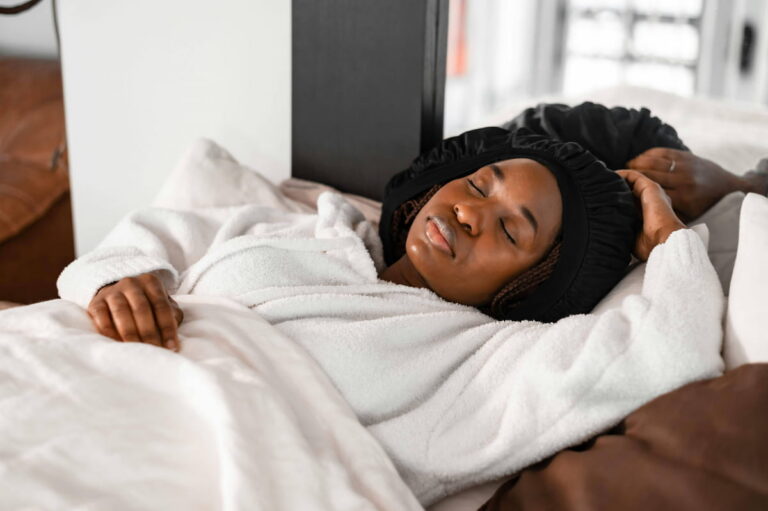
A healthy diet and ample self-care are key to living well with Parkinson’s. The right foods can improve your energy, keep your bones strong, fight constipation, and help maintain your health. There is no exact diet for PD, but good nutrition goes a long way. Restful sleep is also essential for people with PD. Getting enough sleep is key to managing mood, health and PD symptoms. Create a sleep strategy that includes a regular sleep schedule and bedtime routine to ensure adequate rest.
Connection is vital to living well with Parkinson’s. It is important to talk to someone. Caring for your emotional health is as important as addressing your physical symptoms. A PD diagnosis can bring on a flood of emotions, including anger, grief, and denial. Successfully navigating those feelings requires support. Joining a prayer group or support group can prevent feelings of isolation and can connect you to other helpful resources. Staying connected can relieve stress and lead to new friendships.
Adjusting to a diagnosis of Parkinson’s can be challenging but many symptoms can be treated, and researchers are making advances in understanding the disease, its causes, and how best to treat it. You can take steps today to start living well with PD.
This content was developed in partnership with the Parkinson’s Foundation. To learn more about Parkinson’s disease and find resources to help you live better with Parkinson’s, visit Parkinson.org or call the Parkinson’s Foundation Helpline at 1-800-4PD-INFO (1-800-473-4636).



By subscribing, you consent to receive emails from BlackDoctor.com. You may unsubscribe at any time. Privacy Policy & Terms of Service.