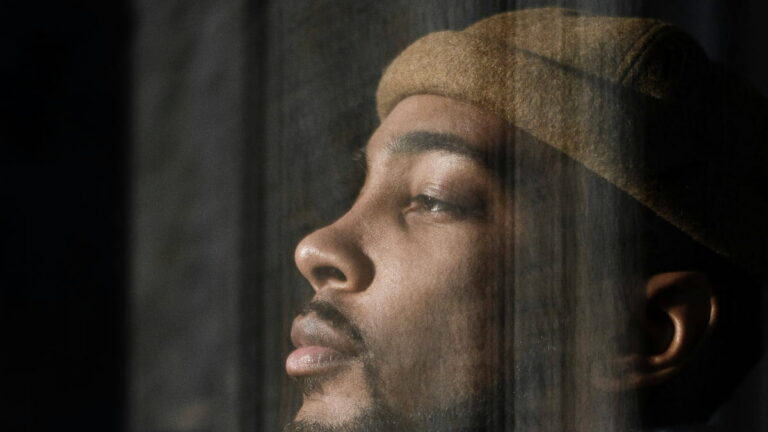
Recently, Jimmy Kimmel from ‘Jimmy Kimmel Live’ gave a very emotional speech about his son Billy. He explained that at about three hours of life Billy’s nurse noticed that something was very wrong. After further investigation Jimmy was informed that his son had a heart defect.
If you have seen this video and some day desire to be a parent or if you are currently an expectant parent then this may have caused you some anxiety. You might be wondering how often something like this happens and could it happen to you.
What Is Congenital Heart Disease (CHD)
Congenital heart disease (CHD) is a heart defect an infant is born with. The heart is fully formed by 8 weeks of gestation and most abnormalities will have occurred by then. In most infants no specific cause can be found. However, CHD can be associated with many different factors including prior family history of CHD, genetic syndromes, maternal history of diabetes or smoking, and certain medications taken during pregnancy. CHD is one of the most common disorders with which infants are born.
Types of CHD
According to the CDC it affects 1% of babies, (40,000) born each year in the United States. Among the different types of CHD there are two main categories: cyanotic, where the infant will appear blue due to lack of oxygen and acyanotic heart defects. Jimmy Kimmel learned that his son had Tetralogy of Fallot, which is the most common cyanotic heart lesion in the neonatal period.
Diagnosing CHD
Many heart defects will be detected on ultrasound during pregnancy or after birth on physical exam. However some babies are not diagnosed early and do not show any signs at birth. It can also be harder to identify the bluish discoloration in babies with darkly pigmented skin.
Some children are not diagnosed until a few days or weeks after birth and even much later in life. Late detection can lead to complications, even death, since some types of CHD require immediate surgery or cardiac catheterization. This is known as critical congenital heart disease (CCHD). Infants with this critical defect comprise approximately 25% of all CHD. Unfortunately 30% of these infants appear normal at birth and are therefore identified late. Consequently, the American Academy of Pediatrics recommends universal screening for CCHD in all newborns.
The CCHD screen involves using a pulse oximeter to measure the amount of oxygen in the blood. Trained personnel perform this test at least 24 hours after birth prior to discharge home. Studies have shown that using the screen leads to earlier detection of CCHD and can also identify infants with other serious problems that may have otherwise gone undetected. However the CCHD screen is not perfect.
Some infants will be missed. Additionally, there could be false positives leading to unnecessary work up. Nevertheless the ease of use and minimal cost to perform this test is well worthwhile considering it can lead to earlier treatment and greater survival.

Dr. Launice is a Board certified Pediatrician trained in the specialty of Neonatology whose passion is caring for sick babies and helping Moms transition to life in the NICU with a preemie. She is an author, speaker and social media expert. Learn more about Dr. Launice by following her on Facebook, Instagram and Twitter @DrLauniceMD.


By subscribing, you consent to receive emails from BlackDoctor.com. You may unsubscribe at any time. Privacy Policy & Terms of Service.