Blood sugar fluctuations in people with type 2 diabetes are more than just inconveniences. In some cases, they can be seriously life-threatening. And even if they aren’t significantly severe, they can contribute to plenty of problems in everyday living.
But imagine this. You’re finally able to reclaim control. You don’t have to worry about the side effects of increasing doses of prescription drugs. Sounds too good to be true? Turns out, it’s not only possible, but it’s happening for millions of people with type 2 diabetes across the world.
This isn’t hype. It’s grounded in very real and measurable mechanisms in your body.
Ready to unlock the best practical, evidence-based plan that could change everything in just several months?
Wait no more…
RELATED: These 6 Herbs Are GAME-CHANGERS For Lowering Blood Sugar
Never heard of berberine?
You’re not alone. Berberine is a natural plant-derived compound that has become highly popular for managing a variety of conditions. Everything from blood sugar to cholesterol and weight, earning it the nickname, ‘nature’s Ozempic.’ For diabetics, people struggling with insulin resistance, and even women with ovarian syndromes, this compound can be a game-changer.
But here’s what you need to know. Although generally safe, berberine does trigger issues in susceptible people or when the dose is too high. These issues commonly show up as diarrhea, constipation, gas, nausea, and stomach cramping. Berberine can also interact with medications that treat diabetes and high blood pressure, so always consult your doctor before beginning.
Now that we got that out of the way..
Let’s talk about why berberine is so hot right now, especially among people with type 2 diabetes. Again and again, research reveals that berberine and the common diabetes drug Metformin both effectively manage blood sugar and improve insulin sensitivity. Actually, they both target the same pathways, and studies show that they have comparable impacts on HbA1c.
Given its strong, bitter taste, berberine is typically taken in capsule or tablet form. Here’s the thing, though. Standard berberine has low bioavailability, with less than one percent of it actually absorbed by your body. This is why many studies use 1,000–1,500 mg daily to achieve meaningful effects.
And then we have dihydroberberine (DHB), a reduced form that’s up to five times more bioavailable than standard berberine. Study trials show that DHB reaches effective levels more quickly and may require lower doses (i.e., 100–300 mg, 2–3x daily) for even better results and fewer side effects.
But you have to work your way up to it.
To start, go with standard berberine. Opt for 500 mg three times per day, and take them with meals to reduce stomach upset. Once you’ve established tolerance, switch to dihydroberberine at 100–200 mg, two to three times per day.
Continue this for three months for peak A1C benefits. Many users report 0.5–1%+ drops, which is similar to metformin in head-to-head data. As always, ensure you’re getting the best product possible. Spending extra is definitely worth it in this case, and can make a big difference.
What you want to look for are third-party tested products (USP/NSF) to avoid contaminants. Use it gradually, monitor it with your doctor, and discuss whether to pair it with metformin, as berberine can enhance metformin’s effects when paired.
RELATED: How to Prevent Insulin Resistance and Keep Blood Sugar Levels Steady

Remember, properly controlling your type 2 diabetes is about more than what you put in your mouth. It’s about what you do with your body as well. One way to do both of these complementarily is by first restricting your eating window. Try to keep all your food intake within a 10-hour window, such as 9 a.m.–7 p.m. This aligns with circadian rhythms, which improve insulin sensitivity and reduce overnight glucose spikes.
By simply doing this, some people have enjoyed reductions in A1C by 0.5–1% after eight to 12 weeks.
Find the sustainable eating window right for you. And to break your fast, eat a protein- and fiber-rich meal to blunt sugar spikes. After you eat, add a 10–15 minute brisk walk. Even light activity like this can drop post-meal glucose by 20–30 mg/dL through muscle uptake.
When paired with berberine, you’ll supercharge the results!
Walking is great, but resistance training may be even better. Think of muscles as your glucose disposal engine. The more muscle you have, the better your insulin sensitivity, generally speaking. If you resistance train two to three times per week, you can dramatically improve your glycemic control.
Specifically, try to get in three sets of eight to 12 reps, two to three times per week. Exercises like squats or goblet squats with your bodyweight or dumbbells are very impactful. They work by targeting large leg muscles for massive glucose uptake.
Deadlifts or Romanian deadlifts are also useful and are great for overall metabolism. Then, of course, there are tried-and-true push-ups or chest presses, which mainly increase your upper body strength. And if you’re looking for even more exercises, try rows or pull-ups, which strengthen your back and improve your posture. Finally, for your core, definitely consider planks or farmer carries.
Don’t force yourself too fast, too soon. Start easy, using your bodyweight or light weights. From there, progress naturally, and love the results as they come. You may be surprised by the compounded benefits when performed alongside berberine supplementation and time-restricted eating.
Say that three times fast!
If you haven’t heard of Akkermansia muciniphila, don’t worry, most people haven’t. But believe it or not, this next-generation probiotic is quickly gaining attention for its numerous benefits. It’s absolutely vital for healthy gut bacteria, making it ideal for strengthening your intestinal barrier, lowering inflammation, and boosting overall metabolic health.
Interestingly, low levels of this bacterium are closely linked to type 2 diabetes and obesity, whereas higher levels correlate with better insulin sensitivity and lower A1C.
But here’s the really cool part. Berberine can actually boost Akkermansia by stimulating mucin production and reshaping your microbiome, especially in your gut. Taking in more fiber will also feed your Akkermansia.
How do you do it?
As a general strategy, aim for 30–40g of fiber daily. Prebiotic-rich foods like onions, garlic, leeks, asparagus, oats, beans, and apples are perfect for this. Also, don’t forget crucial starches like cooled potatoes/rice and green bananas. You also want to take in more polyphenol, which is a crucial micronutrient found in berries, green tea, and yes, even dark chocolate – and works well with berberine.
By giving your gut what it needs, you can greatly boost berberine’s effects, allowing for sustained blood sugar control, not just temporary.
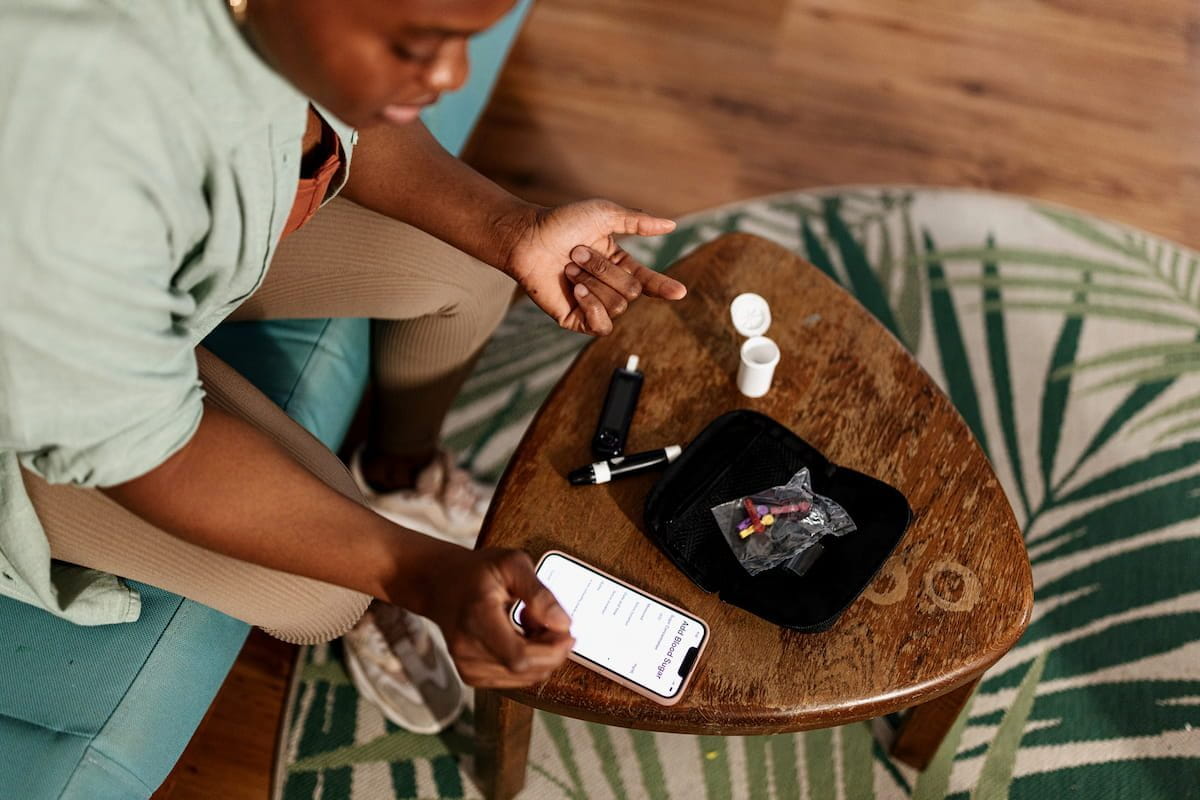
And, while you’re feeding your body and optimizing your diabetes management, don’t forget one last piece of the puzzle. That would be continuous glucose monitoring. After all, nothing motivates more than seeing your data improve with time. Thanks to continuous glucose monitors (CGMs), such as Freestyle Libre and Dexcom, you can get 24/7 readings.
These will tell you which foods are doing what, how well berberine is working, if stress is taking effect, and how time-restricted eating and exercise are impacting your A1C.
So what are you waiting for? If you apply this natural ‘stack’ – with berberine at the core – you’re well on your way to not only managing, but potentially mastering your diabetes. Grounded in very real science and supported by numerous anecdotes from people with diabetes, these approaches definitely work.
Stay the course, keep in contact with your doctor, and see for yourself!


By subscribing, you consent to receive emails from BlackDoctor.com. You may unsubscribe at any time. Privacy Policy & Terms of Service.