(Photo Credit: AP)
August 29, 2005. That’s the day that changed everything in New Orleans and the gulf region. It’s been 16 years since Hurricane Katrina, the hurricane that broke all the records:
…and the list goes on and on.
Ida is leaving nearly 1 Million people in New Orleans without power.
Here’s how to help those affected by Hurricane Ida. or click here.
Seeing your house, your block, your neighborhood and even nearly your whole city go under water would have to have some sort of effect on you right? Well, come to find out, it has more of an effect on you than we realize.
While the city has moved on and some neighborhoods have been rebuilt, the effects of the storm are still there, mentally.

In a study published by the journal, Nature, they named Hurricane Katrina, “a natural disaster, but a human catastrophe.” Depression and post-traumatic stress disorder (PTSD) has increased among Gulf Coast residents from 15% to 21%, reflecting the chaos that survivors coped with after loss and trying to meet necessary needs like food, water, housing, and health care.

In a separate study following 392 low-income parents, almost half of them were suffering from PTSD a year after the hurricane. The rate of parents suffering from psychosis, depression, and other serious mental conditions doubled from 7% to 14%.
Now, with those who fled New Orleans to Houston, only to have to leave Houston for 2017’s Hurricane Harvey, it’s taking another toll on them.

Hyper vigilance, excessive fear or anxiety, denial, bursts of rage and even self-isolation can all be symptoms of PTSD. “If you’re feeling it, that’s OK. It’s normal,” says specialist Peggy Stetson.
“The more people are disadvantaged and where the storm is, the more likely it becomes the straw that breaks the camel’s back,” said psychiatrist Allen Frances, a former Duke University professor. . “The more people who had PTSD in past, the more likely they are to have a problem.”
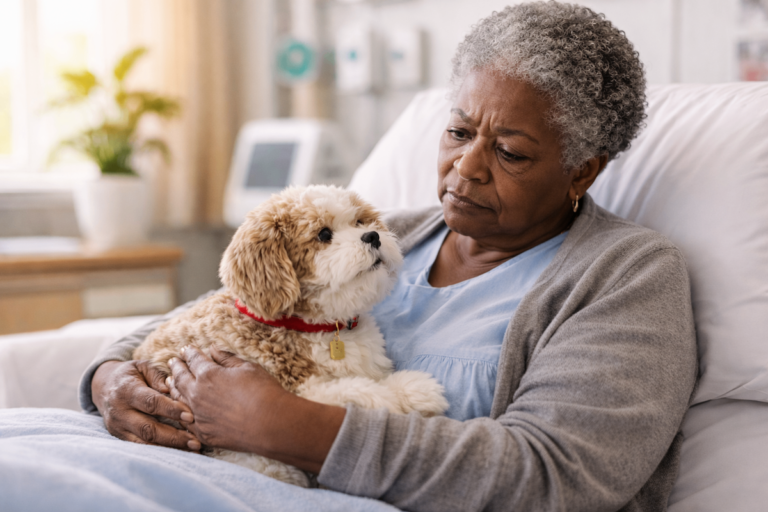
“Most people are resilient and symptoms will tend to go down over time, but certain demographic groups tend to be more vulnerable,” said developmental psychologist Katie Cherry, who edited the book Traumatic Stress and Long-term Recovery: Coping with Disasters and other Negative Life Events. “Women do more poorly than men after disaster. So do those with lower education and lower income and the elderly.”
But you don’t have to have experienced a national disaster to take them hard.
“Tragic national disasters affect empathic people very deeply,” said psychiatrist Judith Orloff, author of The Empath’s Survival Guide. “It isn’t only the people who go through them.”
Orloff said it can be a “huge trauma for one to have to leave their home because our home is the ultimate security.” Especially empathic people can experience similar traumatic symptoms just watching the news because they can “identify with fears of ‘what if I lost my home?'”
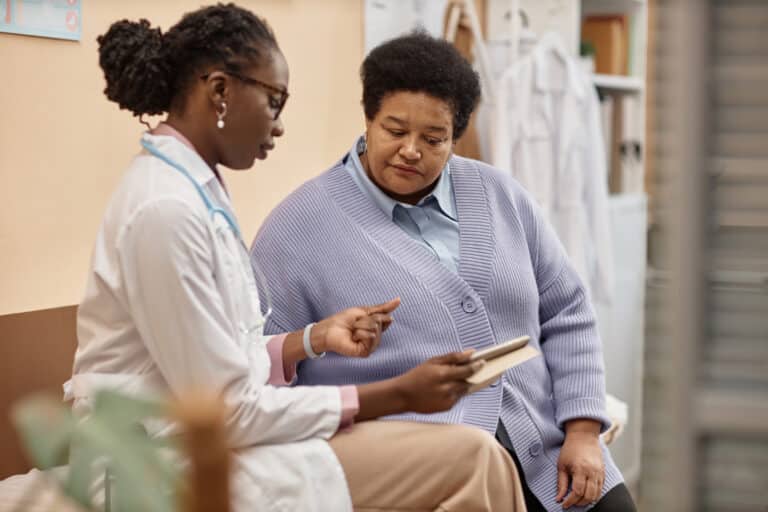
Those affected by PTSD, after finding suitable shelter, should seek help from a trusted family member, a clergy person, a counselor, or a helpline such as 211 or free text service such as 741-741.


By subscribing, you consent to receive emails from BlackDoctor.com. You may unsubscribe at any time. Privacy Policy & Terms of Service.