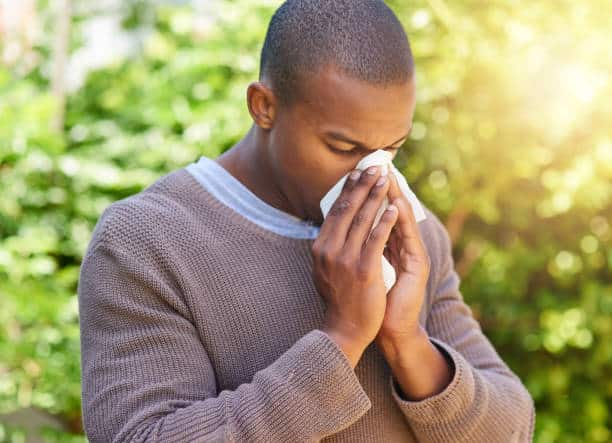
Some 35 million Americans suffer from sneezing, sniffling, stuffiness and itchy eyes due to spring allergies, according to experts from the American College of Allergy, Asthma and Immunology (ACAAI).
Why?
“People with spring allergies often don’t realize how many things can aggravate their allergy symptoms, so they just muddle along and hope for an early end to the season,” says Dr. Myron Zitt, former ACAAI president, in a college news release. “But there’s no reason to suffer. A few simple adjustments in habits and treatment can make springtime much more enjoyable.”
RELATED: Allergy Season Is Near: Be Prepared
Here are 3 ways to avoid spring allergies.
Protect Your Surroundings
Allergists recommend allergy-sufferers keep their house and car windows closed so pollen can’t drift in from outdoors.
They also recommend making sure to use the right air filter. Inexpensive central-furnace or air-conditioning filters and ionic electrostatic room cleaners aren’t helpful, the allergists say. Ionic electrostatic air filters release ions that can irritate allergies.
And whole-house filtration systems can only be effective if the filters are changed regularly.
Additionally, you can limit your exposure to allergy triggers through the following, according to the Mayo Clinic:
RELATED: 5 Allergy Relieving Foods
The experts also note that some people with seasonal allergies may also suffer from allergies to
closely related fruits, vegetables and nuts. This particularly relates to seasonal allergies due to grass or birch trees.
About one in five people with grass allergies and as many as 70 percent of people with birch allergies have these cross-reactions, known as pollen food allergy syndrome.
RELATED: How To Allergy-Proof Your Home
People with allergies to birch or alder trees may experience tingling, itching and swelling around the mouth when they eat celery, cherries or apples.
People with grass allergies sometimes find tomatoes, potatoes or peaches problematic.
Although often not serious, reactions to these foods can be life-threatening in a small percentage of people. A life-threatening allergic reaction is called anaphylactic shock. High-risk people should carry a portable epinephrine pen.
RELATED: Worst Cities For Spring Allergies 2022: Is Yours On The List?
If you have been exposed to allergens, the following tips can help reduce your symptoms, according to Foothill Regional Medical Center:
RELATED: 8 Seasonal Allergy Relief Tips
Allergists also encourage people to take their medicine even before their symptoms flare. It’s also important to see an allergist who can suggest the best course of treatment.

By subscribing, you consent to receive emails from BlackDoctor.com. You may unsubscribe at any time. Privacy Policy & Terms of Service.