Lupus is two to three times more common and its symptoms tend to be more severe among Blacks/African Americans, Hispanics/Latinos, Native Americans and Asians than Caucasians.
Complications can be severe, leading to organ damage and even death. Among young Black and Hispanic women ages 15-34, lupus is the 5th and 6th leading cause of death just behind cancer, heart disease and HIV. Lupus nephritis (kidney inflammation) is among the most common and serious complications.
Here are 11 ways lupus can affect your body, according to the Lupus Research Alliance:
If lupus attacks the skin, as it does in systemic lupus erythematosus (SLE), it can cause rashes, blisters and color changes.
What you can do: As a lupus patient, it is even more important to protect your skin from the sun. Use a sunscreen with a sun protection factor (SPF) of 50 or higher, and avoid the sun in the middle of the day. If you must be in the sun, it is also wise to wear wide-brimmed hats and protective clothing in the sun. During the colder months, you should keep your hands warm to avoid Raynaud’s.
Lupus can cause inflammation or swelling of the joint lining, most often in the hands and wrists. People with lupus can also experience pain in the joints without swelling or tenderness.
What you can do: Looking to go the natural route? Try a warm shower or bath, a heating pad, or cold packs to ease pain and stiffness. When exercising, you should avoid high-intensity exercises if you have joint pain. Walking and yoga are both safe exercises to try. If these don’t provide you relief, anti-inflammatory drugs like ibuprofen or naproxen may help.
RELATED: What You Need to Know About Lupus
Partial or complete loss of the hair is called alopecia. It can be hereditary, stress-induced, or caused by autoimmune conditions such as lupus.
What you can do: To avoid hair loss, you should be gentle on your hair. It may also help to use a baby shampoo and conditioner and avoid harsh chemicals on your hair.
The severe fatigue of lupus seems to be caused by many factors including disease activity, anxiety disorders, sleep disturbances, vitamin D deficiency, and low levels of exercise.
Let our Genentech Trial Nurse answer any of your trial and eligibility questions.
Call: (888) 662-6728 (Mon-Fri, 5am-5pm PT)
Chat or Email, click here
Inflammation of the kidneys (nephritis) can impair their ability to get rid of waste products and other toxins from the body effectively.
What you can do: Experiencing kidney problems? Schedule an appointment with your doctor. He or she can do blood tests to make sure your kidneys are working well.
In some people with lupus, inflammation can occur in the heart itself (myocarditis and endocarditis) or the membrane that surrounds it (pericarditis) causing chest pain or other symptoms.
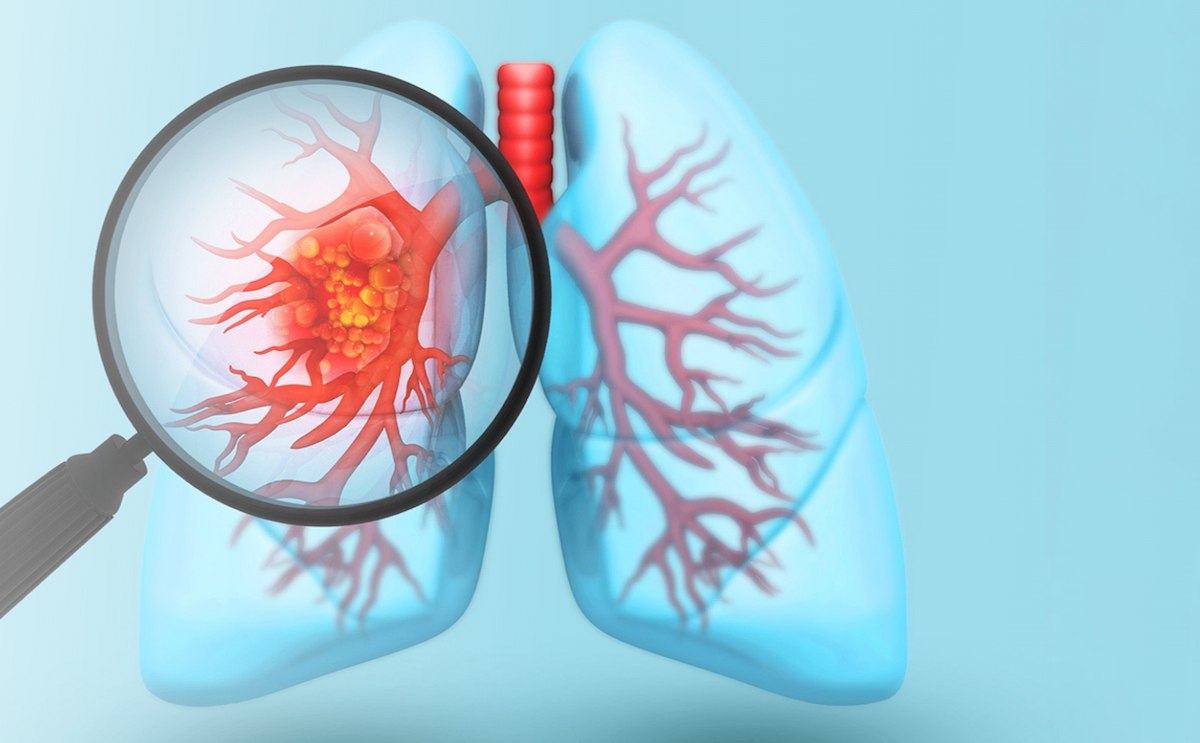
Some people with lupus develop pleuritis, an inflammation of the lining of the chest cavity that causes chest pain particularly with breathing. Patients with lupus may also get pneumonia.
In some patients, lupus affects the brain or central nervous system. This can cause headaches, dizziness, depression, memory disturbances, vision problems, seizures, stroke, or changes in behavior.
What you can do: Try to ease your stress as much as possible. Consider cognitive therapy, which may help manage thinking issues, or counseling if you are anxious or depressed. Lupus medicine may help memory and thinking.
RELATED: I Have Lupus, What Are My Treatment Options?
Some lupus patients may develop sores in the inner cheek and lower mouth as well as dryness that can lead to gum disease. Additionally, patients may develop Sjogren’s, which causes your mouth to feel extremely dry and affects your ability to swallow.
If your body isn’t moving waste at a normal pace, you may experience digestive problems. Additionally, the medications you are taking for lupus can cause digestive problems. In this case, it is best to consult with your doctor to discuss changing your medication.
The most common eye problem people with lupus experience is dryness or a gritty feeling. Although rare, blood vessel changes in the retina can weaken your vision. Lupus can also damage nerves in the muscles that control your eye movements.
What you can do: Artificial teardrops are helpful for people suffering from dry eyes.
Although lupus has the ability to cause symptoms throughout your body, it doesn’t mean you’re going to experience all of these.
Lupus affects everyone differently, so your individual symptoms and their severity will depend on the type of lupus you have and other factors. This includes your genetics and how long you’ve had the disease. The best way to avoid severe symptoms is to avoid smoking, get regular exercise and eat healthy. If your lupus is well-controlled, you may have very mild symptoms.


By subscribing, you consent to receive emails from BlackDoctor.com. You may unsubscribe at any time. Privacy Policy & Terms of Service.